15 Reasons Why Do Braids Itch and How to Fix It
If you’ve been wondering why do braids itch, you’re not alone. From tight installations and dry scalp to product buildup and extension irritation, several everyday factors can make braided hairstyles feel uncomfortable. The good news is that understanding the cause can help you find a better solution without giving up the braided looks you love.
In my experience, comfortable braids start with more than choosing a beautiful style. Proper installation, gentle scalp care, suitable products, and regular maintenance all make a difference. Whether you love knotless braids, cornrows, box braids, or longer statement styles, knowing what your scalp needs can completely change your experience. Explore these common reasons and practical fixes to enjoy healthier-feeling roots, more comfortable styling, and beautiful braids worth saving on Pinterest.
Tight Braids and Scalp Tension
- Excessive tension around the roots can make the scalp feel sore, itchy, or uncomfortable.
- Tight braiding often creates small bumps along the hairline.
- Loosening the style can reduce unnecessary pulling.
- Ask your stylist to use gentle tension, especially around sensitive edges.
- Avoid tight ponytails that add pressure to freshly braided hair.
- A relaxed installation usually feels more comfortable during everyday activities.
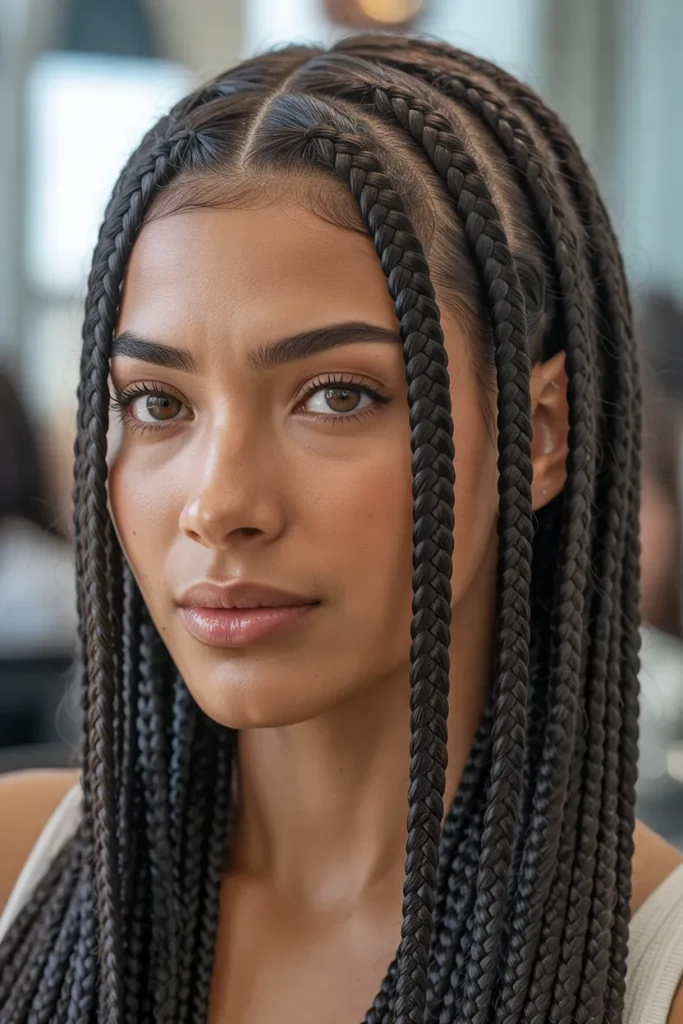
Tight braids can look beautifully polished, but an uncomfortable scalp is never part of the finished look. When braids pull too firmly at the roots, the constant tension can irritate the scalp and make you want to scratch. This discomfort often appears around the temples, hairline, or crown. If you are wondering why do braids itch shortly after installation, excessive tension may be responsible. A comfortable braided style should allow natural movement without pulling painfully. Tell your stylist immediately if installation feels uncomfortable instead of waiting several days for the tightness to disappear.
The best solution is to reduce pressure rather than trying to tolerate it. If your braids feel painfully tight, ask your stylist whether they can safely loosen or redo the affected sections. Avoid heavy accessories, tight buns, and high ponytails until your scalp feels comfortable. For your next appointment, explain which areas usually become sensitive and request lighter tension around your edges. A professional braider can adjust section size and installation technique to improve comfort. If pain, swelling, sores, or persistent irritation develops, remove the irritating style and seek medical advice rather than continuing to wear it.
Product Buildup at Roots
- Styling creams and gels can accumulate between braid sections.
- Excess product may leave the scalp feeling coated or uncomfortable.
- Lightweight formulas are easier to manage between washes.
- Apply scalp products sparingly instead of layering multiple treatments.
- Use a gentle cleansing shampoo to remove residue.
- Rinse thoroughly because leftover cleanser can also cause irritation.
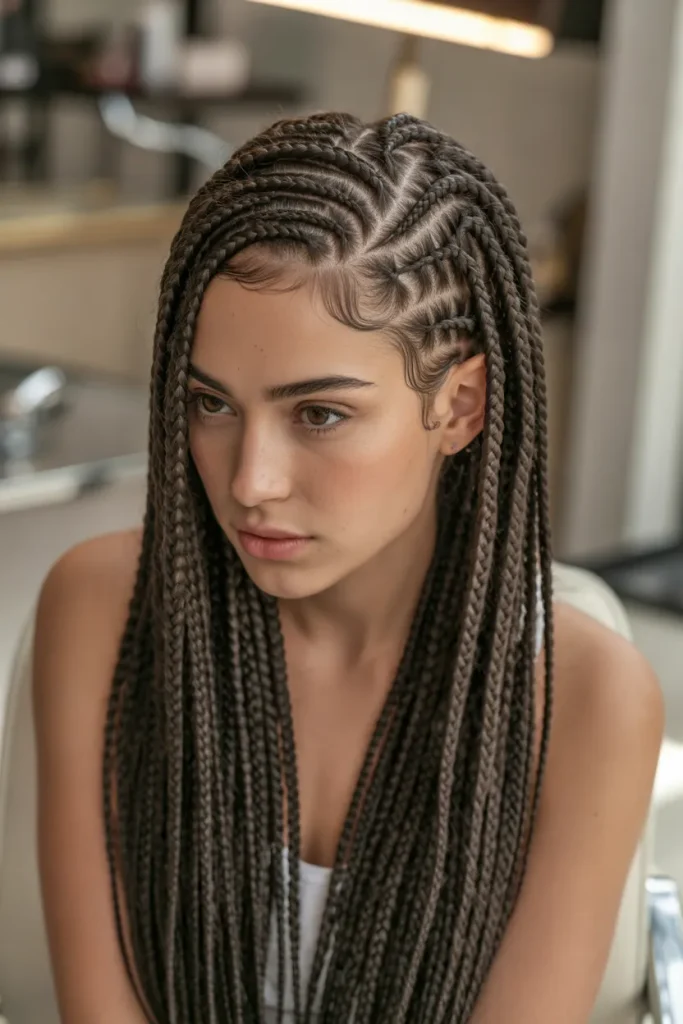
A fresh braided style can lose its comfortable feeling when styling products collect around the roots. Thick gels, edge controls, oils, and leave-in creams may create a sticky layer that attracts dust and dead skin cells. This buildup can leave the scalp feeling itchy even when your braids still look neat. I’ve noticed that using several products at once often makes maintenance harder, especially when hair is braided for several weeks. Instead of repeatedly adding more product, focus on keeping the scalp clean and using lightweight formulas that suit your natural hair texture and cleansing routine.
Start by checking whether your scalp feels coated or greasy near the braid parts. Use a gentle shampoo diluted according to its instructions, applying it carefully between sections without aggressively rubbing the braids. Rinse until the water runs clear, then dry your roots completely. Avoid scratching away residue with fingernails because this can create additional irritation. If buildup keeps returning, simplify your routine and reduce the amount of styling product you use. A lightweight scalp cleanser or suitable clarifying shampoo can help when needed, provided it is appropriate for your hair and scalp condition.
Dry Scalp Under Braids
- Dryness can create tightness, flaking, and persistent itching.
- Braided hair can make regular scalp care less convenient.
- Lightweight, fragrance-free moisturizing products may improve comfort.
- Apply suitable moisturizer directly to exposed scalp sections.
- Avoid excessive hot water during washing.
- Maintain a consistent cleansing and moisturizing routine.
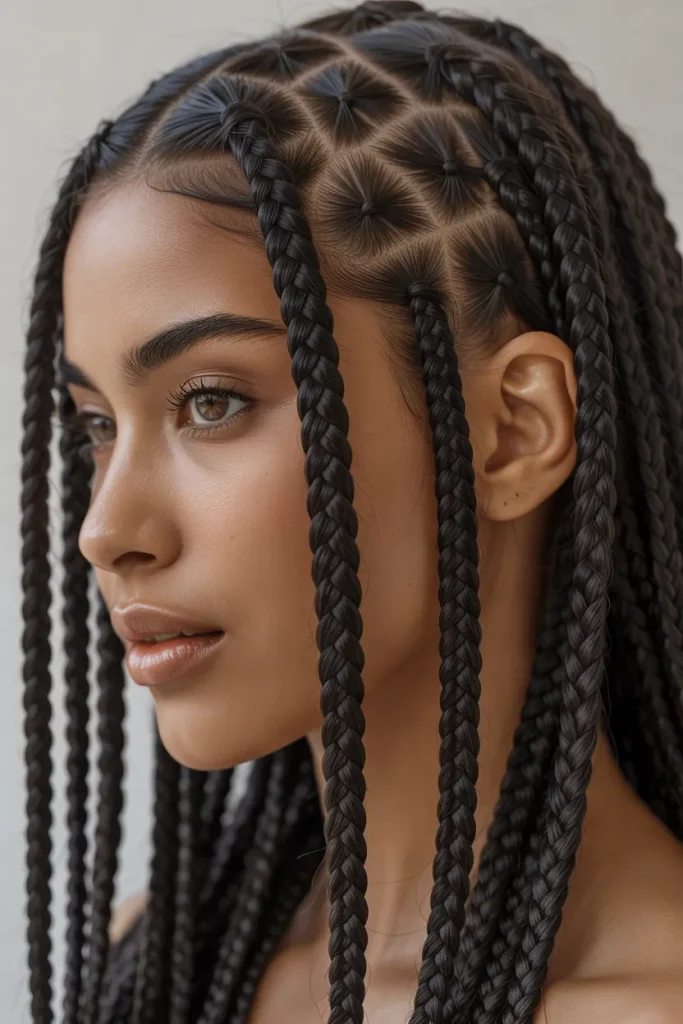
A dry scalp can make even beautifully installed braids feel uncomfortable. You might notice tightness, tiny flakes, or an urge to scratch around the exposed partings. This often becomes more noticeable when the weather is cold, indoor heating is running, or your usual washing routine changes. Braids do not automatically moisturize the scalp, and covering your natural hair does not eliminate its everyday care needs. If your scalp feels dry underneath your protective style, consider whether your cleansing and moisturizing habits have changed. The goal is to restore comfort without coating your roots in heavy products.
Choose a lightweight scalp moisturizer that suits your skin and contains ingredients you already tolerate. Apply a small amount along accessible partings, following the product directions rather than saturating the roots. Avoid assuming that every flake means dryness, because dandruff and other scalp conditions can look similar. Washing gently and drying thoroughly also helps maintain a comfortable environment underneath your braids. If itching continues despite reasonable care, or you notice redness, thick scaling, or sores, consult a dermatologist. A proper assessment can help identify whether the problem needs more than ordinary moisturizing.
Allergic Reaction to Extensions
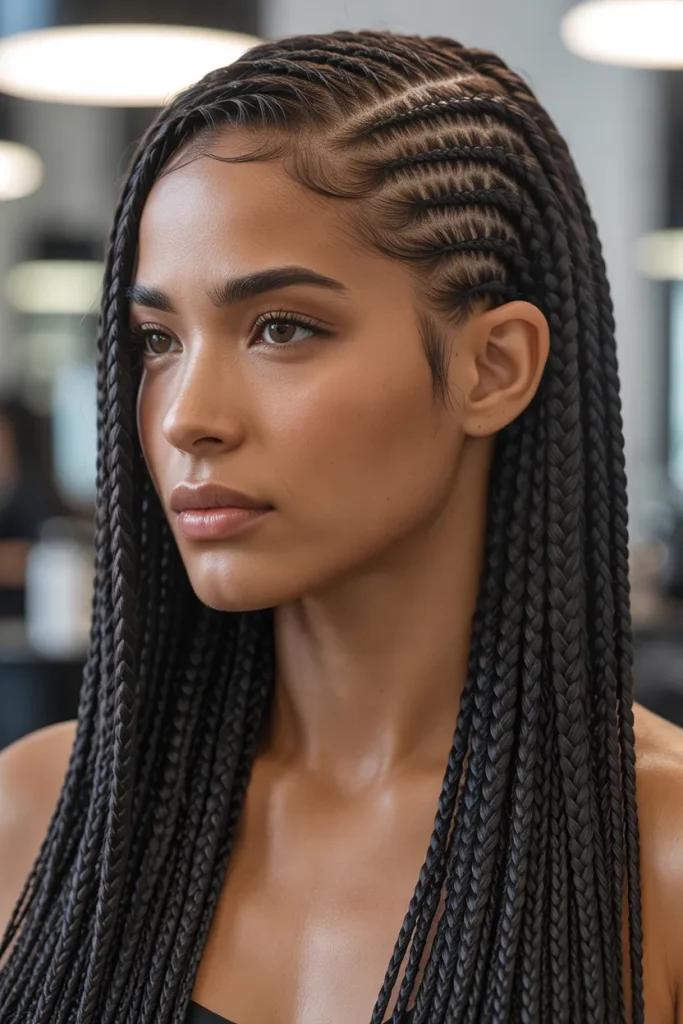
- Some people react to materials used in synthetic braiding hair.
- Itching may appear soon after installation or gradually afterward.
- Redness, swelling, and a rash can indicate a reaction.
- Avoid reusing an extension material that previously caused discomfort.
- Ask about extension composition before purchasing braiding hair.
- Remove suspected irritants and seek medical guidance when symptoms appear.
Sometimes the problem is not your braiding technique but the extension material itself. Certain synthetic fibers, coatings, or added treatments may irritate sensitive skin. You might notice itching around your neck, forehead, ears, or scalp after installing a new pack of braiding hair. A reaction can feel different from ordinary dryness because redness, swelling, or a rash may accompany the discomfort. If you have experienced similar symptoms with particular extensions before, mention this to your stylist before installation. Choosing materials carefully is especially important when you already know your skin reacts easily to certain hair products.
If you suspect an allergic reaction, do not cover the symptoms with additional oils or styling products. Stop using the suspected material and arrange removal of the irritating extensions, especially if symptoms are worsening. A dermatologist can help determine whether the reaction involves an allergy or another type of irritation. Ask your stylist about alternative extension materials for future appointments, but remember that labels such as natural or hypoallergenic do not guarantee compatibility. Severe swelling, breathing difficulty, or facial swelling requires urgent medical attention. Your comfort and skin safety matter more than keeping a freshly installed hairstyle.
Chemical Residue on Extensions
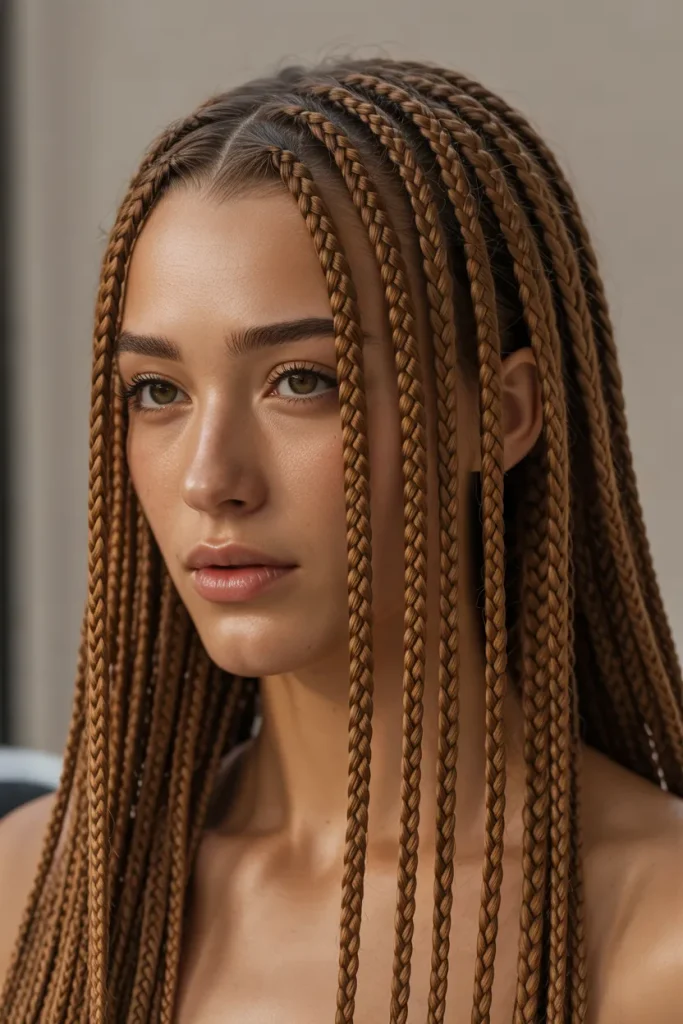
- Manufacturing residues may remain on some synthetic braiding fibers.
- Certain coatings can irritate sensitive scalps.
- Itching may begin after freshly installed extensions contact the skin.
- Ask your supplier about recommended preparation methods.
- Follow the manufacturer’s cleaning instructions before installation.
- Never use harsh household chemicals to treat extension hair.
New synthetic braiding hair sometimes contains surface treatments or manufacturing residues that may not agree with every scalp. This can be frustrating because the extensions look perfectly clean when removed from their packaging. However, contact with the scalp may produce irritation in people who are sensitive to particular materials. If itching begins soon after installing a new batch, consider whether the extension fibers could be contributing. I recommend discussing preparation with your braider before installation, especially if previous synthetic styles have caused discomfort. Different extension products have different care requirements, so avoid assuming every fiber needs identical treatment.
Check the manufacturer’s instructions before washing or preparing synthetic extensions. Some people use a suitable cleansing or soaking method to reduce surface residue, but the correct approach depends on the fiber and its construction. Avoid bleach, strong detergents, or improvised chemical mixtures because they can damage the material or create additional problems. If irritation develops after installation, stop using the suspected extensions and consider professional removal. Persistent redness, swelling, or discomfort deserves medical assessment. For future appointments, keep the packaging information so you can identify which material was used if a similar reaction happens again.
Dandruff Beneath Braids
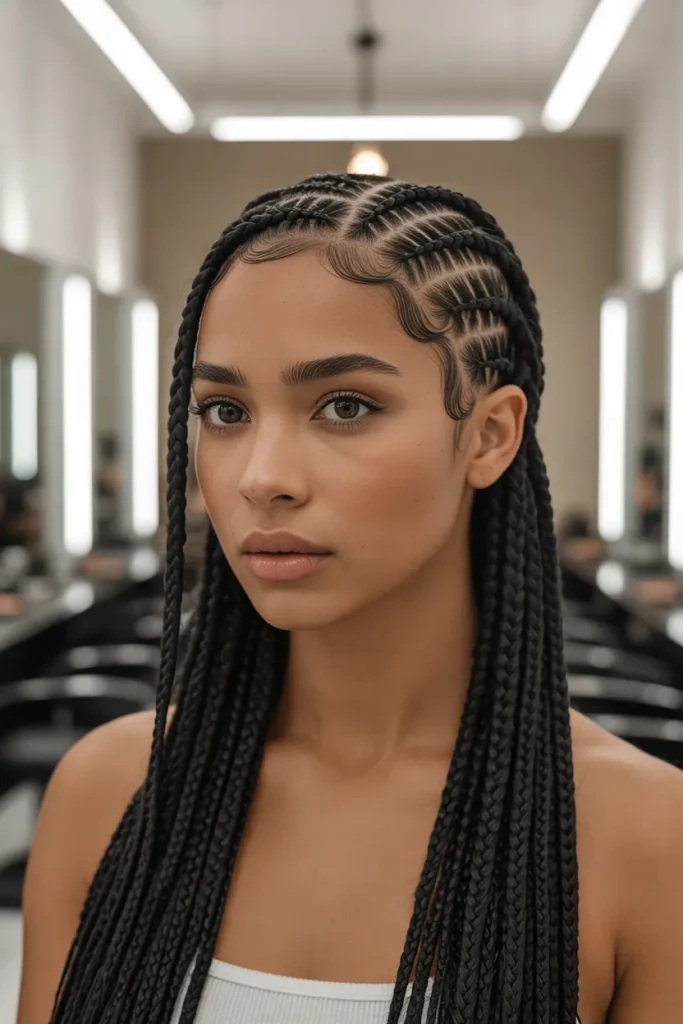
- Dandruff can remain noticeable between exposed braid sections.
- White flakes may collect near the roots and hairline.
- Scratching can worsen irritation and damage sensitive skin.
- Use a suitable anti-dandruff shampoo according to its instructions.
- Cleanse the scalp gently without rough scrubbing.
- Seek professional advice if flakes persist or become severe.
Dandruff does not disappear simply because your hair is braided. If you already experience flaky scalp before installation, the condition may continue underneath your protective style. You might notice white flakes collecting around the partings, along with itching that becomes distracting throughout the day. Some people mistake dandruff for ordinary product residue and respond by applying more oil. Unfortunately, heavy layering may make the scalp feel even less comfortable. Understanding the difference matters because dandruff often needs a consistent cleansing routine rather than extra styling products or repeated scratching to remove visible flakes.
Choose an anti-dandruff shampoo containing an appropriate active ingredient, and follow its label directions carefully. Apply it to accessible scalp areas, working gently around the braids and rinsing thoroughly. Depending on the formula, you may need to leave the shampoo on for a specified amount of time. Avoid picking flakes with your nails because irritated skin can become more uncomfortable. If your scalp develops thick scaling, persistent redness, or painful patches, consult a dermatologist. Some scalp conditions resemble dandruff but require different treatment, so getting the correct explanation can make braided hairstyles much easier to maintain comfortably.
Sweat Trapped Under Braids
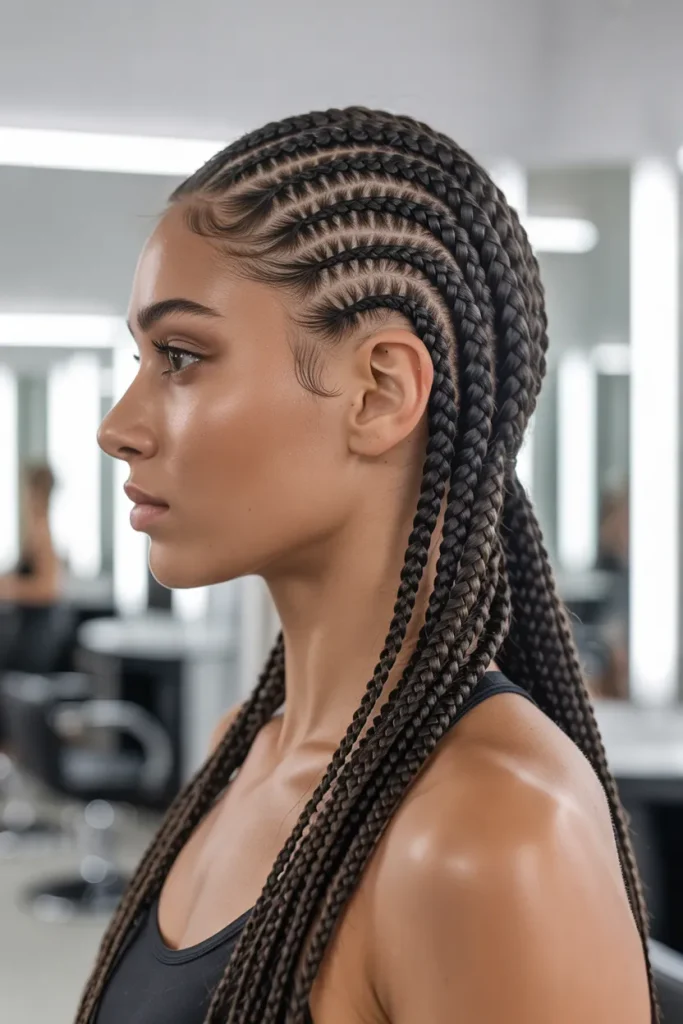
- Sweat can collect around the scalp after workouts.
- Humid conditions may make braided roots feel uncomfortable.
- Allow the scalp to dry after exercise.
- Use a clean microfiber towel to absorb excess moisture.
- Wash when necessary using a suitable gentle shampoo.
- Avoid covering damp braids with tight hats or scarves.
Braids can feel particularly uncomfortable after an intense workout or a long day in humid weather. Sweat accumulates around the roots, hairline, and neck, where it mixes with natural oils and everyday residue. When moisture stays trapped around tightly packed sections, your scalp may feel sticky, irritated, or unusually itchy. This does not mean you need to abandon an active lifestyle while wearing braids. Instead, your maintenance routine should account for exercise, climate, and how quickly your scalp dries. A few practical adjustments can make protective styling more comfortable without sacrificing your regular activities.
After exercising, gently press a clean microfiber towel against accessible areas to absorb excess sweat. Avoid aggressive rubbing, which can disturb your braids and irritate the skin. Allow the roots to dry completely before putting on a scarf, bonnet, or hat. If your scalp needs washing, use a gentle shampoo suitable for braided hair and rinse carefully. People who exercise frequently may need to cleanse more regularly than those with less active routines. Pay attention to lingering odor, dampness, or irritation, because these signs suggest your current washing and drying schedule may need adjustment.
Infrequent Scalp Washing
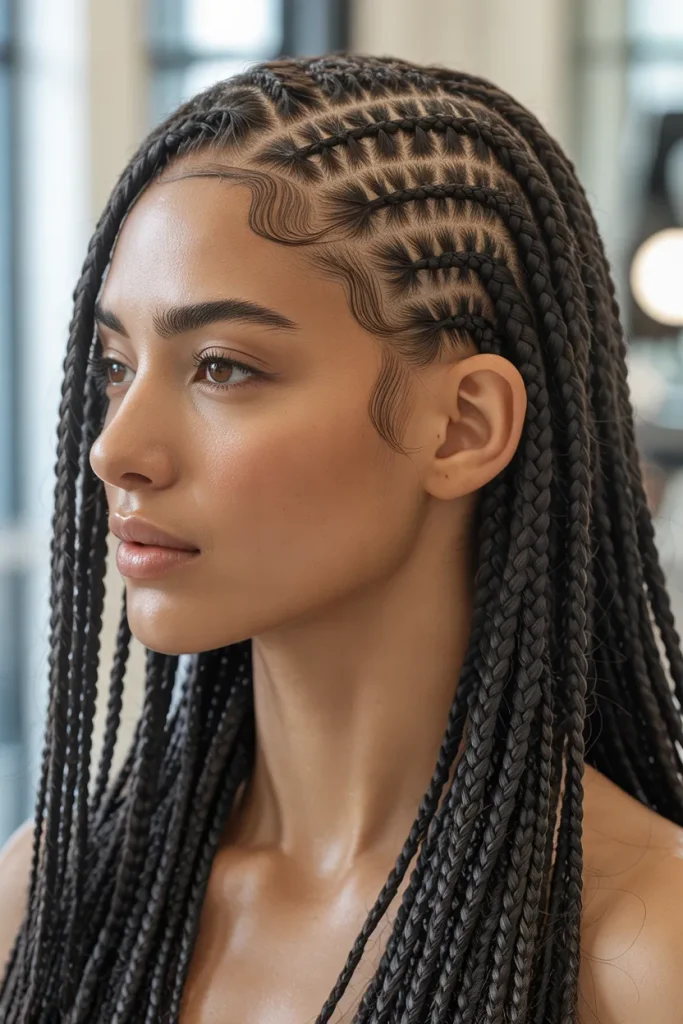
- Dirt, sweat, and natural oils can accumulate between washes.
- Skipping cleansing may contribute to uncomfortable scalp buildup.
- Washing frequency should match your scalp and lifestyle.
- Use a gentle shampoo designed for your hair needs.
- Concentrate on the scalp rather than aggressively scrubbing lengths.
- Dry roots thoroughly after every wash.
Protective styling should make hair maintenance easier, not eliminate cleansing altogether. When you leave your scalp unwashed for too long, sweat, dead skin cells, natural oils, and environmental dirt can accumulate around the roots. This combination may leave your scalp feeling greasy, uncomfortable, and itchy. The ideal washing schedule depends on your activity level, scalp condition, and the type of braids you wear. Someone who exercises daily may need more frequent cleansing than someone with a less active routine. Keeping your scalp clean is an important part of maintaining comfortable braids throughout their intended wearing period.
Use a gentle shampoo and carefully work it through accessible scalp sections with your fingertips. You can also use an applicator bottle to distribute diluted shampoo more precisely, provided the product instructions allow dilution. Rinse thoroughly so cleanser does not remain between the braids. After washing, gently squeeze excess water from the lengths and allow the roots to dry completely. Avoid leaving your braids damp overnight. If washing becomes difficult because your installation is excessively dense or uncomfortable, discuss a more manageable maintenance approach with your stylist before your next appointment.
Heavy Braiding Hair
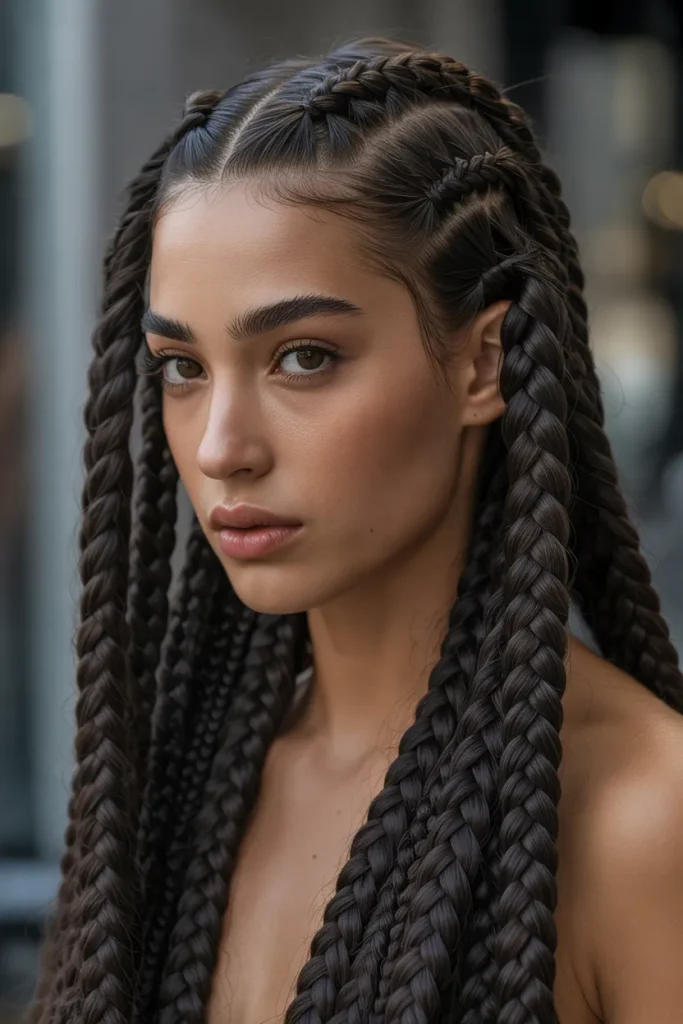
- Excessively heavy extensions can pull continuously on the scalp.
- Weight may create discomfort around the crown and temples.
- Long braids can become harder to manage during daily activities.
- Choose extension quantities appropriate for your natural hair density.
- Ask your stylist to distribute weight evenly.
- Consider shorter or lighter extensions for sensitive scalps.
Long, dramatic braids create a striking silhouette, but excessive extension weight can make the style uncomfortable. When heavy braiding hair pulls continuously on your natural roots, you may experience tenderness, tension, and an irritating sensation across the scalp. The discomfort can become more noticeable when you sleep, exercise, or wear your hair up. Weight is especially important around fragile edges and thinner sections. A beautiful braided look should complement your natural hair rather than place unnecessary pressure on it. Discuss extension length, thickness, and quantity before installation so the finished style feels manageable.
Ask your stylist to select extension amounts that suit your natural hair density and scalp comfort. You do not need extremely thick braids to achieve an elegant, full appearance. Smaller amounts of lighter extension hair can create beautiful length without adding excessive weight. If your current braids feel painfully heavy, avoid pulling them into tight hairstyles and arrange professional removal when necessary. For future installations, consider medium-length options or a lighter braid structure. If tenderness continues after removing the extensions, consult a healthcare professional to assess the affected scalp and hairline.
Braiding Gel Irritation
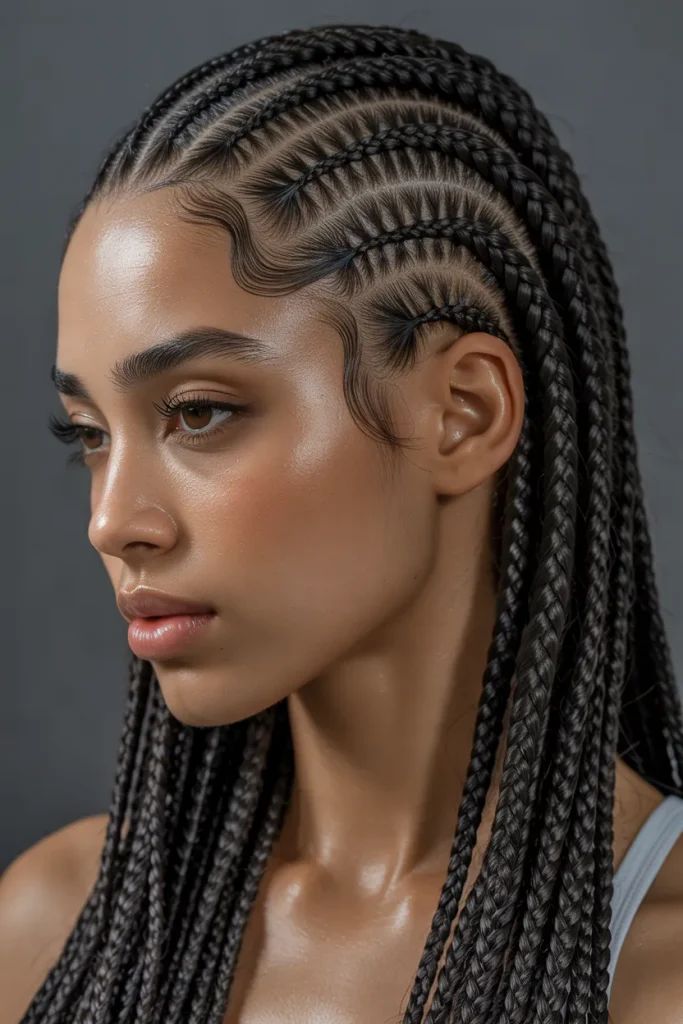
- Certain gels contain ingredients that sensitive skin may not tolerate.
- Fragrance and preservatives can trigger irritation in some people.
- Excessive gel application increases product contact with the scalp.
- Try fragrance-free products when sensitivity is a concern.
- Patch-test new products according to their instructions.
- Stop using any product that causes noticeable irritation.
The products used during installation can influence how comfortable your scalp feels afterward. Braiding gels help create sleek sections and polished roots, but certain ingredients may irritate sensitive skin. Fragrances, preservatives, or other formulation components can be problematic for some individuals. You might notice itching along the partings or hairline where the product was applied most heavily. This discomfort can be confusing because the braids themselves may feel perfectly loose. If you regularly react to styling products, tell your braider before the appointment and discuss simpler formulas that suit your skin and previous experiences.
Before using a new braiding gel, follow the manufacturer’s patch-testing instructions. A product that works beautifully for someone else may not suit your scalp. Avoid layering gel with edge control, holding spray, and multiple finishing products during the same appointment. If irritation starts, discontinue the suspected formula and gently cleanse accessible areas when appropriate. Do not apply additional fragrance or essential oils to mask the discomfort. Persistent itching, redness, or a spreading rash deserves professional assessment. Choosing products thoughtfully can help preserve a sleek finish without making scalp comfort an afterthought.
Braids Worn Too Long
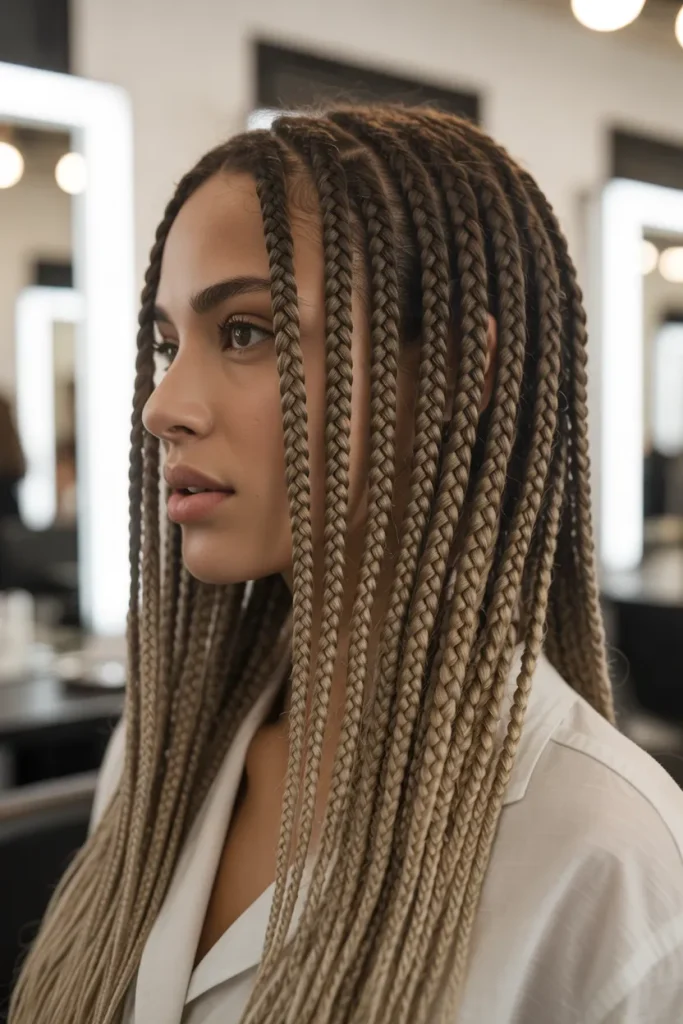
- Extended wear allows more natural root growth to become visible.
- Older braids may collect dirt and styling residue.
- New growth can tangle around existing braid sections.
- Follow a realistic wearing schedule recommended by your stylist.
- Remove braids carefully instead of pulling tangled roots.
- Avoid reinstalling extensions immediately when your scalp feels irritated.
Braids can remain attractive for weeks, but keeping them installed beyond their comfortable lifespan may create maintenance problems. As natural hair grows, loose roots and new growth can collect around the original braid sections. Sweat, product residue, and everyday dirt may also become harder to remove thoroughly. Eventually, the style can feel increasingly uncomfortable, even if the lengths still look presentable. I’ve noticed that people sometimes focus on preserving the appearance of their braids while overlooking changes around the roots. Paying attention to scalp comfort is a better guide than relying on appearance alone.
Follow your stylist’s advice about how long your particular braid style should remain installed. Wearing time varies according to braid size, natural hair condition, installation technique, and maintenance habits. When removal becomes necessary, unravel the extensions gently and use a suitable detangling product to work through accumulated shed hair. Never force apart tangled sections or pull tightly against the roots. After removal, cleanse and condition your natural hair, then give your scalp time to settle before another installation. If irritation remains, postpone additional braiding and seek professional advice rather than immediately covering the affected area again.
Unwashed Scalp With Protective Spray
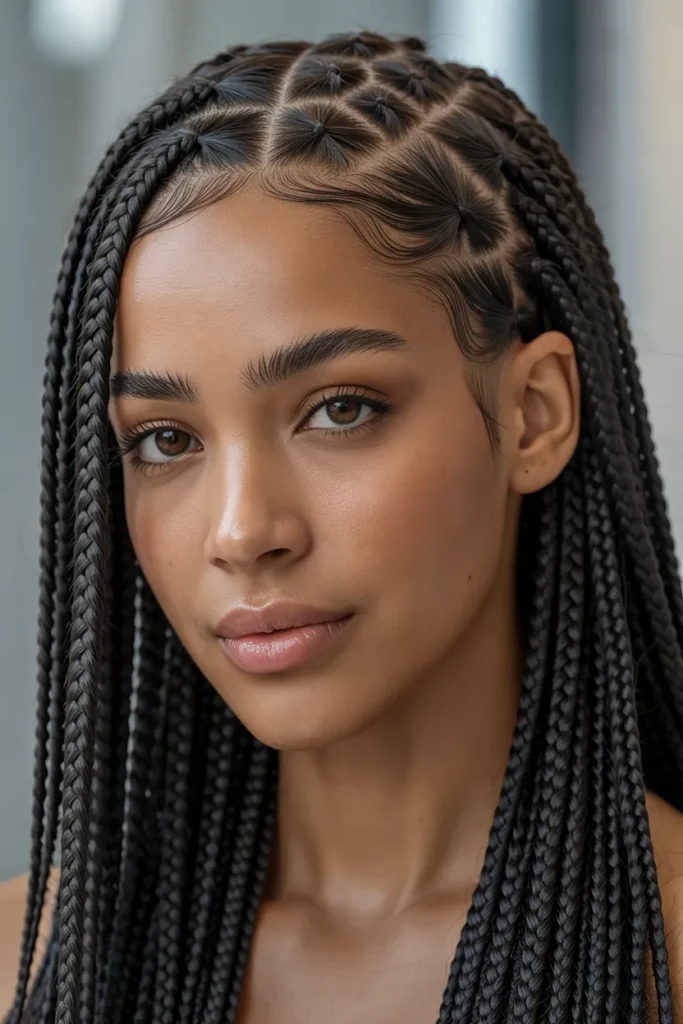
- Protective sprays can leave residue when applied excessively.
- Repeated application may make roots feel sticky.
- Fragrance can irritate people with sensitive skin.
- Use scalp sprays only when they serve a clear purpose.
- Follow application instructions and avoid oversaturating roots.
- Cleanse regularly to remove accumulated product residue.
Scalp sprays are often marketed as convenient solutions for maintaining braided hairstyles, but more product does not necessarily mean better care. Repeatedly spraying the same areas can leave residue around the roots, especially when the formula contains oils, fragrances, or styling ingredients. The scalp may eventually feel sticky or uncomfortable, making you reach for another spray to calm the sensation. This creates an unnecessary cycle of product layering. Instead, consider what your scalp actually needs. A simple routine with occasional appropriate moisturizing and regular cleansing is often easier to manage than a shelf full of finishing products.
Read the directions before applying a protective spray, paying attention to recommended amounts and frequency. Distribute it carefully rather than soaking the scalp and braid lengths. If you notice irritation after using a particular formula, discontinue it and avoid introducing several new products simultaneously. This makes it easier to identify what might be causing discomfort. Wash away residue using a suitable gentle shampoo and allow your roots to dry properly. If itching continues after removing the product, consider other possible causes, including dryness, dandruff, or contact irritation, and seek professional guidance when needed.
Friction From Sleeping
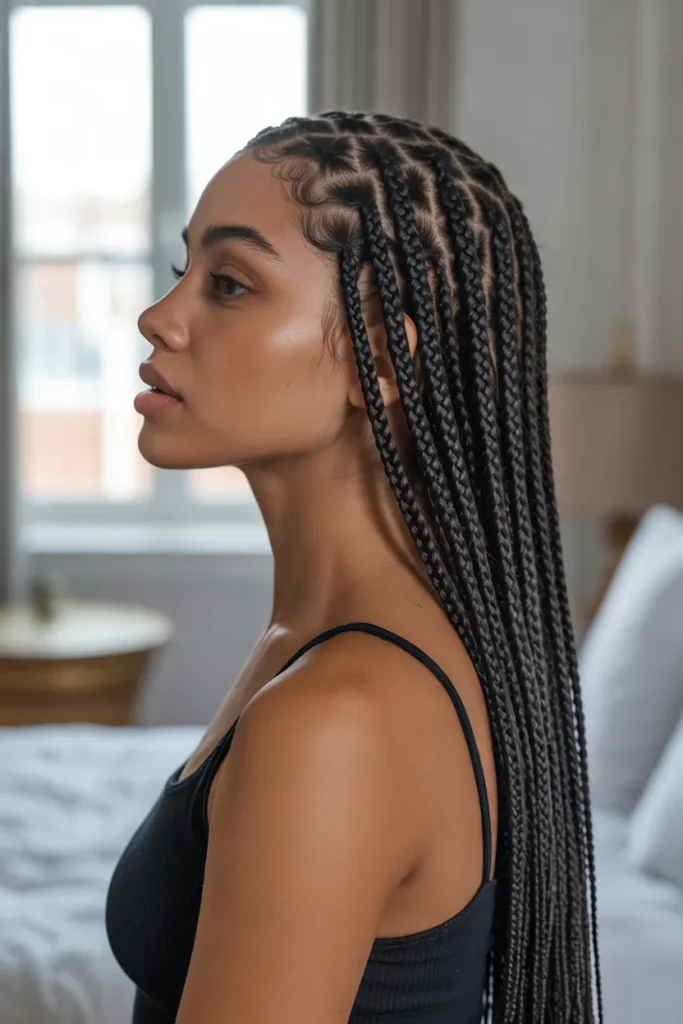
- Pillow friction can pull against braid roots overnight.
- Repeated rubbing may make sensitive areas uncomfortable.
- Loose braids are easier to position before sleeping.
- Use a smooth satin or silk pillowcase.
- A comfortable bonnet can reduce friction.
- Avoid tight bedtime hairstyles that pull on the edges.
Your bedtime routine can influence how comfortable your braids feel the following morning. When long extensions rub repeatedly against a cotton pillowcase, friction can create pulling around the roots and hairline. Sleeping with braids arranged in a tight bun may add even more pressure to already sensitive sections. You might wake up with tenderness, an uncomfortable scalp, or small areas that feel irritated. This is particularly noticeable when braids are freshly installed or unusually heavy. A few simple adjustments to your sleeping position and nighttime accessories can help reduce unnecessary friction.
Before bed, arrange your braids loosely so they are not pulling against one side of your scalp. Use a comfortable satin or silk bonnet, or switch to a smooth pillowcase if head coverings feel restrictive. Avoid securing your hair with tight elastic bands that create concentrated pressure. If your braids are very long, divide them into loose sections to make sleeping easier. Clean your nighttime accessories regularly because accumulated oils and product residue can transfer back onto your hair and skin. These small habits help make protective styling more practical throughout the night.
Tight Hairstyles Over Braids
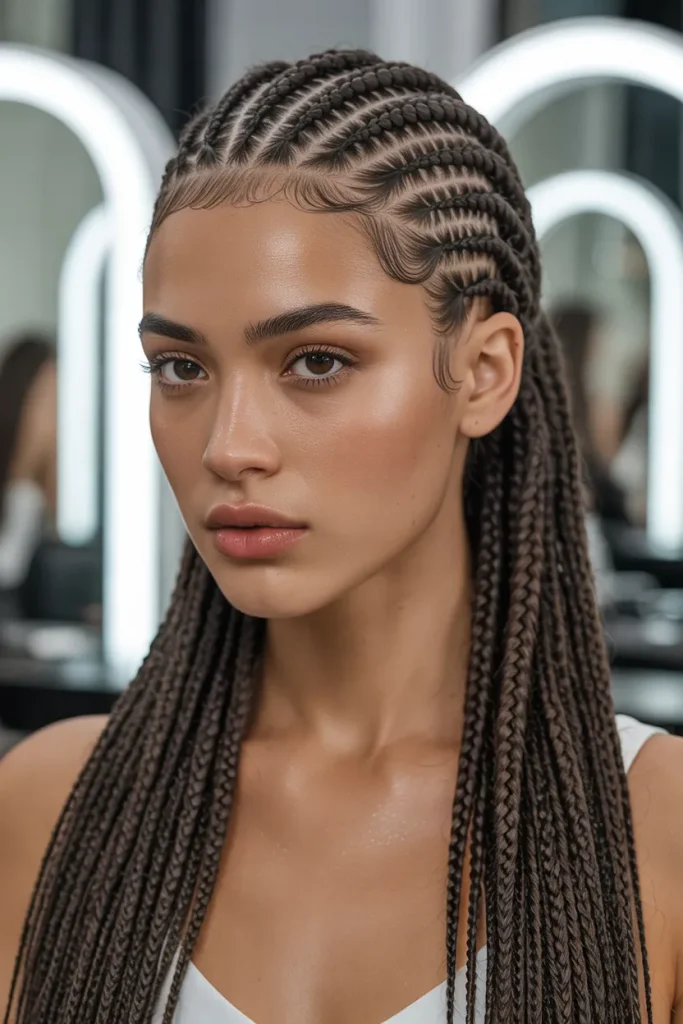
- Tight buns and ponytails add extra tension to braided roots.
- Repeated pulling can make the hairline uncomfortable.
- High styles may concentrate pressure around the temples.
- Choose loose low ponytails for everyday wear.
- Use soft accessories without metal or rough edges.
- Rotate hairstyles to avoid constant pressure on one area.
Braids already have their own weight, so adding a tightly secured hairstyle can increase pressure on your scalp. High ponytails, sleek buns, and tightly wrapped updos may look glamorous, but they can pull continuously at the roots. This often becomes uncomfortable around the temples, forehead, and crown. If your scalp is already sensitive after installation, these extra styling steps may make the problem worse. You can still create attractive braided looks without pulling everything firmly into place. The secret is choosing shapes that allow your extensions to sit naturally while keeping your roots relaxed.
Try low ponytails, loose side arrangements, or softly gathered half-up styles instead of repeatedly choosing tight updos. Use fabric-covered accessories that glide smoothly over the braids and avoid clips with rough edges. Changing your hairstyle throughout the week can also prevent constant pressure on one section. If a particular updo creates discomfort, release it rather than waiting for the sensation to disappear. Persistent tenderness along the hairline may indicate excessive tension, so give the affected area a break and discuss gentler styling options with your braider.
Scalp Irritation From Accessories
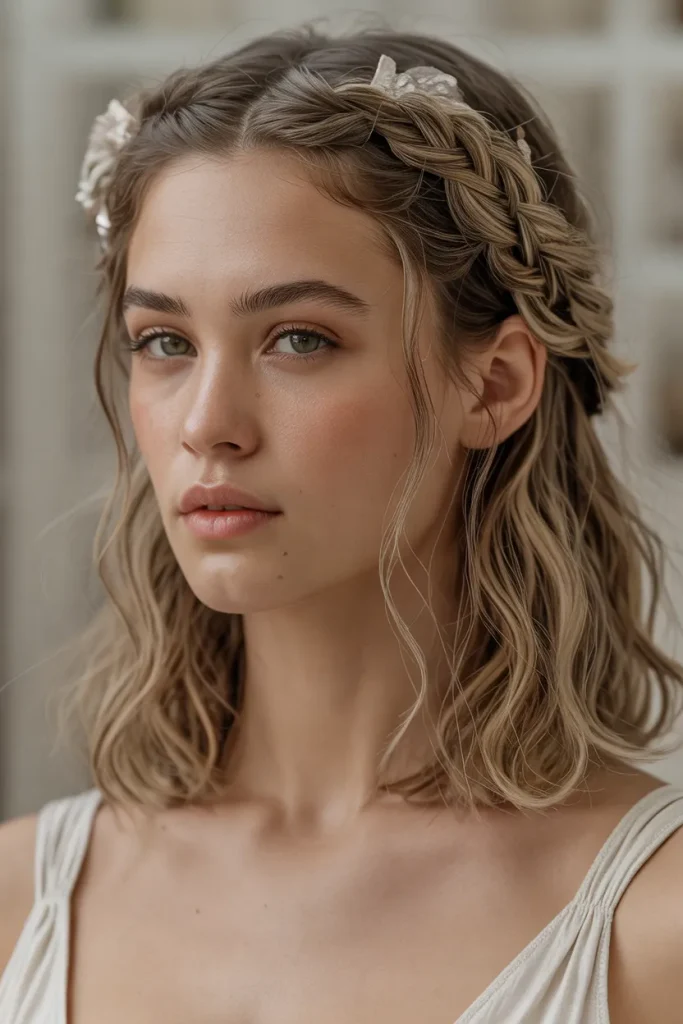
- Decorative accessories can rub against sensitive scalp areas.
- Rough clips and metal pieces may cause localized irritation.
- Tight headbands can increase pressure around the hairline.
- Choose smooth, lightweight accessories with comfortable edges.
- Check clips for sharp or damaged surfaces.
- Remove anything that creates persistent rubbing or discomfort.
Accessories can transform simple braids into a polished Pinterest-worthy hairstyle, but uncomfortable details can quickly become distracting. Metal cuffs, decorative clips, tight headbands, and rough elastic bands may rub against the scalp or surrounding skin. If an accessory repeatedly touches the same sensitive area, you might notice localized itching or tenderness. This is especially important around the temples, behind the ears, and along the nape. Beautiful finishing details should complement your hairstyle without creating irritation. Before adding several accessories, consider their weight, surface texture, and placement against your natural hair and skin.
Choose lightweight decorations with smooth edges and secure them without pulling tightly on individual braids. Remove metal cuffs or clips that pinch, scratch, or catch surrounding hair. If a headband creates pressure, switch to a softer alternative or leave your braids loose. Regularly inspect accessories for damaged surfaces that could snag extensions or irritate your skin. Keep decorative pieces clean, particularly those worn close to the hairline. If irritation continues after removing the accessory, consider whether another scalp condition or product reaction might be responsible and seek professional guidance if symptoms persist.
Conclusion
Braids can be beautiful, versatile, and practical, but your scalp should never have to sacrifice comfort for style. Understanding why do braids itch helps you recognize common triggers, from excessive tension and product buildup to dryness and unsuitable extensions. Small changes in your installation technique, washing routine, and everyday hair care can make a noticeable difference.
Remember, the best braided hairstyle is one that looks gorgeous and feels comfortable. Save this article on Pinterest so you can revisit these helpful tips before your next salon appointment. Try a gentler approach to your favorite braided styles, and share this guide with someone who needs it. Your next beautiful braid experience starts with caring for your scalp!