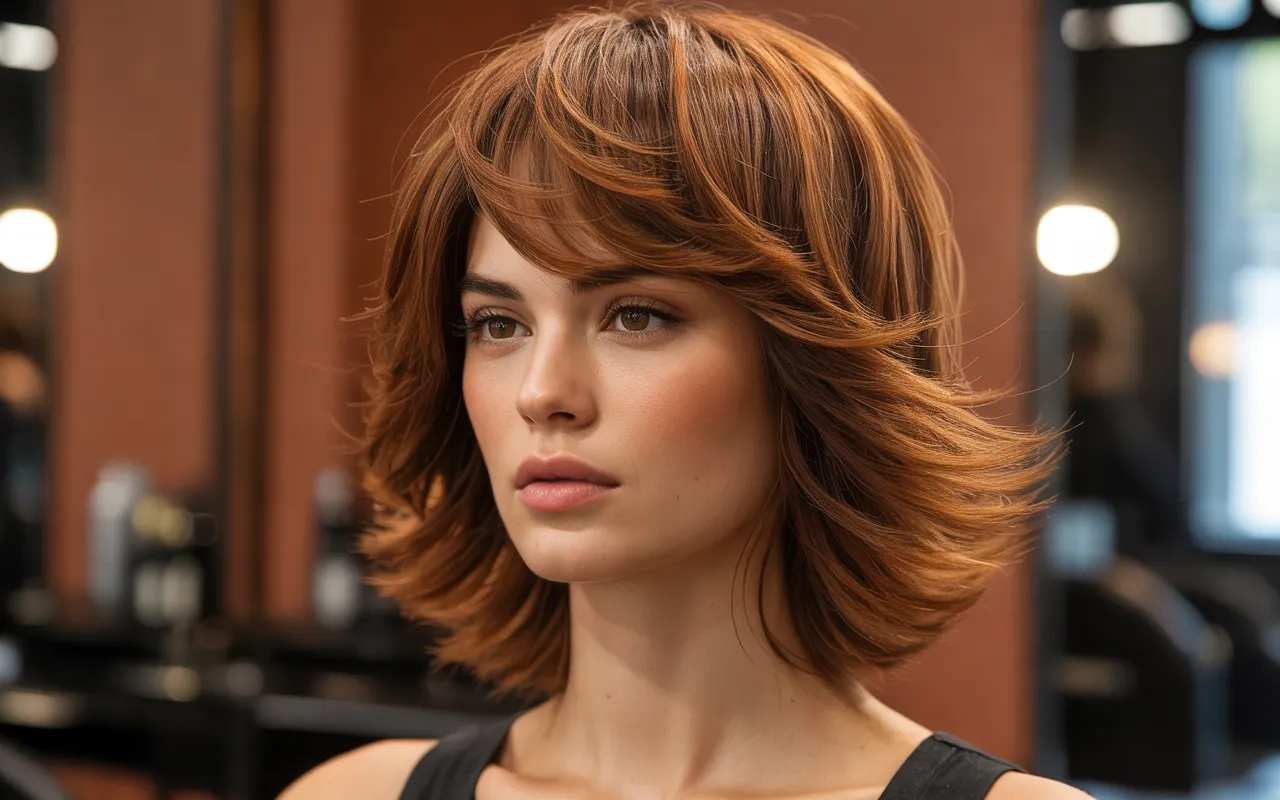
15 Wolf vs Shag Cut Key Differences Explained
If you’re comparing a wolf vs shag cut, understanding their key differences can help you choose a hairstyle that suits your face shape, hair texture, lifestyle, and personal style. Both cuts feature layers and movement, but their silhouettes, crown volume, and overall finishes can vary considerably. The wolf cut typically emphasizes a fuller crown and a more noticeable difference between the top and back, while a shag often creates balanced texture throughout the hair.
Choosing between them doesn’t have to feel confusing. In my experience, considering how your hair naturally falls and how much time you want to spend styling it makes the decision easier. From soft, feathered layers to edgy, textured shapes, these hairstyle ideas will help you discover flattering possibilities, understand what to request at the salon.
Wolf Cut Silhouette
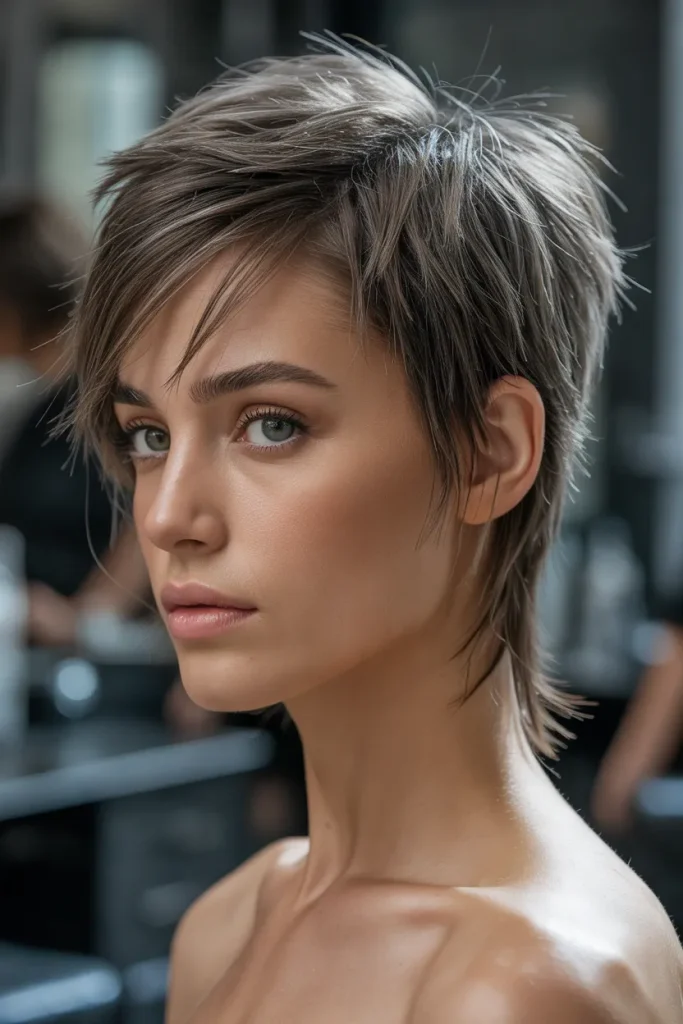
- Creates a fuller crown with deliberately untidy texture.
- Blends shaggy layers with a stronger mullet-inspired outline.
- Adds visual height without requiring perfectly curled styling.
- Works particularly well on naturally wavy or thick hair.
- Can be softened around the temples for a wearable finish.
- Needs periodic shaping to prevent the silhouette from losing definition.
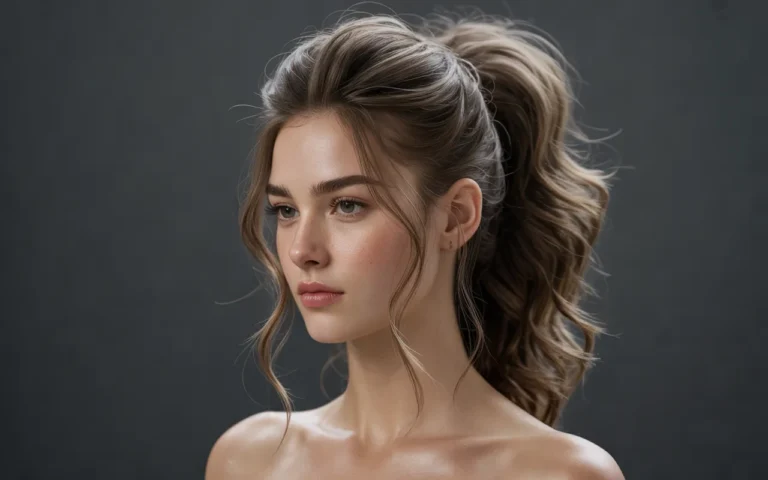
The wolf cut makes a statement through contrast: airy layers lift the crown while longer pieces create a distinctly rebellious outline. Unlike a traditional shag, which often distributes its layers more evenly, this version concentrates attention around the upper head and lets the back retain noticeable length. That combination creates movement without making every section look equally feathered. For anyone comparing the wolf vs shag cut, the silhouette offers an easy starting point. It feels editorial when styled with separated ends, yet remains relaxed enough for everyday outfits, casual weekends, concerts, and creative workplaces.
Ask your stylist to establish the crown shape before removing too much length from the back. This order helps preserve the characteristic outline and makes the finished cut easier to customize. Fine hair may benefit from restrained layering, since excessive texturizing can leave the ends looking sparse. Thick hair can usually support stronger separation, although internal weight removal should suit its natural density. For styling, apply a lightweight texturizing product and lift the roots while blow-drying. Let the ends retain some irregularity rather than forcing every piece into place. A little natural imperfection is central to this haircut’s appeal.
Soft Shag Layers
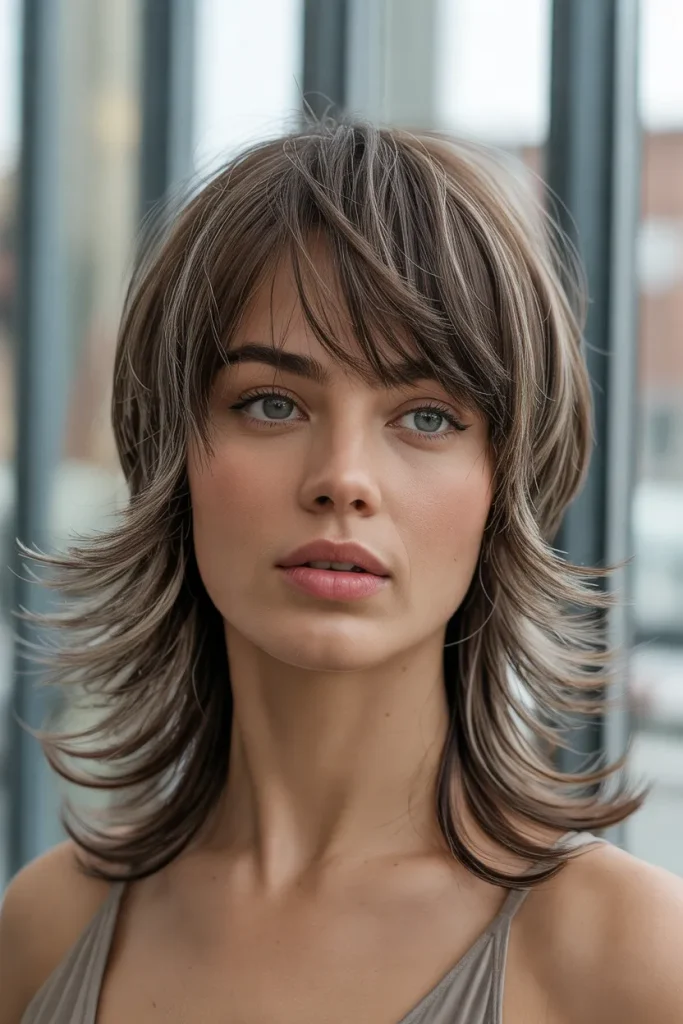
- Creates balanced movement from the fringe through the ends.
- Offers a softer outline than heavily tapered alternative cuts.
- Complements naturally wavy, straight, and lightly textured hair.
- Grows out gracefully when layers are thoughtfully blended.
- Frames the eyes without overwhelming delicate facial features.
- Suits everyday styling, office outfits, and understated evening looks.
A soft shag delivers that effortlessly polished appearance without making the hair look overly styled. Its defining feature is the balanced distribution of layers, which creates movement around the face and through the lengths. Instead of emphasizing a dramatic crown or an extended back, the shape feels cohesive from every angle. Wispy fringe can add softness, while cheekbone-length pieces introduce definition without creating harsh lines. This variation is ideal for someone who wants a contemporary haircut that photographs beautifully but still feels comfortable during ordinary routines, including morning commutes, relaxed lunches, and low-key weekend plans.
The most flattering result depends on how the layers interact with your natural texture. Straight hair may need gentle blow-drying and a touch of flexible styling cream to show separation, while wavy hair often develops the desired shape with minimal heat. Ask your stylist to assess your parting habits, forehead proportions, and preferred styling time before choosing a fringe. If you regularly tie your hair back, discuss keeping the shortest pieces long enough to tuck away comfortably. Regular trims help maintain the airy outline, but a carefully blended shag generally offers flexibility between salon appointments without demanding daily precision.
Curly Wolf Layers
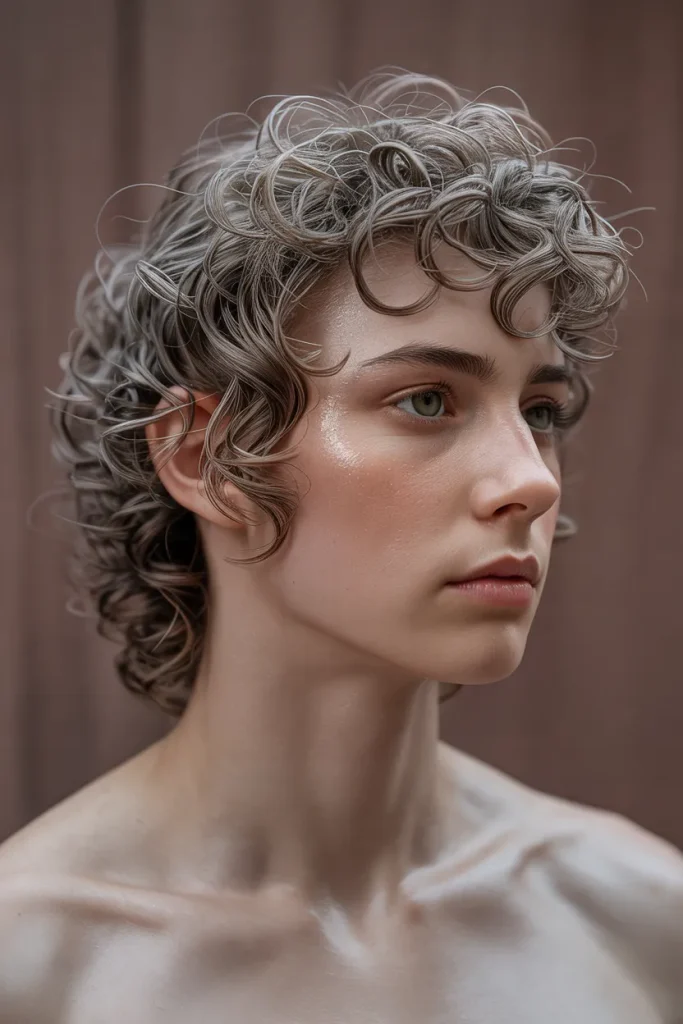
- Lets natural curls create volume without uniform shaping.
- Emphasizes the crown while preserving length at the back.
- Makes individual ringlets look more distinct and expressive.
- Benefits from curl-specific cutting and careful dry assessment.
- Pairs well with diffused drying and lightweight curl products.
- Offers a bold shape without requiring straightened styling.
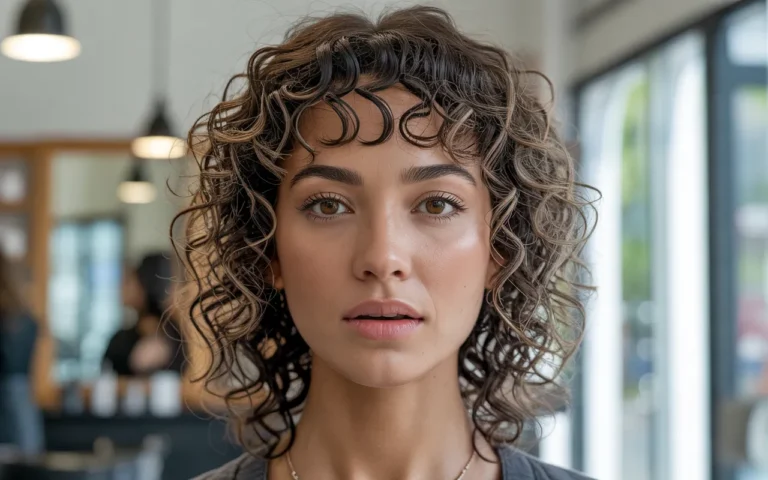
Curly hair gives this layered silhouette a personality that changes with every ringlet. Shorter crown sections spring upward, while longer pieces create a distinctive outline around the neck and shoulders. The result feels playful, sculptural, and wonderfully individual rather than perfectly symmetrical. Unlike a conventional rounded curly cut, this shape intentionally introduces more contrast between the top and back. That contrast can make dense curls appear more organized while allowing their natural bounce to remain visible. It is particularly appealing for anyone who wants a fashion-forward haircut that celebrates curl definition instead of hiding it beneath excessive length.
Curl shrinkage deserves attention before the scissors come out. A stylist experienced with textured hair can evaluate how individual sections behave when dry, reducing the chance of an unexpectedly short crown. Request layers that support your curl pattern instead of forcing every section into identical lengths. After washing, distribute leave-in conditioner evenly and apply a suitable curl gel while the hair remains wet. Diffuse gently or allow the curls to air-dry without repeatedly touching them. On refresh days, mist flattened areas lightly and reshape selected ringlets. The haircut should work with your regular wash routine, not require an entirely new one.
Butterfly Shag
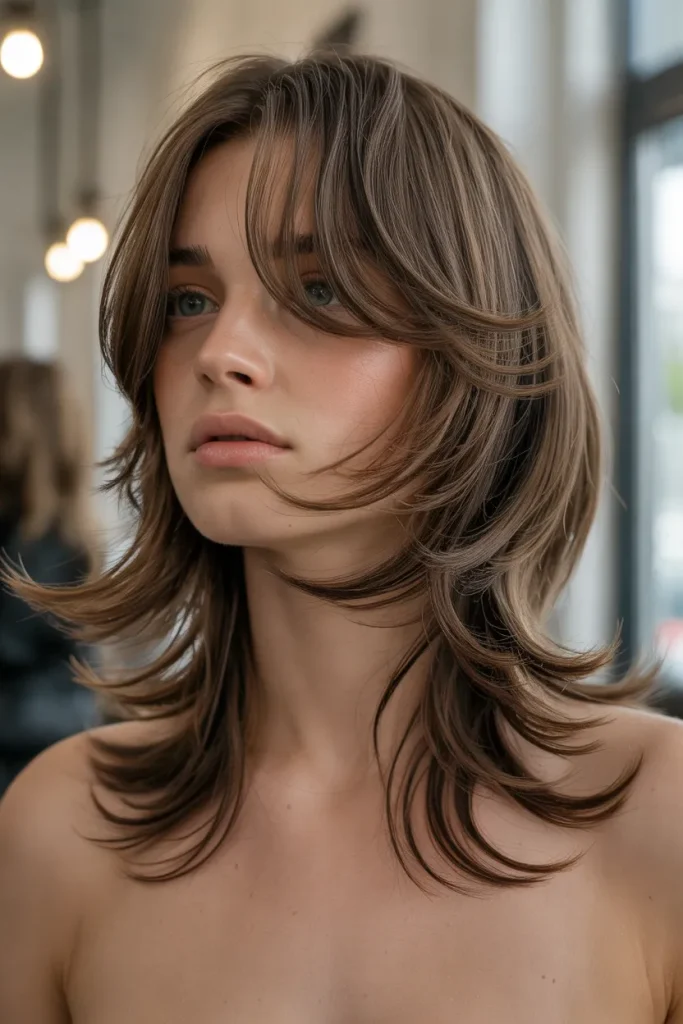
- Combines sweeping face-framing pieces with shag-inspired texture.
- Creates a flowing shape without sacrificing all the length.
- Makes curtain fringe blend naturally into longer sections.
- Looks especially striking with a rounded blowout.
- Gives medium-density hair an airy, dimensional appearance.
- Works for dinners, celebrations, and polished everyday outfits.
The butterfly shag combines the sweeping movement of butterfly layers with the relaxed texture associated with a modern shag. Its shortest pieces curve around the cheekbones, while longer sections flow outward to create a soft, winglike silhouette. This shape feels glamorous without looking rigid, making it appealing for anyone who enjoys a salon blowout but wants more personality than a conventional layered cut. The fringe can open around the eyes, and the feathered ends create movement as the head turns. It photographs beautifully from the front and side, particularly when the layers catch soft light.
Styling determines whether this haircut feels airy or overly rounded. Use a medium round brush to direct the face-framing sections away from the cheeks, then allow the ends to settle naturally. A large-barrel curling iron can refine selected pieces, but alternating directions prevents the finish from looking too uniform. Fine hair often benefits from lightweight volumizing mousse, whereas thicker hair may need smoothing cream to keep the outer layers controlled. Discuss the shortest layer carefully with your stylist if you prefer tying your hair up. A balanced shape should still look attractive when the blowout relaxes between washes.
Textured Mullet Shag
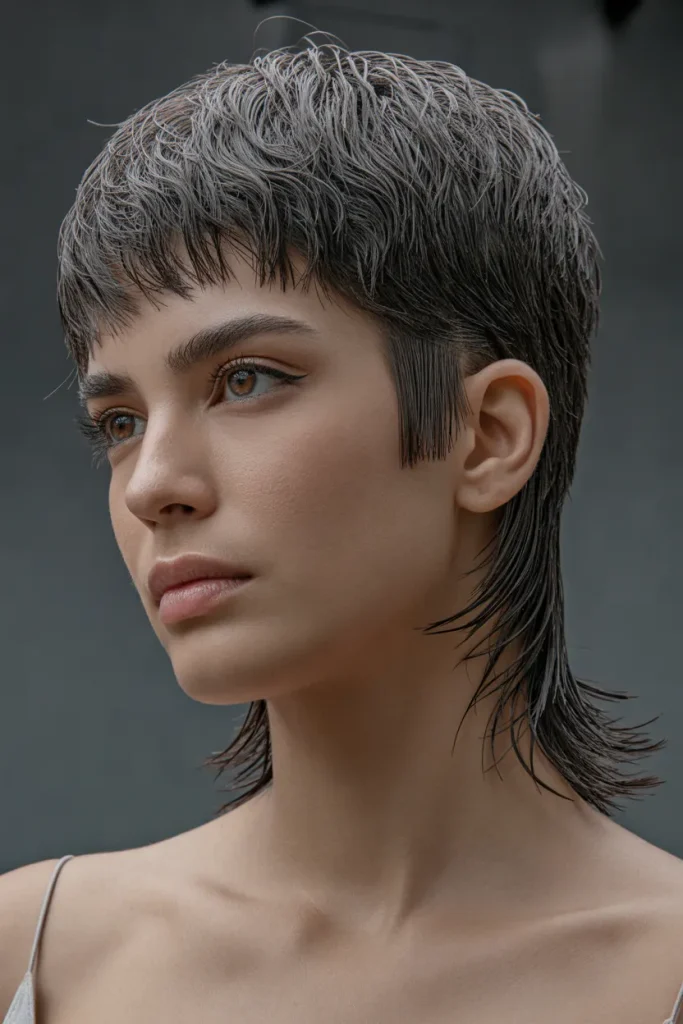
- Creates a more pronounced contrast between the crown and nape.
- Gives short fringe a deliberately edgy, editorial finish.
- Highlights earrings, necklines, and statement accessories.
- Suits confident personal style and alternative fashion aesthetics.
- Requires regular shaping around the temples and neckline.
- Can be customized with softer or sharper transitions.
This shag mullet leans into a stronger silhouette, pairing compact upper layers with a visibly longer nape. The contrast feels deliberate rather than accidental, giving the haircut an alternative fashion edge that stands out in profile photographs. Piecey fringe draws attention toward the eyes, while tapered sides keep the overall shape from appearing excessively wide. Compared with softer layered cuts, this version makes its structure part of the visual statement. It suits people who enjoy experimental clothing, graphic eyeliner, or minimalist outfits that benefit from one distinctive detail. The finish can be messy, sculpted, or somewhere comfortably between those extremes.
Before committing, consider how the back will sit against your collar and whether you enjoy styling shorter sections around the ears. A stylist can soften the transition between crown and nape if you want an easier introduction to the shape. Matte paste helps define selected pieces without creating a stiff helmet effect. For finer strands, use only a small amount so the crown retains lift. Thick hair may need strategic internal weight removal to avoid a bulky outline. Maintenance focuses on preserving the proportions, especially around the neckline, so discuss your preferred trim schedule before leaving the salon.
Long Feathered Shag
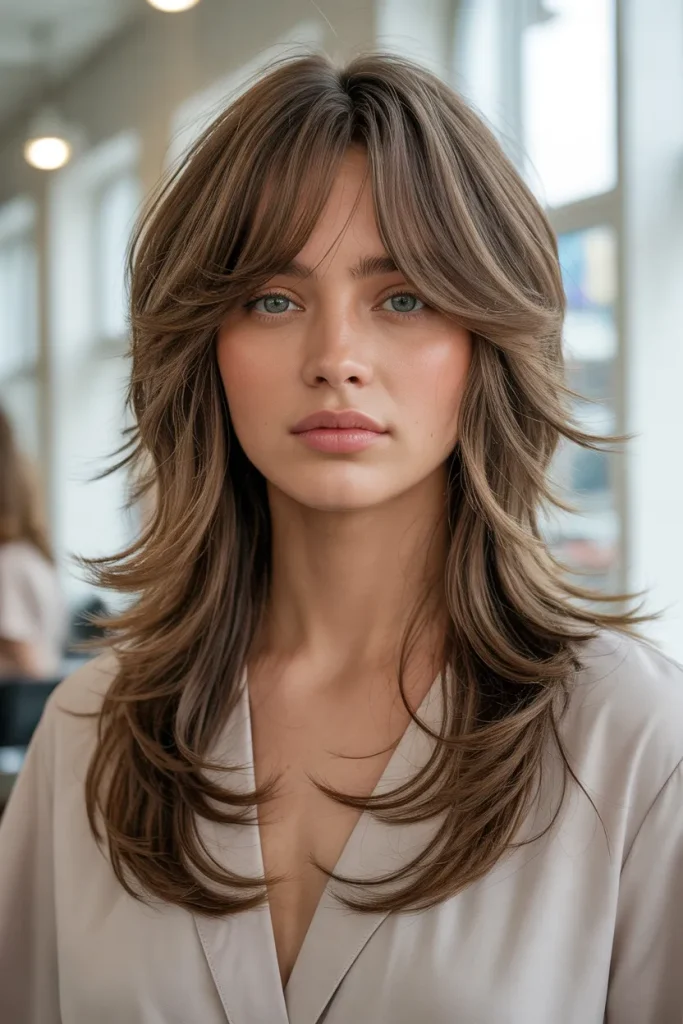
- Preserves substantial length while introducing movement around the face.
- Creates a softer outline than sharply disconnected layers.
- Looks beautiful with natural waves or a loose blowout.
- Allows ponytails and braids to remain practical.
- Flatters people who dislike dramatic changes in length.
- Benefits from occasional dusting of dry, fragile ends.
Long feathered layers offer a graceful alternative for anyone who loves length but finds one-length hair visually heavy. The shortest sections sweep around the face, creating movement that becomes especially noticeable when the hair is brushed away from the cheeks. Longer pieces maintain a continuous, flowing outline rather than creating an abrupt difference between the top and bottom. This makes the haircut feel romantic and wearable instead of overtly rebellious. It suits soft knitwear, tailored clothing, and occasion styling equally well. When photographed from the side, the feathered ends create dimension without making the overall length disappear.
Ask for layers that respect your density and the amount of length you want to retain. Overlayering can leave long hair looking thin at the bottom, particularly when the strands are naturally fine. A stylist may use carefully placed sections around the face while preserving a fuller perimeter. For everyday styling, blow-dry the front pieces with a round brush and leave the remaining lengths to air-dry when practical. A lightweight serum can reduce flyaways without flattening the movement. This haircut also transitions easily into loose braids and low ponytails, making it useful for busy mornings and relaxed travel days.
Micro Fringe Wolf
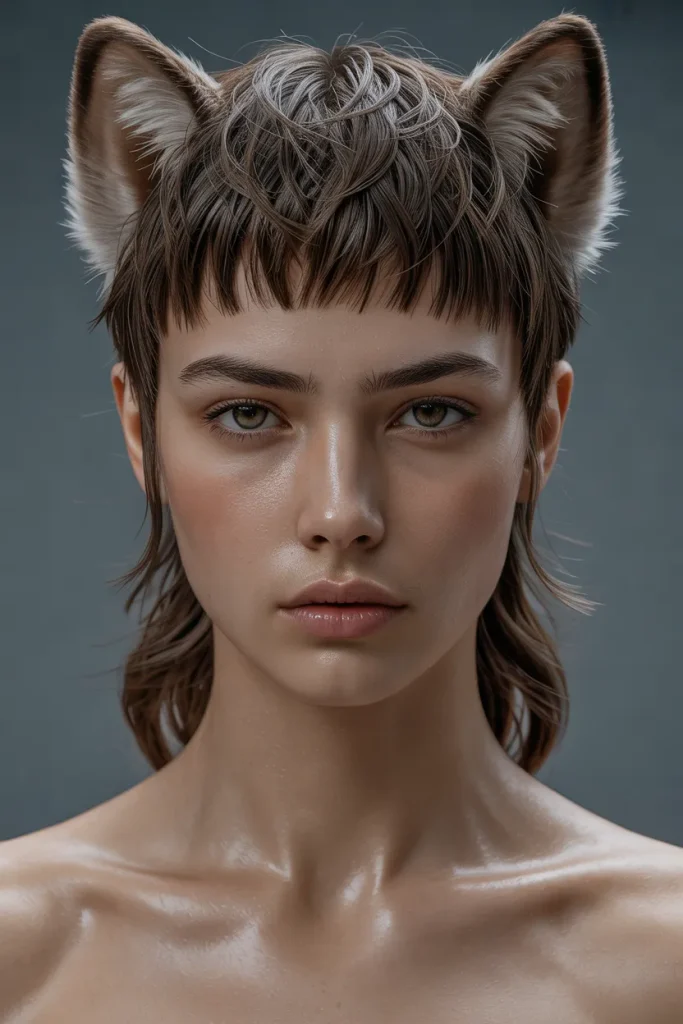
- Makes the eyes the immediate focal point.
- Introduces a fashion-editorial edge through shortened fringe.
- Balances a textured crown with a longer silhouette.
- Works especially well with graphic makeup or bold eyewear.
- Requires frequent fringe shaping to maintain its length.
- Can be softened with uneven, lightly feathered edges.
Micro fringe transforms a layered cut into something distinctly editorial. The short fringe creates a clean visual interruption across the forehead, while the choppy crown and longer back prevent the overall shape from looking overly geometric. This contrast can make simple clothing feel more intentional and gives portraits a strong focal point. The effect is bold, but the fringe does not have to form a perfectly straight line. Slightly irregular edges can feel softer and more adaptable. Anyone drawn to runway beauty, alternative street style, or expressive accessories may appreciate how this detail changes the character of an otherwise familiar layered haircut.
Fringe placement should be discussed carefully because forehead proportions, cowlicks, and natural growth direction influence how short bangs behave. Ask your stylist to begin conservatively if you have never worn micro fringe before. A small round brush and low dryer setting can guide the front into position without excessive heat. Avoid heavy oils near the roots because they may separate the short pieces into unwanted clumps. You can keep the remaining layers relatively low-maintenance, but the fringe usually needs more frequent trims than the rest of the haircut. This is a good option when you enjoy a distinctive look and do not mind small daily adjustments.
Air-Dried Wave Shag
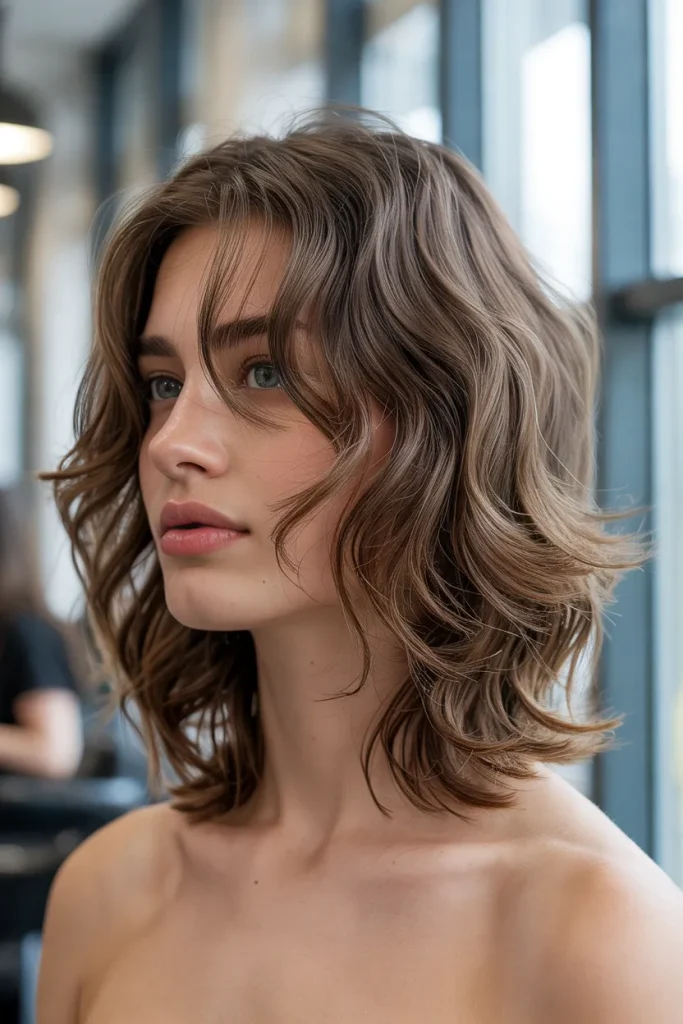
- Enhances natural bends without demanding a polished blowout.
- Creates movement that looks relaxed rather than deliberately curled.
- Keeps the ends light and easy to reshape.
- Works well for people with inconsistent natural wave patterns.
- Reduces reliance on hot tools for everyday styling.
- Looks equally appealing with casual and smart-casual clothing.
This air-dried shag is designed for days when natural texture should do most of the work. Soft layers encourage loose bends to separate, giving the hair a relaxed shape instead of a flat curtain. The result feels lived-in and modern, with movement that looks particularly appealing in natural daylight. It is less about creating perfect waves and more about allowing each section to settle into its own pattern. People who dislike spending mornings with curling irons may find this approach refreshing. The haircut looks intentionally casual, yet its face-framing pieces provide enough structure to complement a carefully chosen outfit.
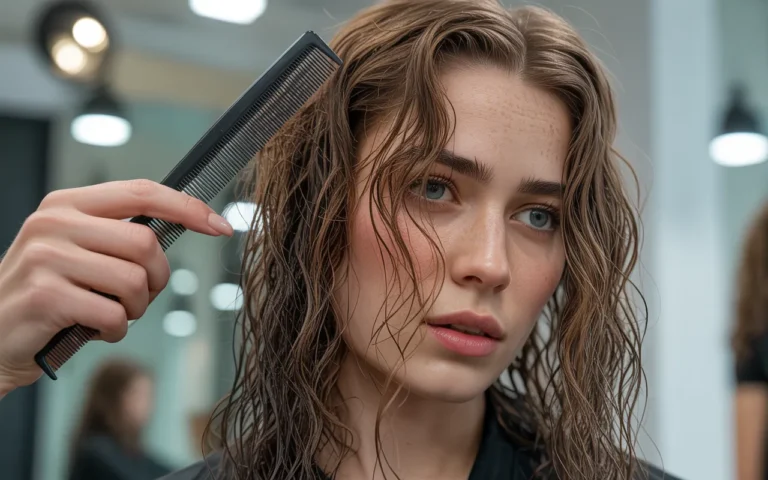
A good wash-day routine matters more than elaborate finishing here. Apply a lightweight leave-in product and a small amount of wave-enhancing mousse to damp hair, then scrunch gently with a soft towel or cotton T-shirt. Avoid brushing repeatedly while the hair dries, since that can disrupt natural bends and create unwanted frizz. If your texture varies across the head, ask your stylist to shape the layers around its strongest natural movement. Straight sections may need occasional assistance from a diffuser, but the overall goal is minimal effort. Refresh the next morning with a little water rather than restarting the entire styling process.
Rounded Crown Shag
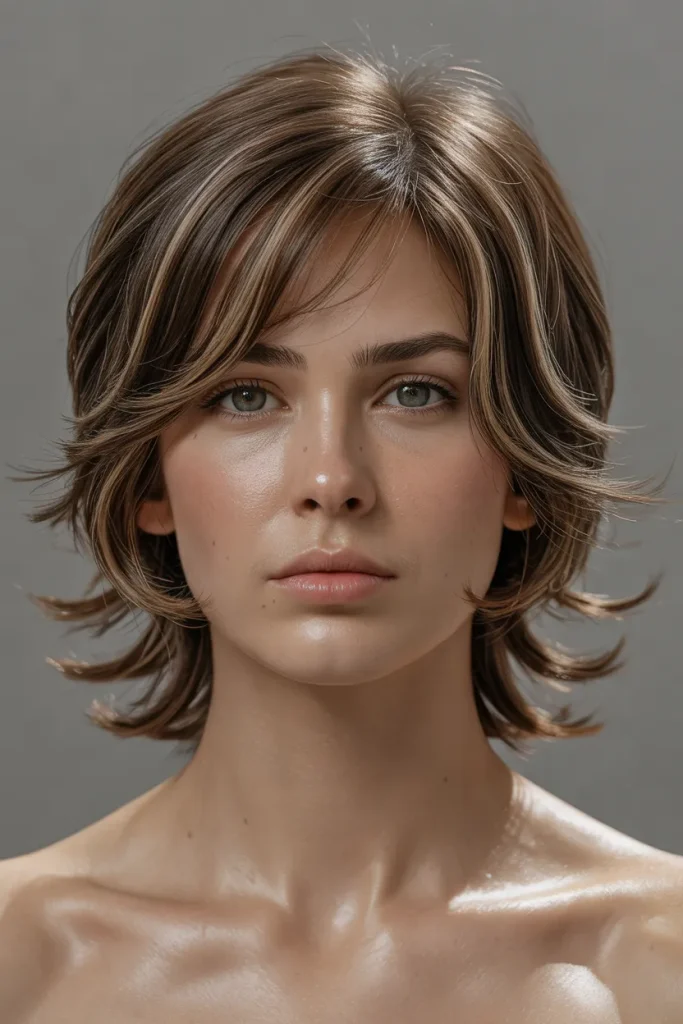
- Builds a fuller-looking crown without exaggerated height.
- Creates a balanced outline for medium-length hair.
- Keeps the sides softer than a heavily disconnected cut.
- Works well when the natural roots tend to lie flat.
- Benefits from careful blending around the upper layers.
- Offers a polished shape suitable for professional settings.
A rounded crown gives this shag a more controlled, sculpted appearance while preserving the movement that makes layered hair attractive. The upper sections create gentle height, and the blended sides guide the eye toward the face instead of spreading outward dramatically. This makes the cut feel contemporary without looking excessively edgy. It can be especially useful for people whose roots tend to collapse while their ends retain natural volume. From the front, the shape appears soft and balanced; from the side, the lifted crown adds dimension. The overall effect is polished enough for work yet relaxed enough for everyday wear.
Ask your stylist to check how the crown sits when your hair is completely dry. Hair that naturally grows forward or forms a strong swirl may require a different layering approach to avoid unwanted separation. During styling, lift small root sections with a vent brush while directing the dryer toward the scalp. A light volumizing spray can provide support without making the upper layers feel crunchy. Avoid loading the ends with heavy creams, which may pull the shape downward. If you prefer a flatter finish, the same cut can be worn with less root lift, giving you flexibility without changing the haircut itself.
Piecey Bangs Shag
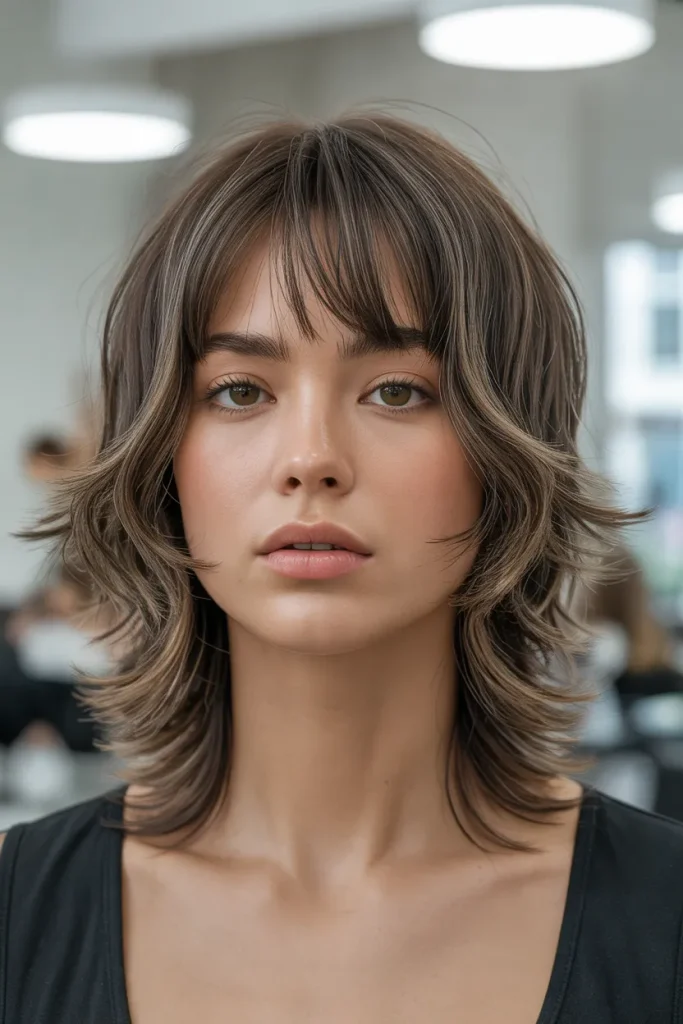
- Adds definition around the eyes without a solid fringe.
- Creates small gaps that keep the front visually light.
- Blends naturally into cheekbone-length side pieces.
- Offers a softer alternative to blunt straight-across bangs.
- Works with casual waves and smooth, brushed styling.
- Requires lightweight products to prevent the fringe clumping.
Piecey bangs give this shag its character through separation rather than density. Small spaces between the fringe sections allow glimpses of the forehead, creating a lighter appearance than a solid, blunt line. The surrounding layers continue that broken texture through the sides and ends, helping the haircut feel cohesive from front to back. This detail can bring attention to the eyes without overwhelming the rest of the face. It also photographs well in close-up portraits because the strands create subtle dimension. The overall mood is relaxed and modern, with enough polish to work for everyday outfits and special occasions.
The key to maintaining separated bangs is using less product, not more. After washing, direct the fringe forward and move it gently from side to side while drying to reduce stubborn parting lines. Once dry, use fingertips to divide a few sections rather than combing the fringe into a uniform sheet. If your hair is naturally oily, keep conditioner away from the roots and wash the front more often when needed. Tell your stylist whether you prefer the bangs above the eyebrows or grazing them. A small change in length can significantly affect how the fringe opens and blends into the sides.
Sleek Sculpted Shag
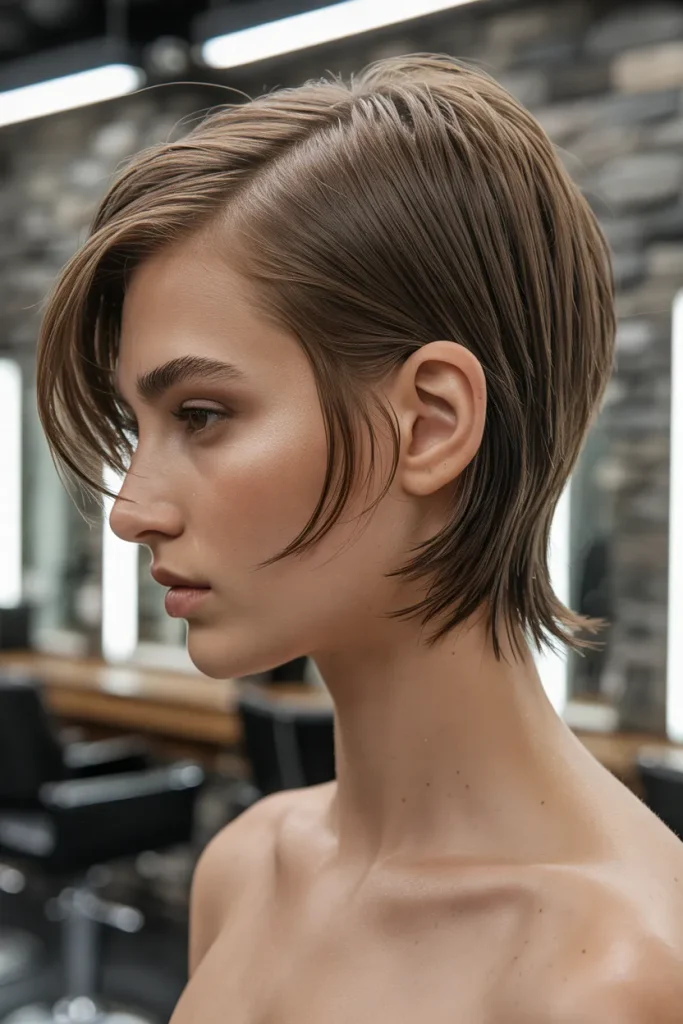
- Combines sleek finishing with visible layered structure.
- Makes the haircut feel sophisticated rather than deliberately messy.
- Highlights precise face-framing lines and clean movement.
- Suits straight hair and hair that smooths easily.
- Works beautifully with tailored outfits and evening styling.
- Requires heat protection and careful control of flyaways.
A sleek sculpted shag proves that layered hair does not always need a messy finish. Smooth strands reveal the haircut’s architecture, allowing the face-framing pieces and feathered ends to become the main attraction. The result feels minimal, polished, and fashion-conscious without losing the movement created by shorter sections. It is particularly striking when paired with clean clothing lines, understated jewelry, or a simple monochrome outfit. Unlike a heavily textured finish, this approach emphasizes the direction in which the hair falls. The silhouette remains dynamic, but the surface looks controlled enough for professional portraits, dinners, and more formal occasions.
To achieve this finish, apply heat protectant before blow-drying and work in manageable sections. A paddle brush can smooth the upper layers, while a round brush gives the ends a subtle bend instead of a hard flip. Finish with a tiny amount of lightweight serum through the mid-lengths and ends, avoiding excessive product at the roots. If your hair is naturally wavy, smoothing the front sections first can make the style easier to maintain. Ask your stylist to keep the ends intentionally feathered rather than blunt. This preserves the layered character even when the overall finish is glossy and refined.
Textured Shag Bob
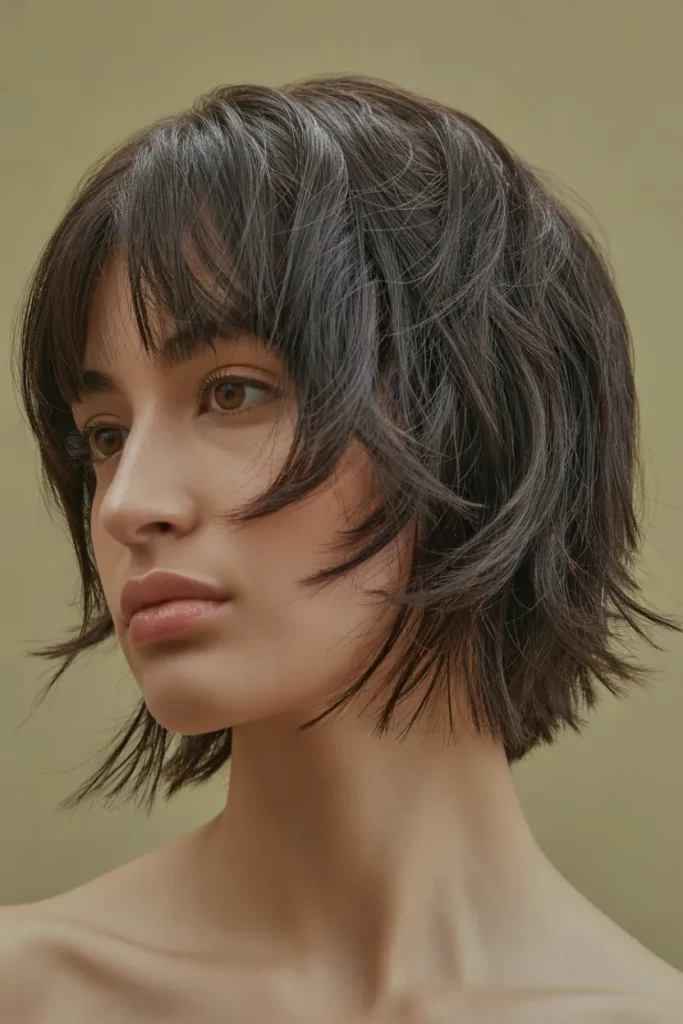
- Gives a short bob more movement and personality.
- Creates a lighter outline than a traditional blunt bob.
- Highlights the jawline without requiring perfectly smooth styling.
- Works with subtle bends or a tousled natural finish.
- Needs precise shaping to prevent the sides becoming bulky.
- Offers a noticeable change without committing to very short hair.
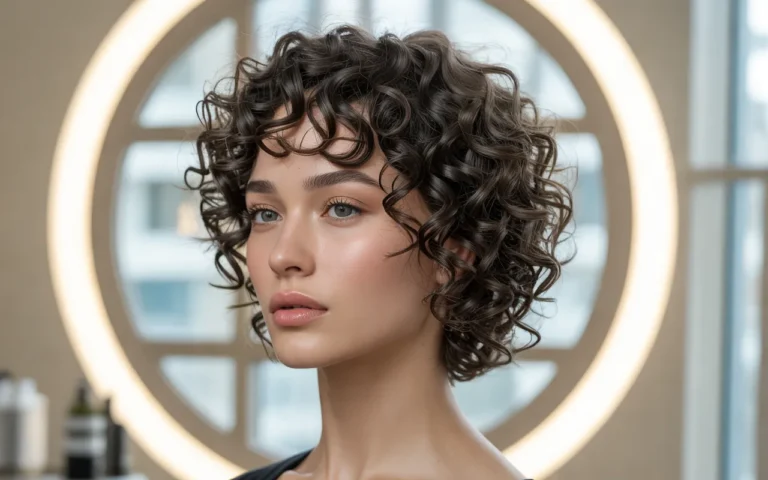
The textured shag bob combines the convenience of a short cut with the irregular movement of a layered style. Its jaw-skimming outline keeps the shape recognizable, while shorter crown pieces prevent the hair from looking like a solid block. Softly broken bangs add character, and separated ends create a lively finish that changes as you move. This haircut can feel playful with natural bends or more refined when brushed into place. It suits people who want a clear style change without choosing a very short crop. The silhouette also draws attention to earrings, necklines, and the natural contours of the jaw.
The placement of the shortest layers is especially important in a bob because there is less length to disguise uneven bulk. Ask your stylist to consider the width of your hair around the ears and the way the ends turn inward or outward naturally. For a quick everyday finish, apply a small amount of texturizing cream and twist a few pieces between your fingers. A blow-dryer can create additional lift, but excessive heat may make short ends look stiff. If you wear glasses, try the finished shape with your frames before leaving the salon. Small adjustments around the temples can improve comfort and balance.
Voluminous Shag Blowout
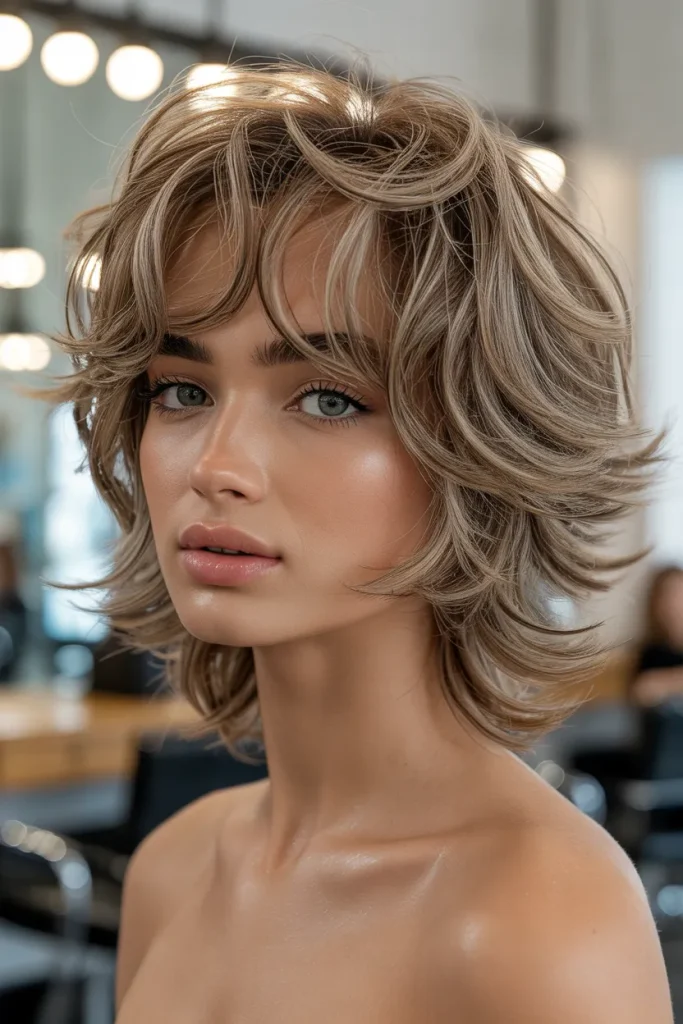
- Creates a fuller, bouncier finish for special occasions.
- Emphasizes crown lift and sweeping movement around the face.
- Gives layered ends a soft, rounded shape.
- Works well for medium to thick hair with suitable layering.
- Pairs beautifully with evening wear and statement accessories.
- Needs brushing and product choices suited to your hair density.
This blowout version turns a layered cut into a glamorous, full-bodied look. Lifted roots give the crown presence, while sweeping front sections curve away from the face and feathered ends add bounce through the lengths. The effect feels polished rather than stiff because the layers remain visible beneath the volume. It can elevate a simple outfit for a celebration or add a little drama to an ordinary dinner plan. The shape is especially appealing in photographs, where the curved ends create movement and the crown catches the light. Unlike a flat, straight finish, this styling method makes the haircut’s layered structure immediately noticeable.
Start with a heat protectant and a lightweight volumizing mousse, distributing both evenly rather than concentrating them in one area. Use a round brush to lift the roots and direct the front pieces away from the face. Let each section cool briefly before brushing through it; this helps the shape settle without requiring excessive hairspray. If your hair is thick, work with smaller sections to achieve smoother results. Fine hair may need a lighter brush and less product to avoid losing its lift. The finished style can relax naturally throughout the day, so avoid expecting every section to remain perfectly curved for hours.
Asymmetrical Shag Layers

- Uses an off-center shape for a distinctive fashion finish.
- Creates visual direction through a deep side part.
- Makes the longer fringe the main focal point.
- Can be tailored for subtle or pronounced asymmetry.
- Works with smooth finishes or loose, separated waves.
- Requires thoughtful balancing to avoid unwanted bulk on one side.
Asymmetrical layers introduce direction into a haircut that might otherwise feel evenly balanced. A deep side part allows the fringe to sweep across the forehead, while differently placed face-framing pieces create a subtle sense of movement. The result feels artistic and modern without requiring an extreme difference in length. It can suit someone who enjoys editorial styling but still wants a practical haircut for everyday life. When the hair moves, the longer side creates a soft curtain effect, while the shorter side reveals more of the face. This contrast makes the shape visually interesting in profile photographs and simple, close-up portraits.
Your natural parting and growth pattern will influence how easily this haircut falls into place. Before cutting, ask your stylist to examine both sides while the hair is dry and naturally positioned. If you switch your part regularly, a very pronounced asymmetry may be less convenient than a softer variation. Styling can remain simple: smooth the longer fringe with a brush and add a small amount of texture to the ends. Avoid making the shorter side excessively thin if you want the haircut to retain balance. Regular reshaping helps preserve the intended direction as the layers grow and gradually change their proportions.
Copper Editorial Shag

- Uses warm copper color to emphasize layered movement.
- Makes feathered ends appear dimensional under directional lighting.
- Pairs well with expressive makeup and neutral clothing.
- Allows the haircut to stand out without extreme length changes.
- Requires color-safe washing and suitable heat protection.
- Benefits from personalized copper tones chosen for the desired finish.
A copper finish brings warmth and dimension to shaggy layers, especially when light catches the shorter pieces around the face. The haircut itself remains the focus, but the color makes each bend and feathered end easier to see. Depending on the chosen copper tone, the result can feel soft and natural or bold and editorial. It works beautifully with understated clothing because the hair provides the visual statement. The combination is particularly appealing for autumn-inspired styling, portrait sessions, or anyone ready to refresh their look without changing the overall length dramatically. The final effect depends on both the cut and the color placement.
Copper shades vary considerably, so bring reference photographs that show the exact warmth and depth you prefer. Your natural base color, previous dye history, and maintenance preferences will influence the salon approach. Ask whether a gloss or a more involved color service would achieve your intended result. To preserve vibrancy, use color-safe shampoo and avoid unnecessarily frequent high-temperature styling. A heat protectant is especially useful when blow-drying the fringe or defining individual layers. If you want less commitment, discuss a softer copper glaze rather than assuming a permanent color change is necessary. Keeping the cut shaped also helps the color look intentional as it grows.
Conclusion
Choosing between these layered haircuts becomes easier when you know which details matter most. Crown volume, face-framing pieces, fringe length, and the shape of the back can completely change your finished look. The wolf vs shag cut comparison isn’t simply about following a trend; it’s about finding a style that complements your natural texture and fits your everyday routine.
Whether you love dramatic layers, soft movement, a polished blowout, or an effortlessly tousled finish, there’s plenty of inspiration to explore. Save your favorite looks on Pinterest so you can revisit them before your next salon appointment. Share this article with a friend who’s considering a fresh haircut, and don’t be afraid to try something new. Your next favorite hairstyle could be just one thoughtful cut away!