15 What Is a Keratin Treatment Explained Simply
Smooth, glossy hair can feel like a dream—especially when frizz, dryness, and daily styling make every morning harder.
What is a keratin treatment, and could it actually make your hair-care routine easier?
This guide breaks down keratin care in a simple, practical way, focusing on what happens to the hair, how to prepare for a salon service, and how to maintain that polished feeling afterward. You’ll discover smart routines for washing, conditioning, heat protection, humidity control, scalp care, and different hair textures. The goal is not perfection; it is hair that feels more manageable and looks beautifully cared for with less daily effort. In my experience, the best results come from understanding your hair’s needs rather than copying someone else’s routine. Keep reading for practical ideas you can save, revisit, and adapt to your own hair-care habits.
Keratin Care Basics
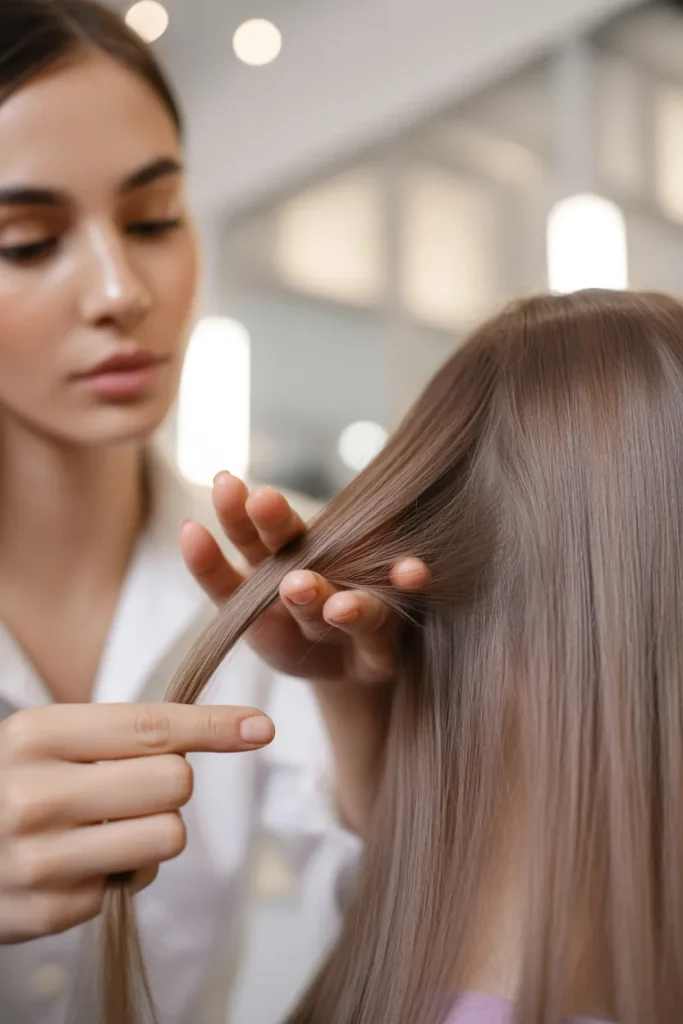
- Helps explain the purpose of keratin smoothing clearly.
- Focuses on hair condition rather than dramatic styling.
- Works especially well for frizz-prone, coarse, or unruly hair.
- Creates a smoother-looking surface with better manageability.
- A consultation helps determine whether treatment suits the hair.
- Particularly useful before committing to chemical processing.
- Best viewed as a maintenance-focused salon service.
What is a keratin treatment really supposed to do? Think of it as a salon smoothing service designed to make hair easier to manage, especially when humidity, rough texture, or repeated styling creates unwanted frizz. Instead of changing your natural identity, the process focuses on improving the feel and appearance of the hair surface. After treatment, many people notice smoother strands, more controlled volume, and easier brushing. In my experience, the biggest benefit is often the reduced effort during everyday routines. Hair can look polished without requiring constant heat styling. Results vary because porosity, texture, previous color, and aftercare all influence the outcome.
Understanding the process makes maintenance much easier. A stylist generally assesses the hair first, then applies a smoothing formulation, processes it according to its instructions, and uses controlled heat to finish the service. The exact procedure can differ between products and salons, so professional guidance matters. Keratin services are not identical to permanent straightening, and the final result depends on the formula and starting texture. Afterward, gentle cleansing, conditioning, and careful heat use can help preserve smoothness. If your hair is highly porous or chemically processed, discussing its history beforehand is especially important. Good results begin with realistic expectations, not simply choosing the strongest formula available.
Porosity Prep Routine
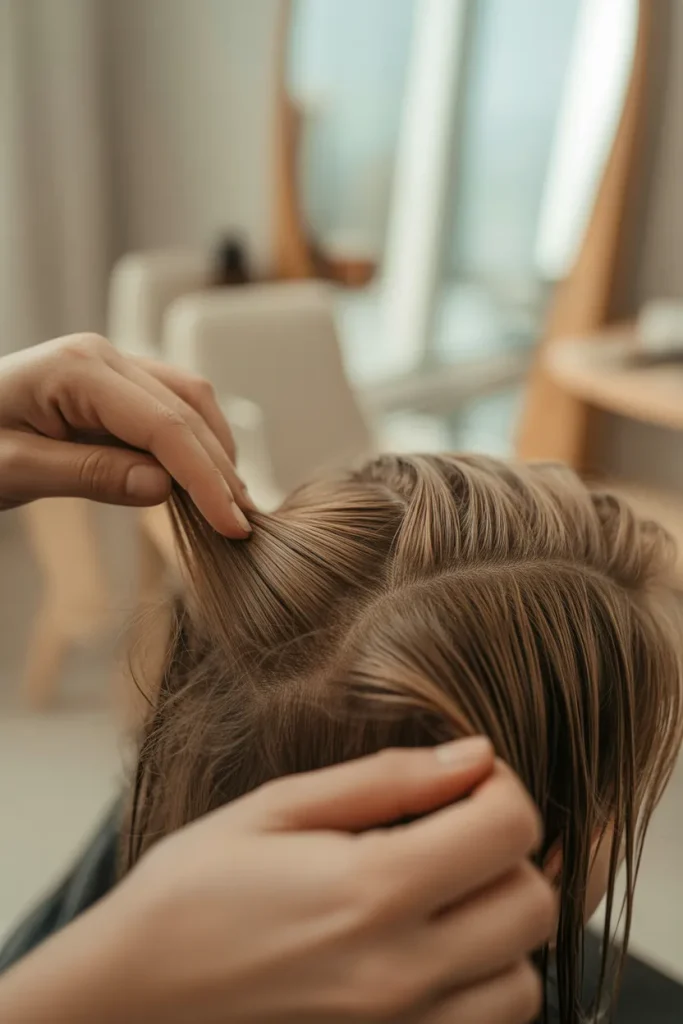
- Porosity strongly influences how hair responds to treatments.
- A consultation can reveal areas needing extra attention.
- Damaged ends may require gentler handling.
- Clarifying beforehand can help remove styling buildup.
- Avoid aggressive brushing when hair is fragile.
- Previous bleach and color history should be disclosed.
- Preparation helps create a more predictable salon experience.
Hair that feels rough does not always need more product. Sometimes, its porosity is the bigger clue. Highly porous strands absorb moisture quickly but can also lose it just as fast, leaving the surface looking dull or frizzy. Before smoothing services, I’ve noticed that stylists pay close attention to these differences because two clients with similar hair lengths can respond very differently. A thoughtful assessment considers previous bleaching, coloring, heat exposure, and the condition of the ends. This preparation step helps prevent unrealistic expectations. Healthy-looking results begin before the treatment starts, especially when the goal is softness, shine, and easier daily maintenance.
At home, preparation can be simple rather than complicated. Avoid piling on heavy oils, waxes, or layers of styling products immediately before a salon appointment unless your stylist specifically recommends them. Follow the salon’s cleansing instructions and arrive with the hair in the condition requested. If your ends split easily, mention that before processing begins. A stylist may adjust application or timing based on the hair’s needs and the chosen professional formula. I’ve seen this consultation make a noticeable difference in how comfortable clients feel because they understand what will happen. Clear communication also makes aftercare recommendations easier to follow once the appointment ends.
Humidity Defense Routine
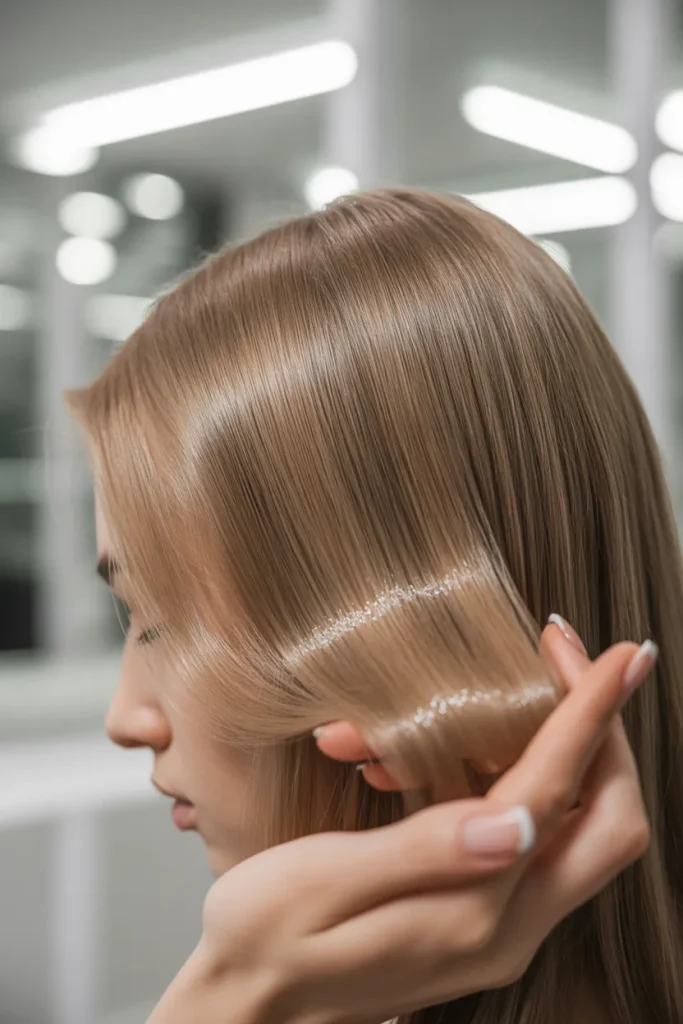
- Helps reduce the visual impact of humidity-driven frizz.
- Supports smoother-looking hair during damp weather.
- Lightweight products can prevent unnecessary heaviness.
- Gentle drying techniques help maintain surface smoothness.
- Useful for naturally frizzy or expanded textures.
- Especially practical during humid seasons.
- Works best with consistent cleansing and conditioning habits.
Humidity can turn a carefully finished head of hair into a fuzzy halo surprisingly quickly. Smoothing treatments can make the surface feel more controlled, but daily habits still matter. The goal is not to make hair completely immune to weather. Instead, good care helps reduce unnecessary swelling, friction, and surface roughness. I’ve noticed that clients often get better-looking results when they stop overworking their hair after washing. Rough towel drying, repeated brushing, and excessive heat can undo some of that polished appearance. A soft towel, gentle detangling, and controlled drying create a much calmer routine for hair exposed to humid conditions.
Your product choices can also influence how hair behaves outside. Look for a cleanser and conditioner compatible with your specific treatment instructions rather than automatically buying the most expensive option. A lightweight leave-in can help with detangling, while a heat protectant is useful whenever a dryer or iron enters the routine. On especially humid mornings, allowing hair to dry fully before heading outside can make the finish look more settled. Avoid constantly touching or reshaping the strands, since friction can create visible fuzz. In my experience, simple consistency beats an overloaded routine. A few appropriate products used correctly usually make maintenance easier than a crowded bathroom shelf.
Gentle Wash Method
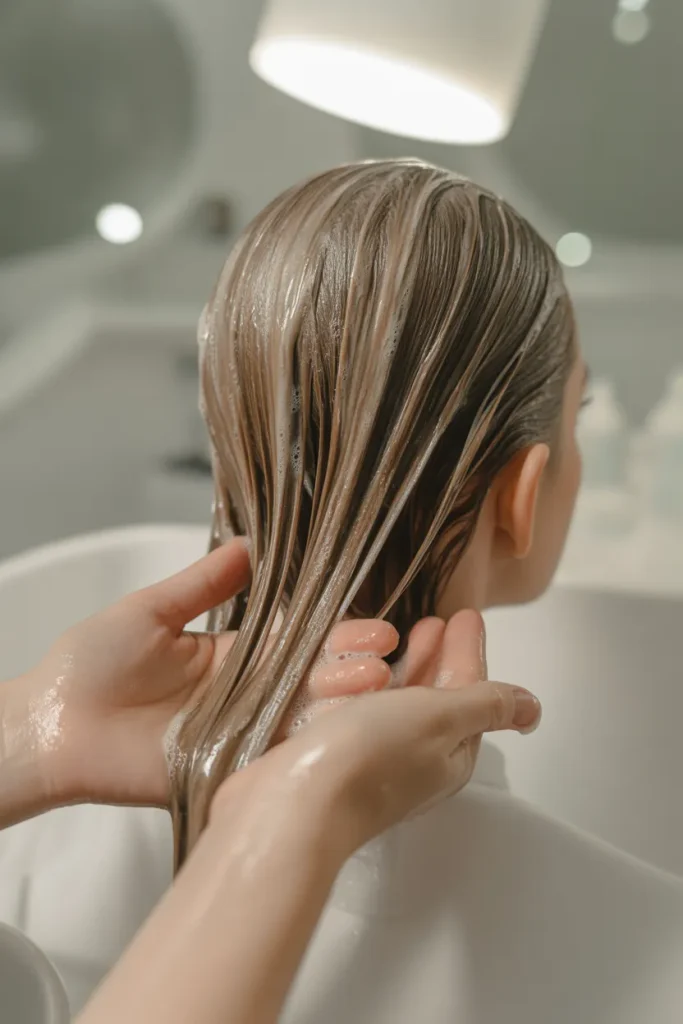
- Gentle cleansing can help maintain a polished surface.
- Lukewarm water is generally more comfortable than very hot water.
- Focus cleanser on the scalp rather than aggressively rubbing lengths.
- Condition the mid-lengths and ends carefully.
- Detangle gradually instead of pulling through knots.
- Follow product-specific post-treatment instructions.
- Washing frequency should match scalp needs.
A beautiful finish can lose its softness when washing becomes unnecessarily rough. The better approach is to treat freshly smoothed hair gently from scalp to ends. Wet the hair thoroughly, then massage cleanser primarily around the scalp using your fingertips rather than scraping the lengths. Let the lather travel through the hair naturally as you rinse. Follow with conditioner through the mid-lengths and ends, paying attention to areas that feel dry. I’ve noticed that clients often blame shampoo when the real issue is aggressive washing technique. Softer handling reduces friction and helps the hair feel smoother, more flexible, and easier to detangle afterward.
Water temperature also deserves attention. Very hot showers can leave the hair feeling drier, particularly when the strands are already processed or naturally coarse. Lukewarm water is a practical middle ground that keeps washing comfortable without turning the routine into a complicated ritual. After rinsing, squeeze excess water gently instead of twisting the hair into a tight bundle. Use a soft towel or microfiber material to blot rather than vigorously rub. If your salon supplied specific cleansing instructions, follow those first because formulas differ. Consistent technique matters more than collecting numerous products. A calm washing routine protects the appearance you worked to achieve.
Silk Pillow Routine
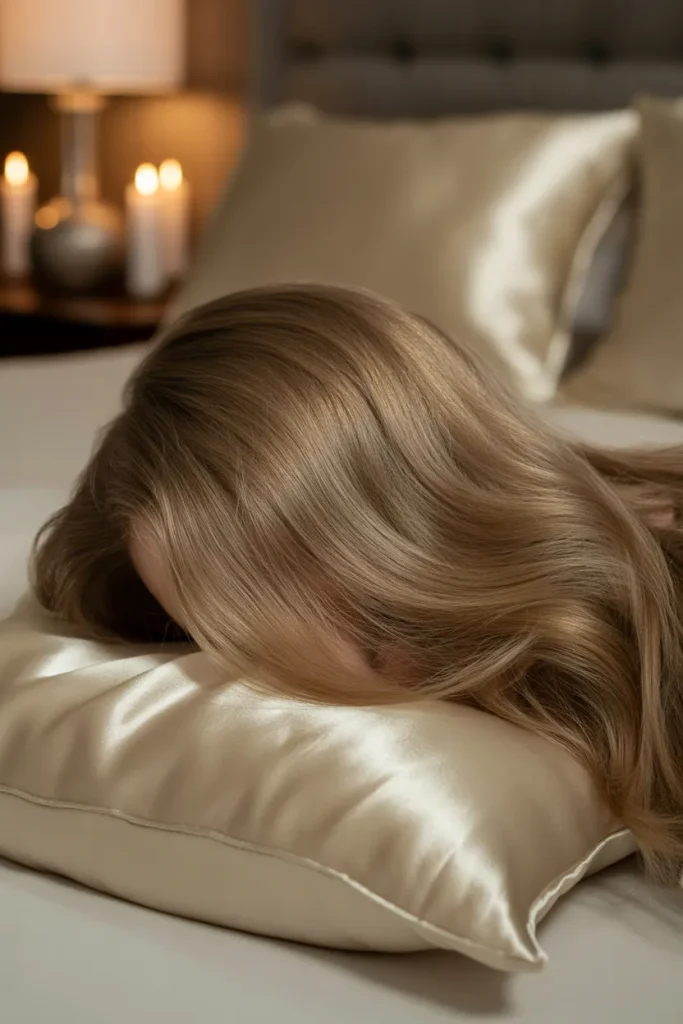
- Reduces friction during sleep.
- Helps minimize morning tangling and surface roughness.
- Useful for longer or easily tangled hair.
- Loose nighttime positioning can protect the finish.
- Avoid sleeping with soaking-wet hair.
- A smooth pillow surface can complement gentle care.
- Particularly helpful when preserving a polished appearance matters.
Nighttime care is easy to overlook, yet several hours of friction can affect how hair looks the next morning. Smooth pillow surfaces can reduce the rubbing that encourages tangles, flattened sections, and rough-feeling ends. For treated hair, this small habit can make mornings easier because there is less aggressive brushing required to restore order. I’ve noticed that people often spend more time fixing overnight tangling than they would have spent preventing it. Keeping the hair dry before bed, arranging it loosely, and avoiding tight elastics can also help. The goal is simple: reduce unnecessary friction while allowing the hair to rest naturally.
There is no need to create an elaborate bedtime ritual. Brush gently with a suitable detangling tool, remove any stubborn knots from the ends first, and then work upward. If the hair is long, a loose, low arrangement can prevent excessive movement without creating tension. Avoid tight buns or ponytails that leave strong bends in the treated strands. If your scalp becomes oily overnight, prioritize scalp comfort rather than forcing a rigid washing schedule. Your routine should fit your hair and lifestyle. A consistent, gentle approach usually works better than copying every viral hair-care trick circulating online, especially when your strands have already undergone salon processing.
Heat Shield Routine
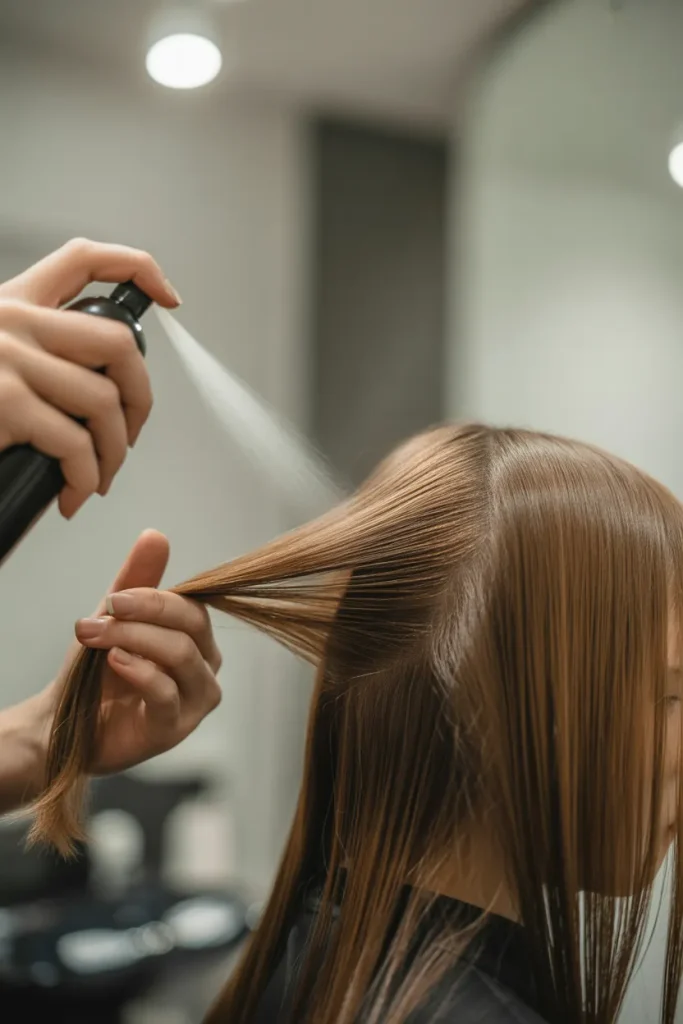
- Heat protectant helps reduce unnecessary styling stress.
- Controlled dryer temperature supports gentler maintenance.
- Sectioning makes blow-drying more even.
- Keep hot tools moving rather than holding them still.
- Avoid repeated passes over the same section.
- Useful for clients who style frequently.
- Particularly important for processed or fragile lengths.
Heat styling can make smooth hair look exceptionally polished, but too much heat can work against long-term hair quality. A heat protectant should be considered part of the routine whenever hot tools or high-temperature drying are used. Apply it according to the product directions, distribute it evenly, and allow the hair to reach the appropriate dampness before styling. I’ve noticed that controlled sectioning often produces a smoother result than simply turning the dryer to its highest setting. The technique matters. Moderate heat, steady airflow, and fewer repeated passes can create a refined finish while reducing unnecessary exposure.
A useful habit is to dry the roots and scalp area appropriately before concentrating on the lengths. Keep the dryer moving and maintain a reasonable distance from the hair rather than pressing intense heat directly onto one spot. If using a flat iron, make sure the hair is completely dry unless the tool is specifically designed for damp use. One slow, controlled pass is generally preferable to repeatedly correcting the same section. If the ends begin feeling brittle, reduce heat frequency and discuss the condition with your stylist. In my experience, polished hair is easier to maintain when styling becomes precise instead of aggressive.
Scalp Balance Care
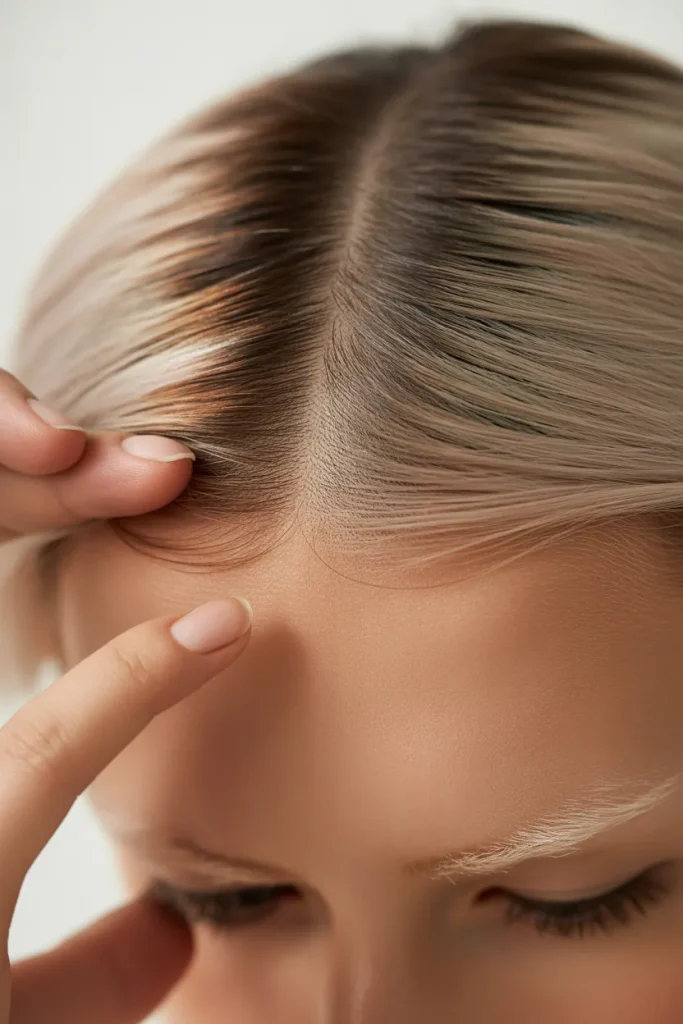
- Scalp care remains important after smoothing services.
- Avoid applying heavy products directly to the scalp unnecessarily.
- Gentle massage can make washing feel more comfortable.
- Product buildup may affect how fresh roots appear.
- Washing frequency should reflect individual scalp needs.
- Keep lengths moisturized without overwhelming the roots.
- Professional advice helps when persistent scalp discomfort occurs.
Smooth lengths can attract attention, but healthy-looking hair begins at the scalp. A keratin-focused routine should never mean ignoring what happens at the roots. If the scalp becomes oily, uncomfortable, or weighed down by product residue, adjust cleansing habits instead of repeatedly adding dry shampoo or styling products. I’ve noticed that many people apply conditioner too close to the scalp, then wonder why their roots look flat. Keeping richer products mainly through the lengths can create better balance. Gentle fingertip massage during cleansing is enough; aggressive scratching is unnecessary. The aim is a clean, comfortable scalp paired with manageable, conditioned lengths.
Scalp needs vary from person to person, so there is no universally correct washing schedule. Someone with an active lifestyle or naturally oily scalp may need more frequent cleansing, while another person with a drier scalp may prefer longer intervals. Treatment maintenance should fit those realities. If a product causes persistent irritation, unusual redness, or discomfort, stop using it and seek appropriate professional advice. Do not assume that stronger cleansing is always better. For everyday care, choose products according to your scalp and hair condition, then keep the routine consistent. A balanced approach can support a cleaner foundation without sacrificing the softness of treated lengths.
Lightweight Moisture Plan
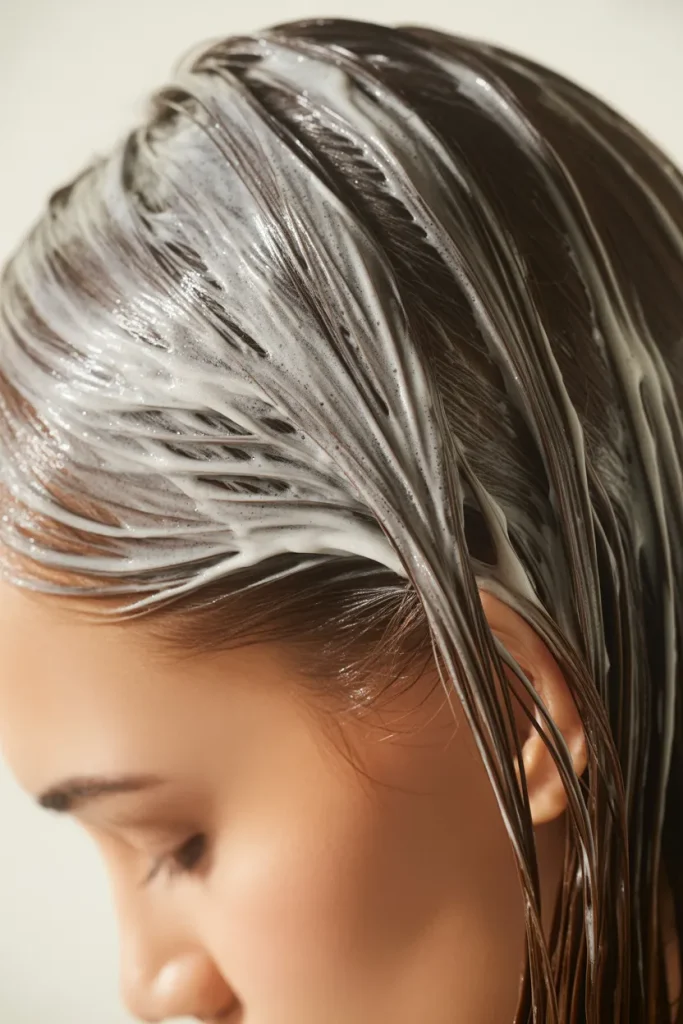
- Lightweight moisture can improve softness without excessive heaviness.
- Concentrate richer products on drier lengths.
- Fine hair often benefits from smaller product amounts.
- Coarse hair may tolerate more conditioning.
- Regular conditioning supports easier detangling.
- Adjust moisture according to seasonal changes.
- Product buildup should be managed through appropriate cleansing.
Soft hair does not necessarily mean heavily coated hair. After a smoothing service, the best conditioning routine often depends on the natural thickness, porosity, and dryness of the strands. Fine hair can become limp when overloaded, while coarse or porous hair may need richer conditioning. Start with a modest amount and distribute it through the mid-lengths and ends. I’ve noticed that clients frequently use more product than necessary because they expect extra conditioner to equal extra softness. In reality, even distribution and correct placement can matter more. The ideal result feels supple and manageable rather than greasy, coated, or difficult to style.
Seasonal changes can also alter what your hair needs. Winter air may make ends feel drier, while humid weather can increase the desire for smoother, lighter finishes. Instead of changing everything at once, adjust one product or step and observe how your hair responds. A lightweight leave-in can be useful when detangling, especially for longer lengths, but it should not replace the conditioner your hair needs during washing. If your strands become dull or heavy, reassess product quantity and buildup. Good hair care is responsive. The routine should evolve with your hair rather than following a fixed formula throughout the entire year.
Frizz Control Layering
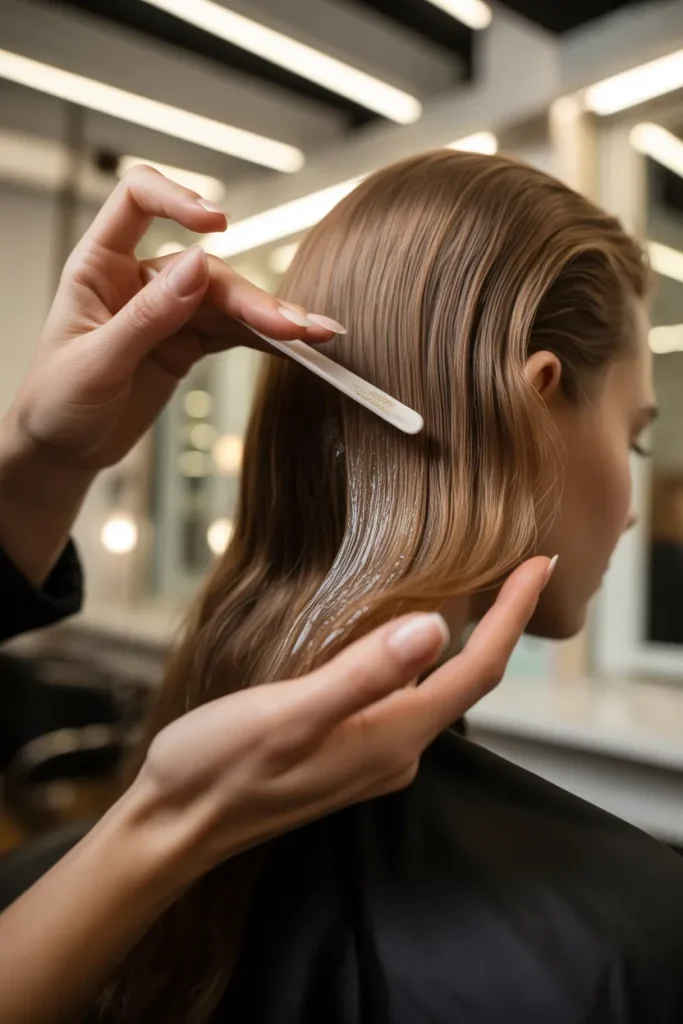
- Layer products from lightest to richest when appropriate.
- Avoid combining too many smoothing products.
- Concentrate finishing products on visible flyaways.
- Use a small amount first and build gradually.
- Excess product can make hair look dull.
- Helpful for controlling humidity-related surface fuzz.
- Works well before polished everyday styling.
Frizz control works best when it is treated as a layering problem rather than a product race. Start with clean, conditioned hair, then use a lightweight leave-in or smoothing product if needed. Once the hair is dry, a tiny amount of finishing serum can target visible flyaways. I’ve noticed that starting with too much product often creates the opposite of the desired effect: strands become heavy, separated, and less naturally reflective. Use your fingertips to distribute a small amount through the surface instead of coating every section. This approach preserves movement while creating a cleaner, more polished appearance.
Different textures may need different strategies. Fine strands often need minimal product, while thick or highly porous hair can tolerate more controlled layering. If your hair already feels smooth after treatment, you may need only a small amount on the ends or around the hairline. Avoid repeatedly adding serum throughout the day because buildup can accumulate quickly. Instead, use a soft brush or clean hands to reshape the surface first. If humidity is high, protect the hair from unnecessary friction and moisture exposure where practical. The best routine feels almost invisible: your hair remains flexible, touchable, and naturally responsive instead of stiff or coated.
Split End Maintenance
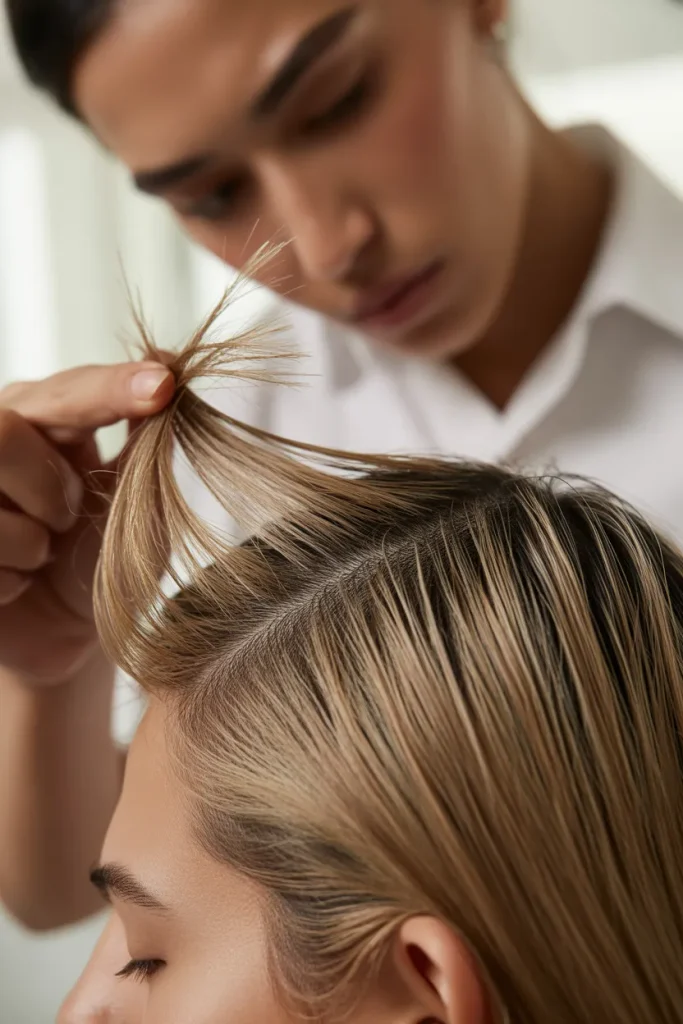
- Keratin treatments cannot permanently repair split ends.
- Regular trims help maintain a cleaner-looking perimeter.
- Gentle detangling reduces unnecessary pulling.
- Heat should be used carefully around fragile ends.
- Conditioning helps improve softness and manageability.
- Watch for increased snapping or roughness.
- Discuss damaged areas with a professional stylist.
Smoothness can make damaged ends look temporarily more polished, but it does not permanently repair a split strand. Once an end has physically separated, trimming is the reliable way to remove that damaged portion. This distinction matters because beautiful surface shine can sometimes hide underlying weakness. I’ve noticed that clients are often surprised when their hair still needs regular trims after a smoothing service. The treatment can improve manageability, but maintenance remains essential. Gentle brushing, controlled heat, regular conditioning, and careful handling all reduce additional stress. Keeping the ends tidy also helps the overall hair look healthier and more intentional between appointments.
Pay attention to changes in texture rather than waiting for obvious breakage. If the ends begin catching on clothing, tangling unusually quickly, or feeling rough despite conditioning, schedule a professional assessment. A small trim may be enough, depending on the condition. Avoid repeatedly ironing damaged ends in an attempt to make them look sleek, because temporary smoothness can hide continued stress. If your hair has been bleached, colored, or chemically processed before smoothing, tell your stylist. Hair history helps determine appropriate maintenance. In my experience, realistic trimming habits are one of the simplest ways to keep salon-treated hair looking polished over time.
Post-Treatment Patience
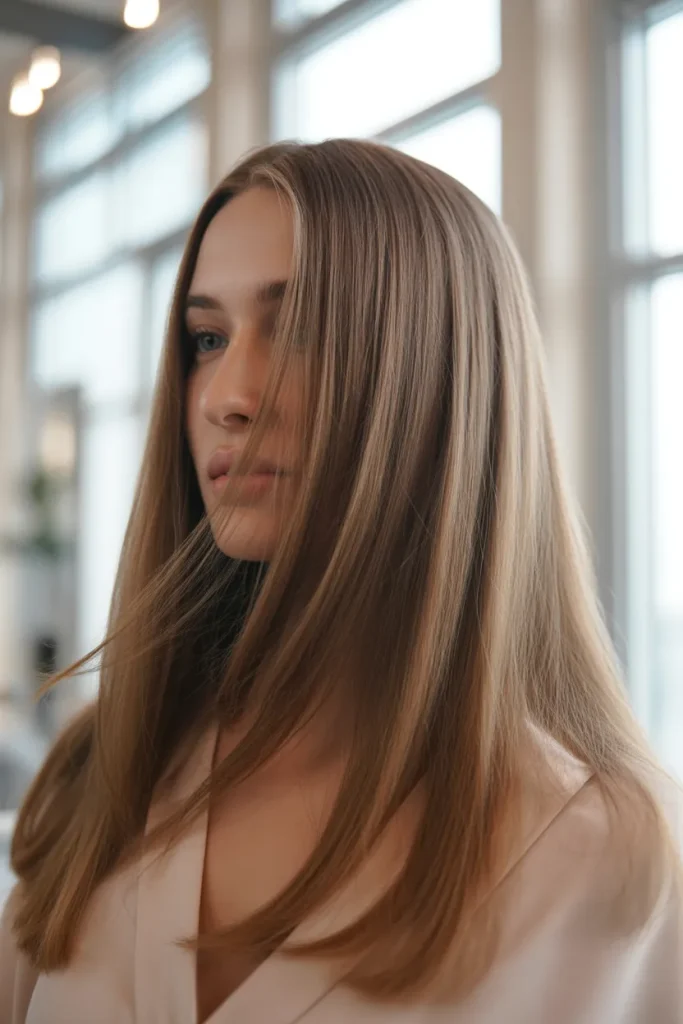
- Follow the specific waiting instructions given by your stylist.
- Avoid guessing when a product has different requirements.
- Handle freshly treated hair gently.
- Keep unnecessary tension away from the strands.
- Ask questions before washing or styling differently.
- Record the treatment date for future planning.
- Consistency helps simplify maintenance.
The first days after a professional smoothing service deserve patience. Different formulations can have different instructions, so there is no universal rule about exactly when to wash, tie, wet, or style the hair. Follow the directions provided for the specific product used at your appointment. I’ve noticed that problems often happen when clients combine advice from several unrelated treatments and assume every keratin service behaves identically. Instead, keep the instructions from your stylist and product documentation available. When something is unclear, asking before experimenting is far easier than trying to correct an unwanted result afterward.
During the initial maintenance period, avoid unnecessary manipulation. Tight elastics, aggressive brushing, excessive heat, and random styling experiments can create avoidable stress. If your stylist recommends a particular cleansing schedule or product category, follow that guidance consistently. Keep a note of the treatment date and the products used, especially if you visit different salons later. This information can help future stylists understand your hair history. If your hair feels unusually dry, fragile, or uncomfortable after the service, contact the professional who performed it rather than adding multiple corrective products. Calm, informed aftercare gives your hair the best chance to settle naturally.
Color Compatibility Check
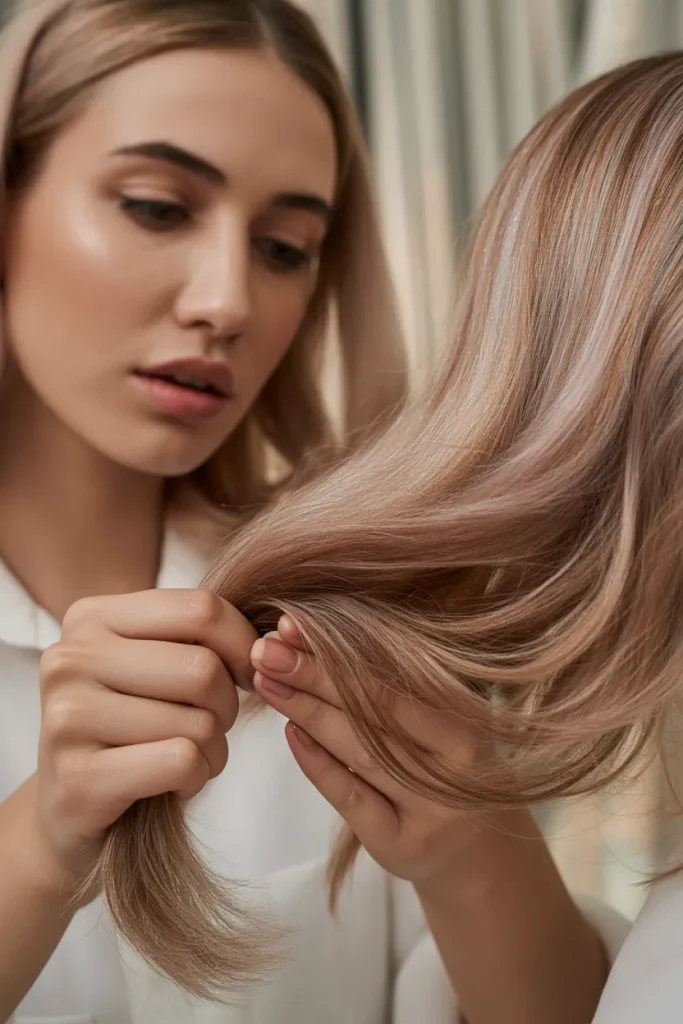
- Color history should always be discussed before treatment.
- Bleached hair may need especially careful assessment.
- Timing between services can depend on the products involved.
- Smoothness and color goals should be planned together.
- Avoid assuming every formula suits heavily processed hair.
- Professional consultation reduces avoidable surprises.
- Maintenance should protect both appearance and hair condition.
Color-treated hair can absolutely be part of a smoothing conversation, but the two services should be planned together. Previously colored, highlighted, or bleached strands may have different levels of porosity and strength, which can affect how they respond. If your hair contains several rounds of chemical processing, tell the stylist exactly what has been done recently. I’ve noticed that complete honesty about color history makes consultations much more useful. Even an older bleaching session can matter when the ends remain porous. A professional can then consider the condition, timing, and appropriate product instructions rather than treating every head of hair identically.
Color maintenance also deserves attention after smoothing. Some treatments or cleansing routines may affect how vibrant freshly colored hair appears, while frequent heat styling can make the surface look less reflective over time. Ask your stylist how the two services should be scheduled and maintained together. Avoid making major color changes immediately after a smoothing service without professional guidance. When both goals are coordinated, you can work toward softness and color longevity without creating an unnecessarily complicated routine. The key is planning. Hair can look beautifully polished when treatment history, color goals, cleansing habits, and heat use are considered as one complete care strategy.
Fine Hair Balance
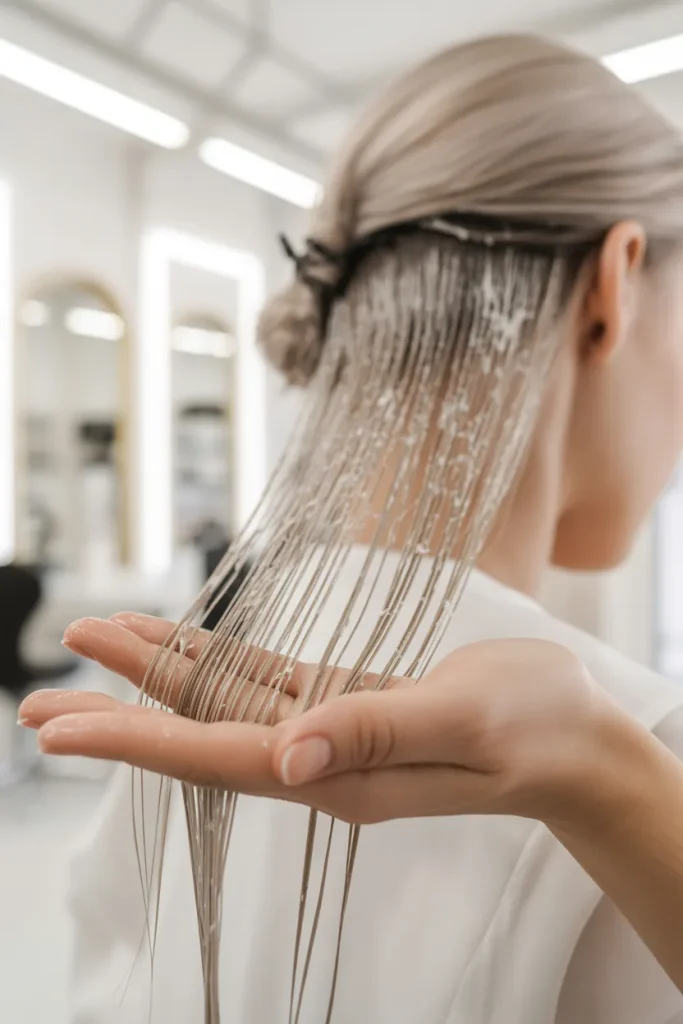
- Fine strands can become weighed down easily.
- Smaller product quantities are often a useful starting point.
- Avoid applying rich conditioner heavily near the roots.
- Lightweight leave-ins may suit delicate lengths.
- Gentle drying helps preserve natural movement.
- Minimal layering can maintain a fresher appearance.
- Regular trims help prevent fine ends from looking wispy.
Fine hair benefits from restraint. When strands are delicate, adding multiple rich products can make them look flat rather than beautifully smooth. A keratin-focused routine should therefore emphasize lightweight conditioning, careful application, and controlled styling. Start with a small amount of product, distribute it evenly, and add more only when the hair genuinely needs it. I’ve noticed that fine-haired clients often get better results when they stop trying to recreate the heavy moisture routine recommended for much thicker textures. The goal is softness without sacrificing movement. Hair should still feel airy, flexible, and naturally responsive after drying.
The placement of products matters just as much as the formula. Keep richer conditioners and smoothing creams away from the scalp unless your stylist specifically recommends otherwise. Focus on areas that become dry or tangled, usually through the mid-lengths and ends. When blow-drying, use moderate airflow and avoid flattening the roots unnecessarily if you prefer natural lift. A lightweight heat protectant can support frequent styling without adding excessive residue. If your hair starts looking dull or limp, reduce the number of layers before buying another product. In my experience, fine hair often looks its best when the routine is edited down rather than continually expanded.
Coarse Hair Softening
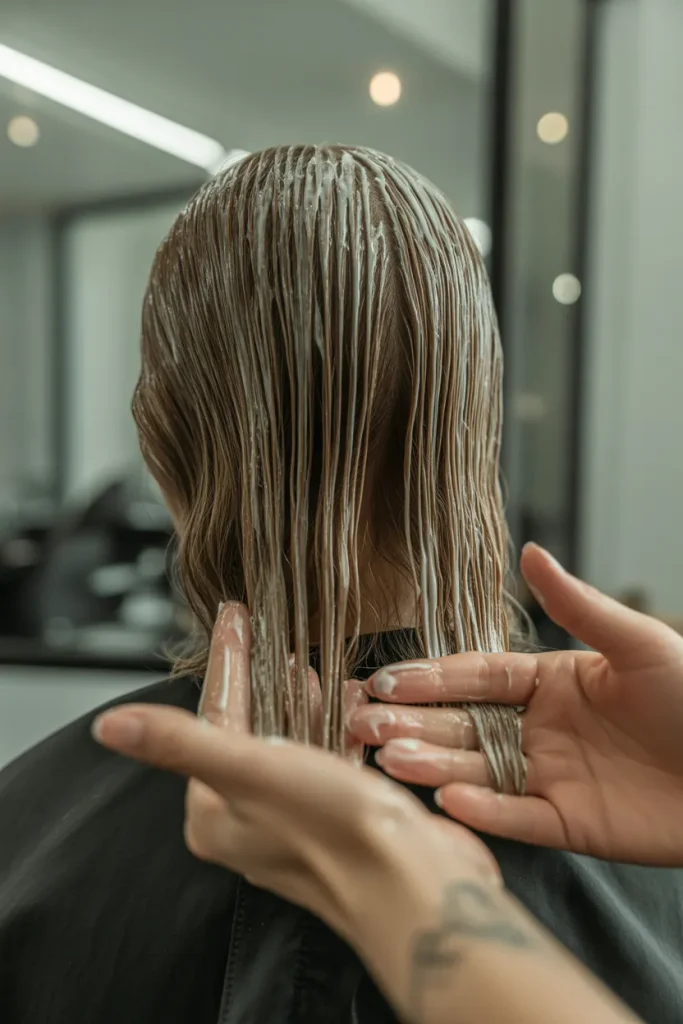
- Coarse hair may benefit from more substantial conditioning.
- Sectioning helps distribute products evenly.
- Focus moisture on lengths and ends.
- Controlled heat can help smooth dense sections.
- Avoid rushing through thick hair during drying.
- Detangle gradually from ends upward.
- Regular maintenance keeps the texture easier to manage.
Thicker, coarser hair often needs a different maintenance strategy because there is simply more density to manage. A smoothing service may reduce the effort required for detangling and drying, but the hair still benefits from deliberate conditioning. Work product through manageable sections instead of spreading everything over the surface at once. I’ve noticed that dense hair responds especially well when conditioner is distributed patiently rather than quickly rubbed over the outside. After rinsing, separate the hair into sections for drying and detangling. This creates more even airflow and reduces the temptation to repeatedly attack one stubborn area with excessive heat.
Coarse texture can also become dry at the ends while the scalp remains comfortable, so product placement is important. A richer conditioner or mask may be appropriate depending on the hair’s condition, but use it according to the product instructions. During drying, direct airflow along the hair rather than constantly blasting upward against the surface. A suitable brush can help smooth sections gradually without excessive pulling. If the hair feels stiff or coated, reassess product quantity rather than automatically adding more moisture. Good care should make thick hair feel softer and more manageable while preserving its natural density, movement, and healthy-looking texture.
Air-Dry Recovery
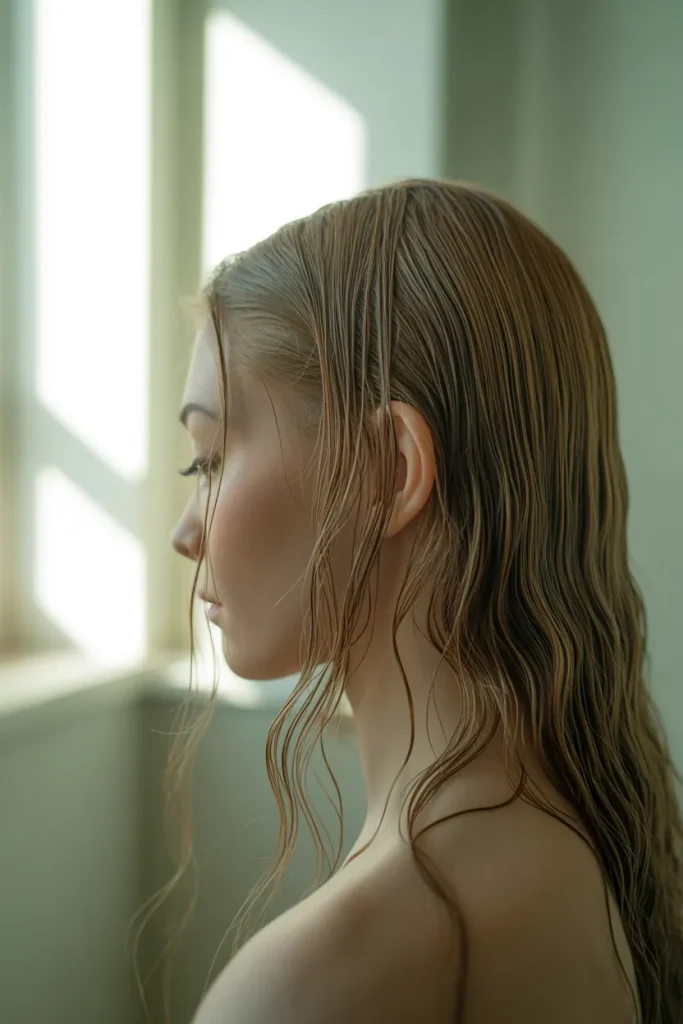
- Air-drying can reduce dependence on frequent heat styling.
- Results depend on natural texture and hair density.
- Gentle detangling is important while hair remains wet.
- Avoid sleeping with wet hair.
- Lightweight leave-in products may support easier drying.
- Letting hair dry naturally can reveal its true texture.
- Useful on low-styling days and relaxed weekends.
Not every smooth-hair day needs a blow dryer. Allowing hair to air-dry occasionally can reduce the amount of heat used throughout the week, especially when your natural texture already looks controlled after treatment. Start by gently removing excess water, apply only the products your hair needs, and detangle carefully from the ends upward. I’ve noticed that air-drying works particularly well on relaxed days when the goal is healthy-looking, touchable hair rather than a highly polished finish. The result may not resemble a salon blowout, and that is perfectly fine. Hair care should include lower-effort days that give strands a break.
Air-drying also helps you understand how your hair behaves without mechanical shaping. Fine hair may dry quickly, while dense or coarse hair can remain damp much longer. Avoid tying wet hair tightly because prolonged moisture and tension can create unnecessary stress. If your hair takes hours to dry, use gentle airflow on a low or moderate setting instead of forcing a completely natural dry. Keep the scalp comfortable and make sure the hair is fully dry before sleeping. This flexible approach can reduce heat exposure without turning air-drying into a strict rule. The best routine balances convenience, hair condition, and your preferred appearance.
Conclusion
Beautifully managed hair does not have to mean spending hours styling every morning. The right care habits can make smoothness, softness, shine, and easy manageability much simpler to maintain. Understanding what is a keratin treatment is a useful first step, but thoughtful aftercare matters just as much. From gentle washing and lightweight moisture to heat protection, humidity control, scalp care, and regular trims, small choices can create a noticeable difference over time. I’ve seen how consistent hair care can transform not only the way hair looks, but also how confident and comfortable someone feels. Save this guide on Pinterest, try the routines that suit you, and share it with someone who could use easier, happier hair days.