15 Tips for Choosing a New Hairstyle That Suits You
Ever looked at a gorgeous hairstyle on Pinterest and wondered whether it would actually suit you? The right haircut can transform your entire look, but choosing one isn’t always easy.
Choosing new hairstyle options becomes much simpler when you understand what works with your face shape, hair texture, lifestyle, and personal style. A beautiful haircut should not only look amazing in photographs but also feel comfortable and manageable in everyday life. Whether you’re considering a chic bob, soft layers, a modern pixie, or long flowing waves, the best choice is one that makes you feel confident. In my experience, paying attention to natural hair movement and daily styling habits makes a huge difference. This guide brings together 15 inspiring tips to help you discover flattering, modern hairstyles and find a look you’ll genuinely love wearing.
Sculpted French Bob
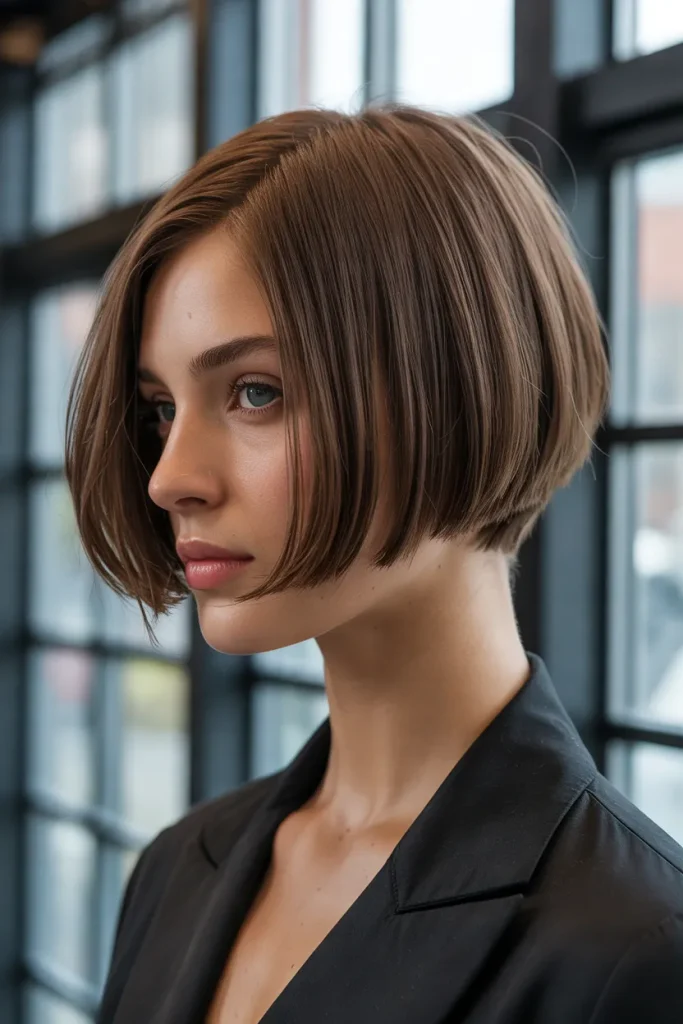
- Creates a polished silhouette that draws attention to the jawline.
- Works beautifully with naturally straight or slightly wavy hair.
- Soft internal layers prevent the shape from looking overly stiff.
- Pairs effortlessly with minimalist outfits and statement earrings.
- Requires regular trimming to preserve its precise outline.
- A flattering option for anyone wanting a noticeable shorter cut.
A sculpted French bob delivers an instant style transformation without demanding complicated daily routines. Its compact length creates a defined outline, while softly curved ends give the haircut a relaxed, expensive-looking finish. I particularly like how this shape brings attention toward the cheekbones and jaw without needing dramatic layers. Ask your stylist to adjust the length according to your facial proportions and natural hair density. A slightly longer front can soften angular features, while a shorter outline creates a bolder editorial effect. This is an appealing choice when you want something modern, confident, and easy to personalize.
Before committing, consider how your hair behaves after washing rather than judging the cut only by a salon blowout. Straight strands usually display the geometry clearly, while loose waves create a softer, more casual finish. A stylist can remove hidden bulk inside thicker hair so the shape sits neatly instead of expanding outward. Fine hair may benefit from a clean perimeter that makes the ends appear fuller. Styling takes little effort with a lightweight smoothing cream and a small round brush. For a relaxed finish, allow the hair to air dry partially before refining just the front sections.
Airy Butterfly Layers
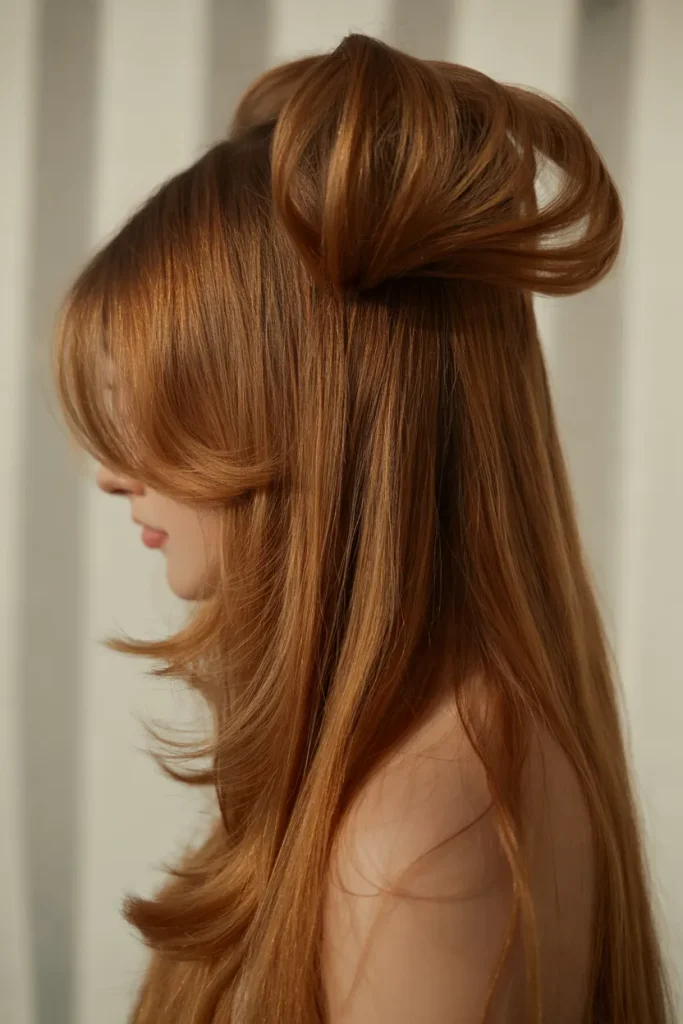
- Maintains long overall length while introducing visible movement.
- Shorter front sections create a flattering frame around the face.
- Crown layers add lift without requiring a short haircut.
- Looks especially beautiful with a soft salon blowout.
- Works on medium to thick hair with enough length for layering.
- Regular shaping keeps the shorter sections from losing definition.
Long hair can feel completely different when carefully placed layers introduce movement around the face. Butterfly layers create a cascading silhouette, combining shorter front pieces with longer lengths that preserve the overall appearance of fullness. The result feels glamorous without looking excessively styled. This shape is particularly useful when you love your length but feel that your current haircut hangs flat. A stylist can position the shortest pieces near the cheekbones, chin, or collarbone depending on the effect you prefer. The layered outline also makes a simple blowout look more dimensional, especially when the ends curve away from your face.
Hair density matters when deciding how dramatic these layers should become. Thick hair can usually support stronger internal shaping, while fine hair often looks better with fewer, carefully positioned layers that protect the ends. Bring reference photographs showing the front and back because the silhouette changes significantly with layer placement. A large round brush can lift the shorter sections, while a medium barrel creates movement through the longer lengths. On busy mornings, refresh the front pieces instead of restyling everything. If you regularly wear ponytails, ask your stylist to check that the shortest sections can still be secured comfortably.
Glass Hair Lob
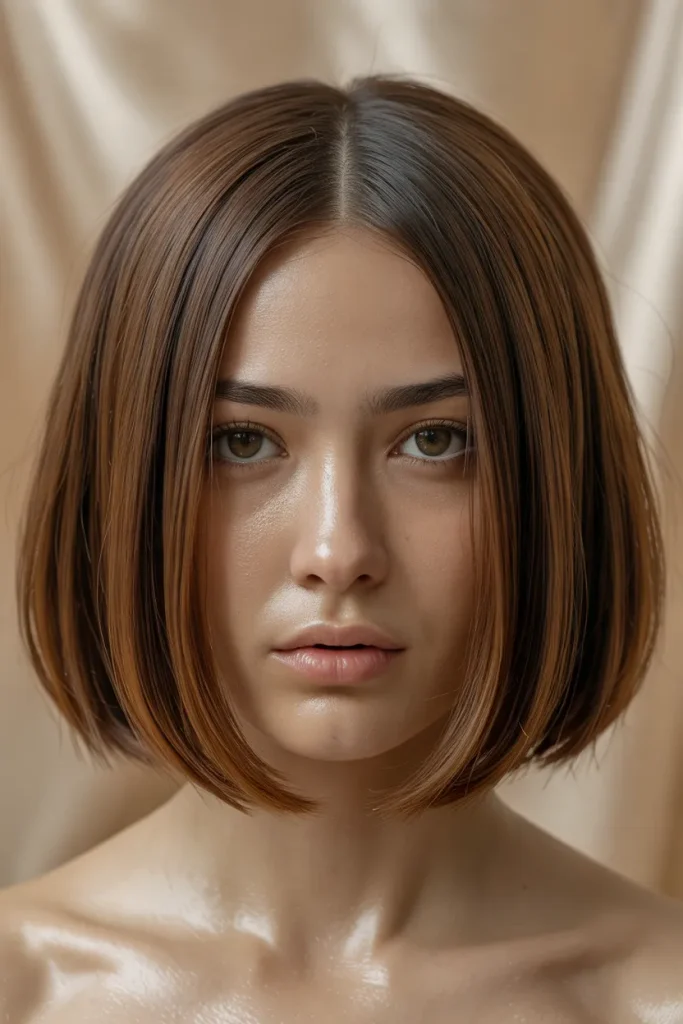
- Gives a refined, clean appearance with minimal visual clutter.
- Blunt ends create the impression of a dense perimeter.
- Collarbone length offers more styling flexibility than a short bob.
- Looks striking with a center or softly shifted side part.
- Best suited to straight or easily smoothed hair textures.
- Heat protection helps maintain a polished finish during styling.
If you love sleek hairstyles, a glass hair lob offers a beautifully balanced change. The length rests around the collarbone, creating a sharp outline that feels sophisticated without becoming difficult to manage. Its smooth finish reflects light across the surface, making healthy-looking hair the main feature. Unlike heavily layered cuts, this shape keeps the ends visually substantial and allows simple outfits to feel more intentional. It can also be tucked behind the ears for a cleaner profile. When choosing your length, consider whether you want the ends to sit above the collarbone or graze it for a softer, more flexible silhouette.
The best result comes from matching the cut to your natural texture and daily styling habits. Naturally straight hair usually needs less preparation, while curls and waves may require a smoothing routine to maintain the glass-like appearance. A stylist can create a slightly softened perimeter if an extremely blunt finish feels too severe. Use a heat protectant before blow-drying, then finish with a small amount of lightweight shine serum rather than heavy oil. Avoid applying too much product near the roots, as it can make the style appear flat. This haircut works especially well for professional settings, dinners, and polished everyday looks.
Textured Italian Shag
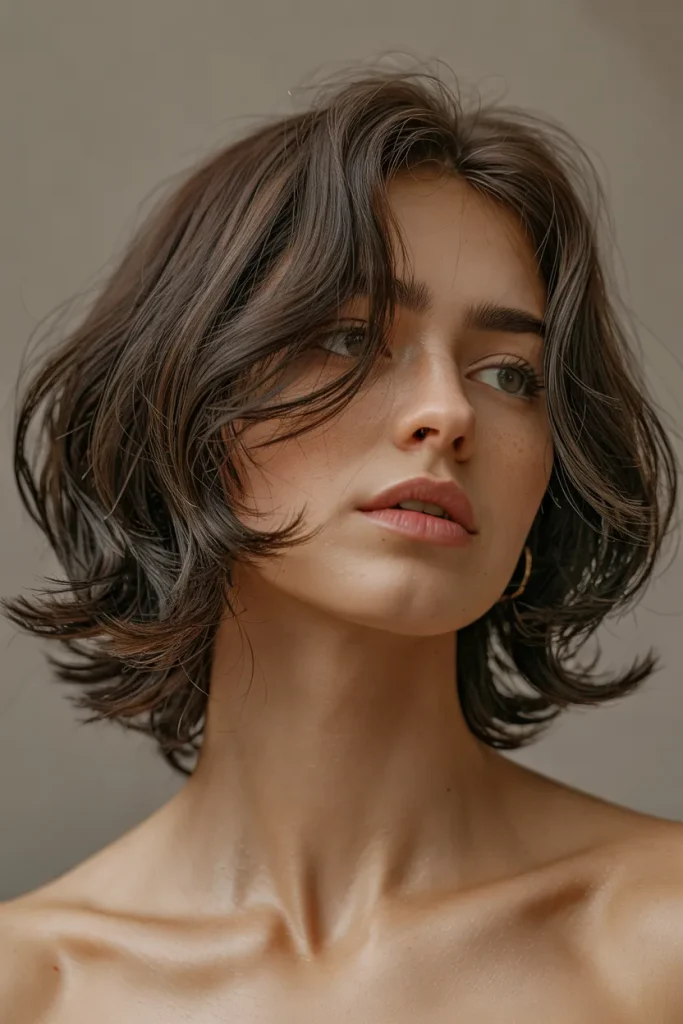
- Creates movement throughout the haircut instead of concentrating it at the ends.
- Rounded crown shaping gives the silhouette a fuller appearance.
- Softly separated layers create an effortless editorial finish.
- Particularly attractive on naturally wavy or textured hair.
- Styling cream enhances definition without making the hair look stiff.
- A personalized fringe can make the overall shape more distinctive.
A textured Italian shag brings personality to medium-length hair through rounded layers and deliberately relaxed movement. Instead of looking perfectly arranged, the haircut has a soft, lived-in finish that makes everyday styling feel less formal. Its crown volume creates a flattering outline, while the separated ends prevent the silhouette from appearing heavy. I would consider this shape when choosing a new hairstyle if your current cut feels too predictable or lacks natural movement. The beauty lies in its flexibility: it can look softly romantic with loose waves or more editorial when the texture is defined and slightly tousled.
The amount of layering should depend on how much volume your hair naturally holds. Dense hair may need internal weight removal to keep the sides from becoming bulky, while finer strands benefit from restrained shaping around the crown. Ask your stylist to show how the haircut will sit without a full blowout. A small amount of texturizing cream worked through damp lengths can encourage separation, and a diffuser helps preserve natural waves. If you prefer a smoother appearance, use a round brush only around the front and crown. The result is adaptable enough for casual weekends, creative workplaces, and relaxed evening plans.
Expensive Brunette Blowout
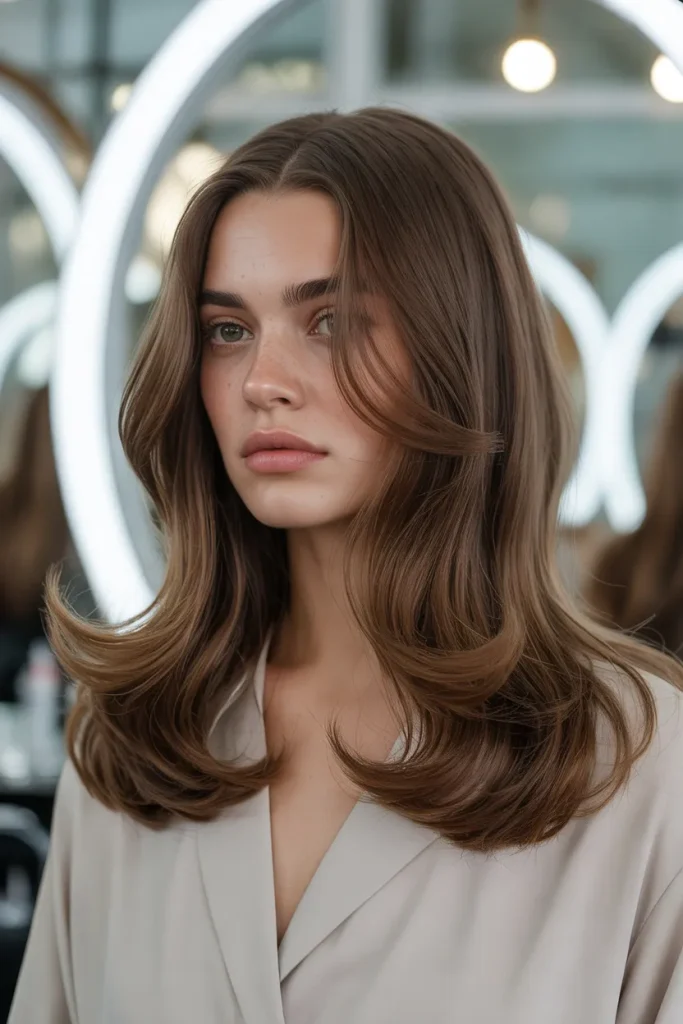
- Adds glamorous volume without relying on tight curls.
- Rounded ends create a smooth, flowing silhouette.
- Subtle color dimension enhances the appearance of depth.
- Suitable for medium and long hair with enough length to shape.
- Large rollers can help preserve the finished volume.
- Beautiful for celebrations, photographs, and elevated everyday styling.
An expensive brunette blowout makes familiar long hair look noticeably more luxurious through shape, shine, and controlled volume. The defining feature is its rounded movement rather than dramatic curls or excessive teasing. Hair falls in smooth sections, with lifted roots and ends that curve naturally around the shoulders. This finish works especially well when your current haircut already has a balanced outline but needs more visual polish. A stylist can use subtle layers to help the hair move while keeping enough weight for a full appearance. The overall effect feels elegant, camera-ready, and wearable beyond special occasions.
To choose this look successfully, think about the time you realistically want to spend styling your hair. A salon blowout may last longer when the roots are dried completely and the lengths are protected from humidity. Large rollers can create shape without forcing the hair into tight curls, while a wide paddle brush gives a softer result. If your hair is naturally fine, avoid excessive layering because it can reduce the fullness needed for this finish. For thicker hair, controlled internal shaping helps the ends move more freely. The style pairs beautifully with tailored clothing, evening dresses, and simple daytime outfits.
Curved Midi Cut
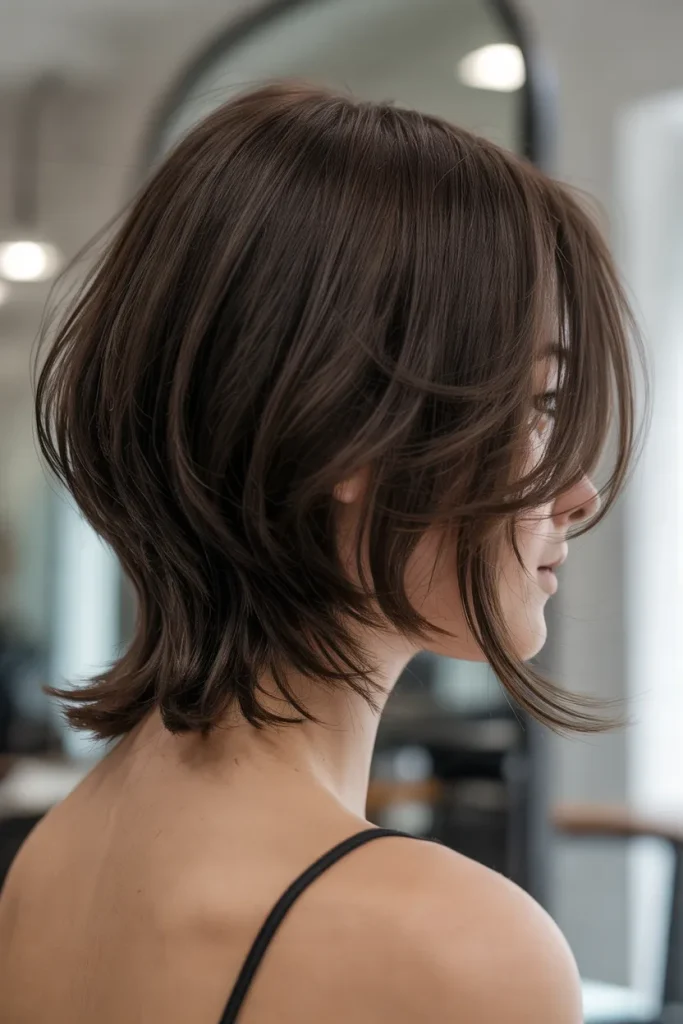
- Keeps substantial length while removing a heavy, straight-across outline.
- A rounded perimeter creates a graceful shape from behind.
- Long layers allow movement without sacrificing overall density.
- Works with straight, wavy, and softly curled textures.
- Requires less daily styling than heavily layered alternatives.
- Looks attractive in loose waves, sleek finishes, and simple ponytails.
Sometimes the most flattering change is not a dramatic haircut but a better overall shape. A curved midi cut keeps the hair long enough for versatile styling while replacing a flat, blunt outline with a graceful rounded perimeter. From behind, the ends form a gentle curve that makes the length look more intentional. Long layers add movement without creating obvious steps through the hair. This is a practical option if you enjoy wearing your hair down but dislike how thick ends can feel heavy. The silhouette remains elegant and understated, making it suitable for both everyday routines and dressier occasions.
Your stylist should evaluate the density at the ends before deciding how much length to remove. If the hair is fine, preserving a fuller perimeter is usually more important than adding numerous layers. Thick hair may benefit from subtle internal shaping to prevent the bottom from looking too dense. Ask for the back to be checked while standing naturally, since posture can change how the curve appears. This cut is particularly convenient if you frequently wear braids, low buns, or ponytails. It also grows out gracefully, meaning you can maintain its outline with occasional trims rather than needing constant salon appointments.
Micro Butterfly Bob
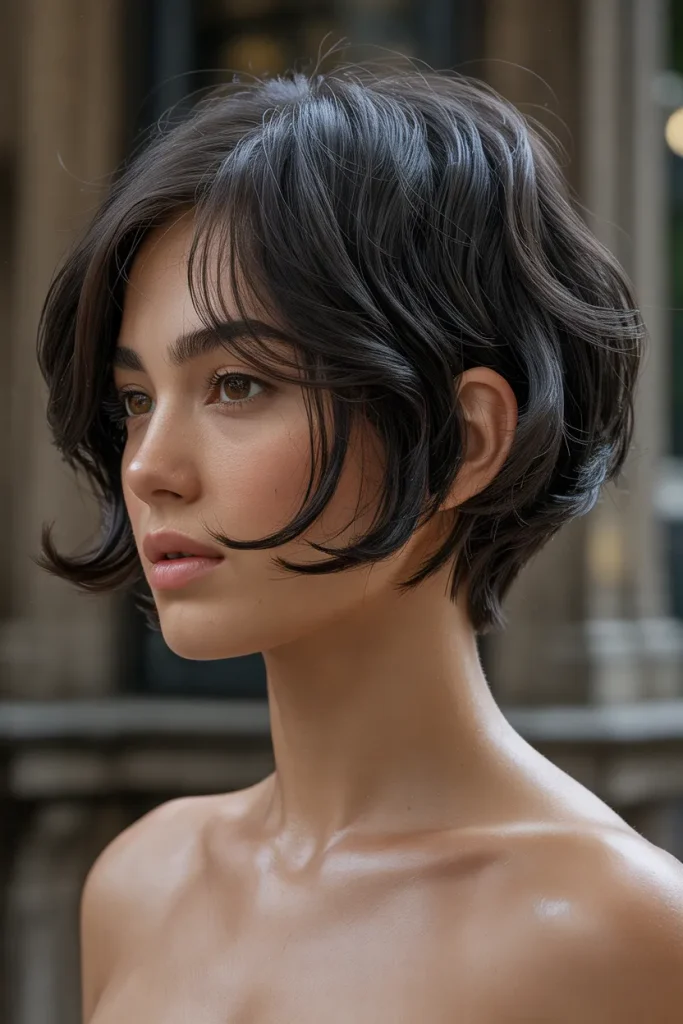
- Combines the structure of a bob with playful layered movement.
- Short front sections create noticeable cheekbone framing.
- Crown lift prevents the compact shape from looking flat.
- Curved ends add softness around the jawline.
- A good option for people ready to experiment with shorter lengths.
- Requires thoughtful styling to keep the front sections balanced.
A micro butterfly bob offers a fresh interpretation of the classic short haircut. Its compact length creates a defined shape, while shorter face-framing sections add the movement usually associated with longer layered hairstyles. This contrast makes the cut feel playful, modern, and surprisingly versatile. The crown can be styled with subtle lift, while the ends curve outward or inward depending on your preferred finish. It is particularly appealing if you want a shorter haircut that still feels soft rather than severe. Before choosing the length, ask your stylist to compare chin-level and jaw-level options against your natural hairline.
Because the front layers are an important part of the design, their placement deserves extra attention. A stylist can angle them toward the cheekbones for a softer appearance or keep them closer to the jaw for a stronger silhouette. Fine hair may need minimal layering to maintain density, whereas thick hair can support more internal movement. A small round brush is useful for shaping the front without spending time on the entire head. For an effortless finish, use a flexible styling cream and allow some natural texture to remain visible. This cut works beautifully with casual tailoring and modern evening outfits.
Wispy Collarbone Cut
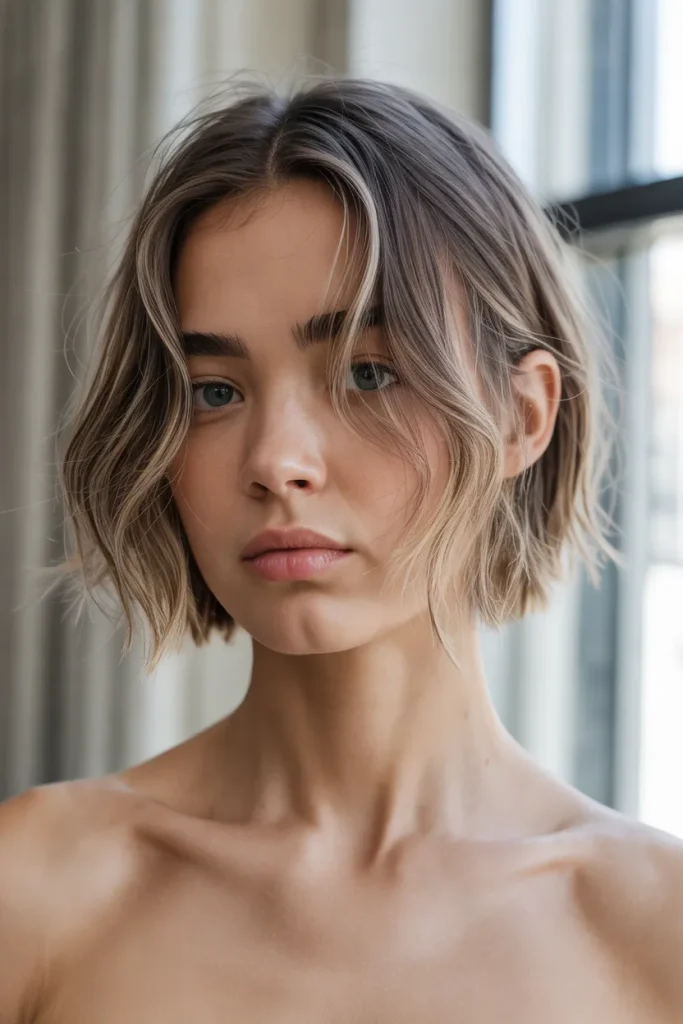
- Offers a lighter silhouette without making the hair extremely short.
- Wispy ends soften the outline around the shoulders.
- Gentle face-framing pieces add movement near the cheekbones.
- Particularly suitable for fine or medium-density hair.
- Air-drying can create a relaxed, natural finish.
- Easy to wear straight, softly waved, or loosely pinned back.
A wispy collarbone cut is a lovely middle ground when you want a visible refresh without losing styling freedom. Its length rests near the shoulders, while lightly textured ends create a softer outline than a traditional blunt cut. Delicate framing pieces bring movement around the face, making the overall shape feel relaxed and contemporary. I have noticed that this kind of length can be especially practical for people who alternate between wearing their hair down and tying it back. It feels light enough for warmer weather but still offers enough length for loose waves, half-up styles, and uncomplicated everyday looks.
The secret is keeping the wispy finish controlled rather than removing too much weight. Ask your stylist to assess the ends individually, especially if your hair is naturally fine or prone to looking sparse. A few strategically placed layers can create movement without making the entire haircut appear thin. For everyday styling, apply a light leave-in product and dry the front sections in the direction you want them to fall. A loose bend from a large curling iron can add definition for occasions, but the cut should also look attractive with minimal effort. Regular dusting keeps the ends looking fresh.
Modern Hush Cut
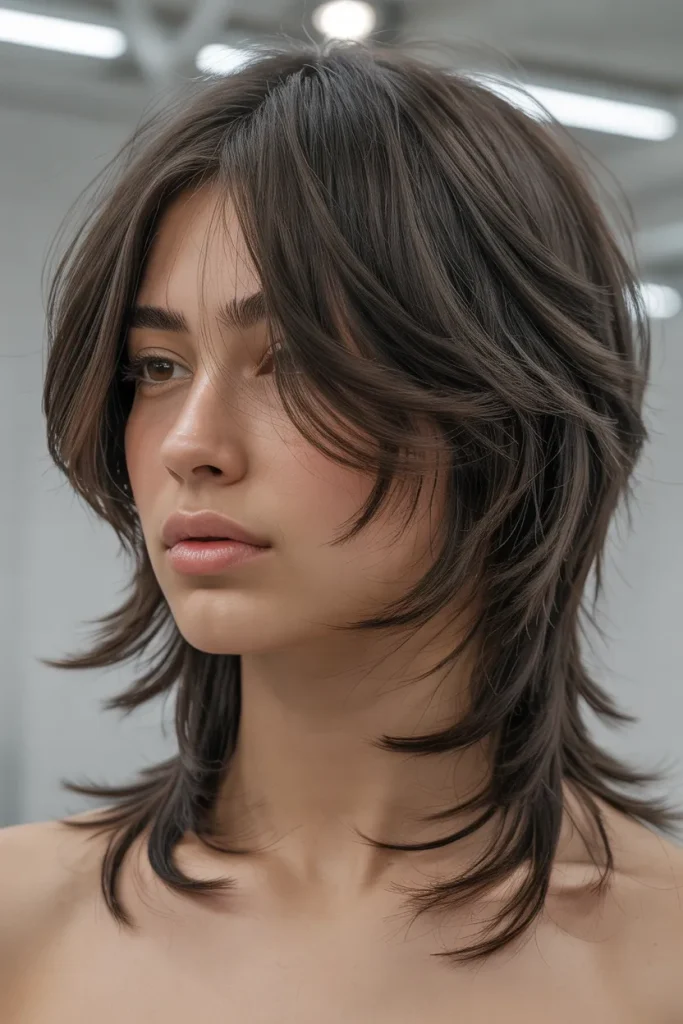
- Creates soft movement without an aggressively choppy appearance.
- Long layers keep the overall length visually elegant.
- Feathered sections add dimension around the cheeks and shoulders.
- Works beautifully with natural waves and loose styling.
- Lightweight products preserve movement instead of weighing it down.
- Can be customized for subtle or more noticeable face framing.
The modern hush cut is ideal when you want layers that feel light, fluid, and quietly fashionable. Its shape relies on soft transitions rather than sharply separated sections, allowing the hair to move naturally as you walk or turn your head. Feathered pieces around the face create dimension, while longer layers preserve the overall length. The finish looks particularly beautiful with a little natural texture, so the hairstyle does not need to appear perfectly polished. If your current haircut feels heavy around the sides, this silhouette can introduce a more balanced shape without making the transformation feel extreme.
A good consultation should focus on where the layers begin and how they connect to the back. Starting too short can create unwanted volume around the cheeks, while longer framing sections produce a gentler effect. Hair with natural waves often shows the texture beautifully, although straight hair can also wear the cut with a soft blowout. Use a lightweight mousse near the roots and a small amount of cream through the ends. Avoid heavy waxes that separate the layers too aggressively. This style is adaptable for office days, casual outings, and occasions when you want movement without elaborate styling.
Y2K Flicked Layers
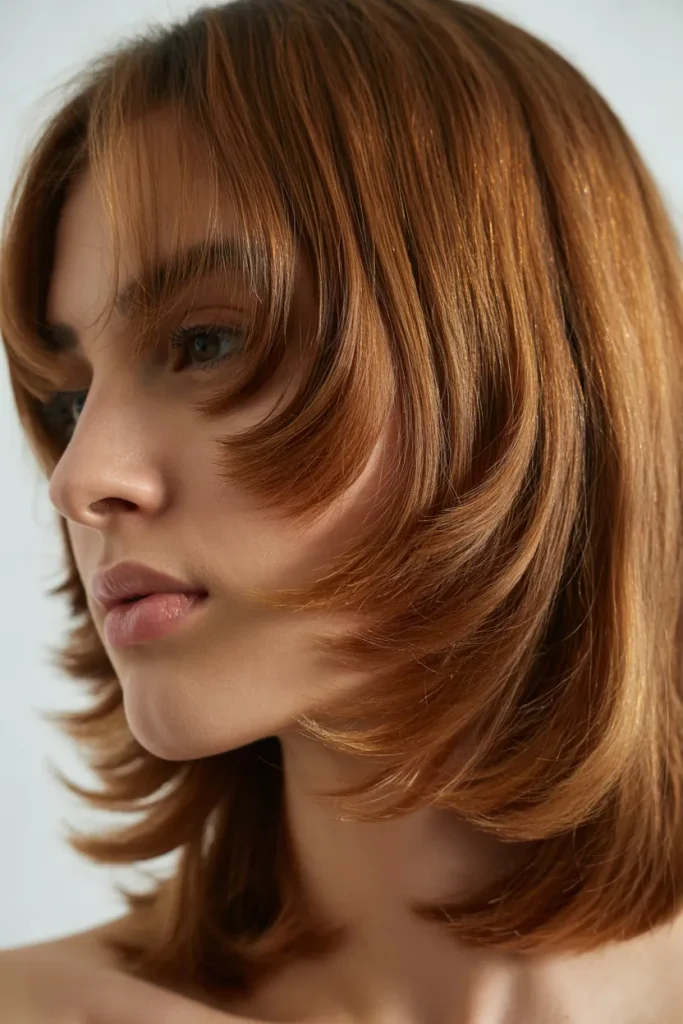
- Brings a recognizable early-2000s influence into a modern haircut.
- Outward-curving ends create movement and a playful silhouette.
- Face-framing pieces make the front especially photogenic.
- Works best with enough length to create a visible flick.
- A round brush or large curling iron shapes the ends.
- Offers a more expressive alternative to simple straight styling.
Y2K flicked layers bring nostalgic energy into a hairstyle that still feels current. The main feature is the outward movement at the ends, which creates a lively silhouette without requiring tight curls or complicated accessories. Front sections can sweep away from the face, while longer layers create a coordinated flick through the back. The look feels especially striking with glossy hair and a softly lifted crown. If you enjoy fashion references from early-2000s celebrity styling, this haircut offers a wearable interpretation rather than a costume-like recreation. It can also make a simple outfit look more styled through movement alone.
The flick depends on the length and weight of the hair, so show your stylist how pronounced you want the outward curve to appear. Medium and thick hair often hold the shape well, while fine hair may need a light volumizing product. A large round brush can direct the ends outward during blow-drying, and rollers can help set the curve while the hair cools. Avoid using too much hairspray because stiff ends lose the airy movement that makes this style attractive. For a softer daytime version, flick only the front pieces and let the remaining lengths fall naturally.
Rounded Curly Halo
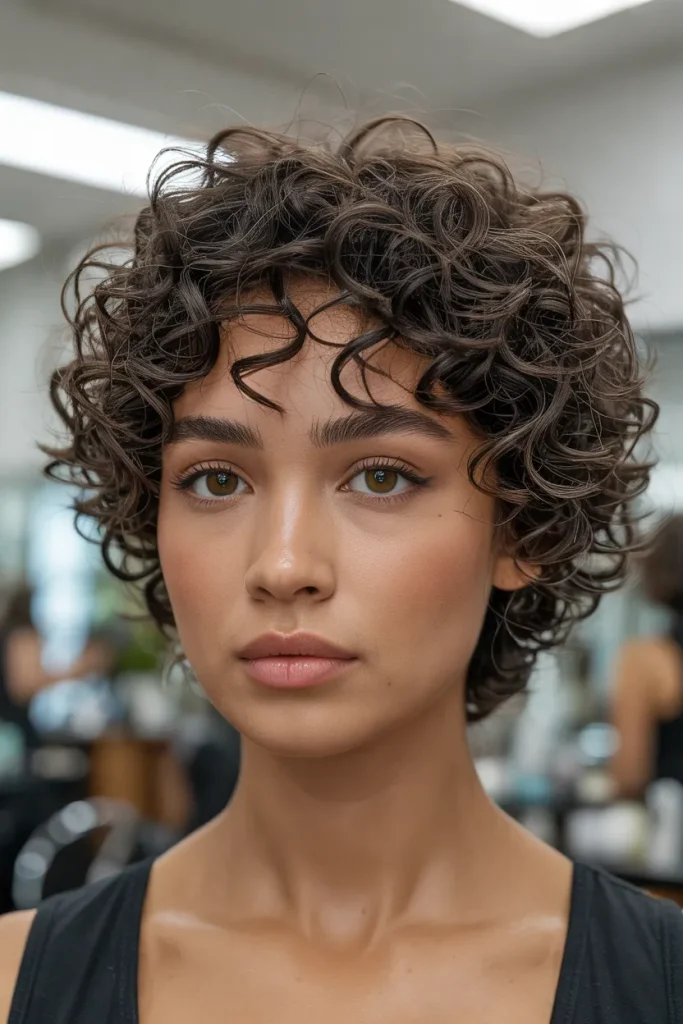
- Celebrates natural curl pattern with a balanced rounded outline.
- Creates noticeable volume around the head without excessive length.
- Carefully shaped edges prevent the silhouette from looking uneven.
- Suitable for naturally curly and coily hair textures.
- Curl-specific leave-in products help maintain definition.
- A dry shaping consultation can reveal the natural final proportions.
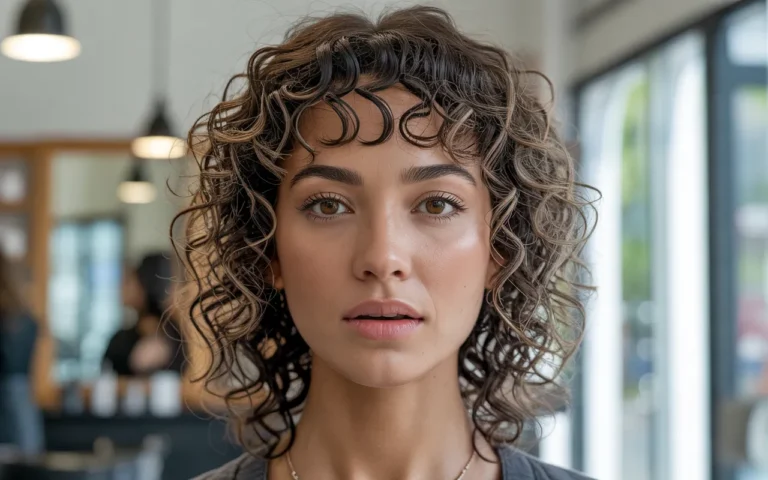
A rounded curly halo makes natural texture the centerpiece of the haircut. Instead of forcing curls into a narrow or heavily layered shape, the stylist creates a balanced outline that allows volume to spread beautifully around the head. The result feels expressive, confident, and full of personality. Individual curls remain visible, while the overall silhouette looks intentional from every angle. This can be a particularly satisfying change if your current haircut has lost its shape or feels uneven as it grows. The rounded profile also works with different personal aesthetics, from minimal everyday clothing to bold editorial fashion.
Curly hair changes its apparent length and shape depending on moisture, shrinkage, and drying technique. For that reason, discuss your usual wash routine before deciding how much length to remove. A stylist experienced with curls can evaluate the natural pattern and shape the outline accordingly. Some people prefer a more compact halo, while others want generous width around the temples and crown. Apply leave-in conditioner to damp hair, then use a curl-defining product suited to your texture. Diffuse gently or air dry without repeatedly touching the curls. Occasional reshaping helps preserve balance as different sections grow at different rates.
Sleek Side-Part Pixie
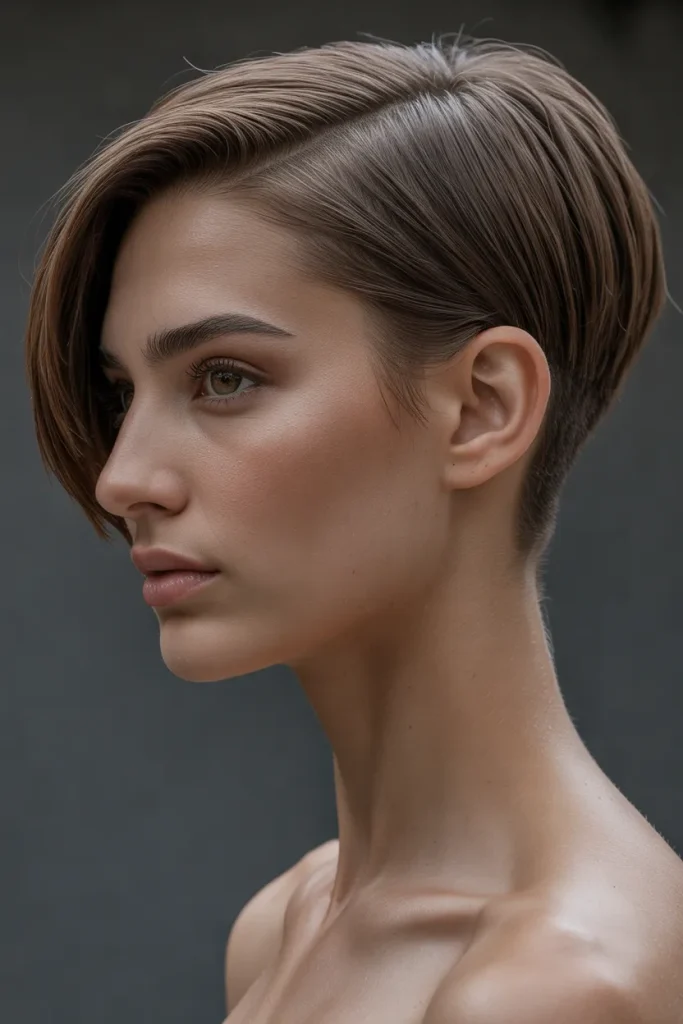
- Creates a striking silhouette with minimal overall length.
- Side-swept top adds softness and visual direction.
- Tapered sides keep the outline neat and contemporary.
- Highlights earrings, cheekbones, and the neckline.
- Works particularly well with straight or softly textured hair.
- Regular salon shaping maintains the clean proportions.
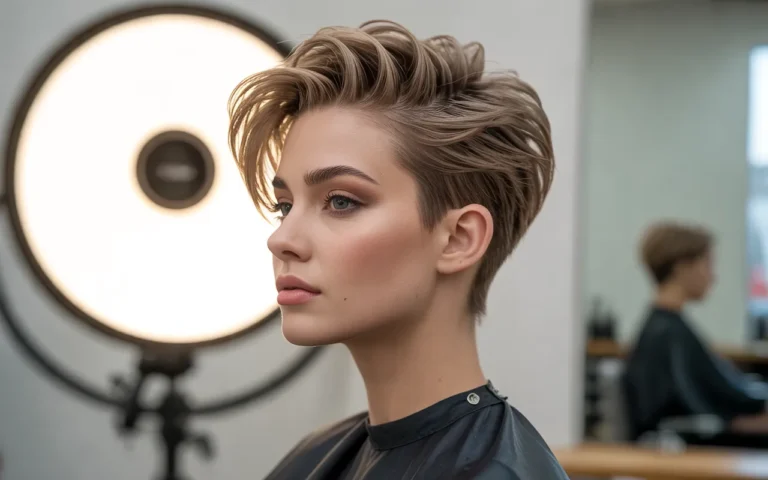
A sleek side-part pixie creates a confident transformation by changing the proportions of the entire hairstyle. The shorter sides and nape keep the outline clean, while the longer top introduces movement across the forehead. This contrast makes the cut feel polished rather than overly severe. It is a strong option if you want to spend less time managing long lengths and enjoy hairstyles with a defined silhouette. The side part can be adjusted to suit your preferred direction, creating either a softer sweep or a more dramatic profile. Its clean finish looks especially elegant with statement accessories.
Before choosing this pixie, consider how comfortable you are with frequent salon visits. Short sides gradually lose their definition as they grow, so maintaining the intended shape may require more regular trims than longer haircuts. Hair texture also influences the finish: straight strands create a sleek sweep, while slight natural texture adds softness and separation. A small amount of styling paste can control the top without making it look stiff. Ask your stylist to demonstrate how the fringe sits when you wear your usual parting. This simple detail can make the difference between a flattering daily cut and one that feels difficult to manage.
Soft Wolf Lob
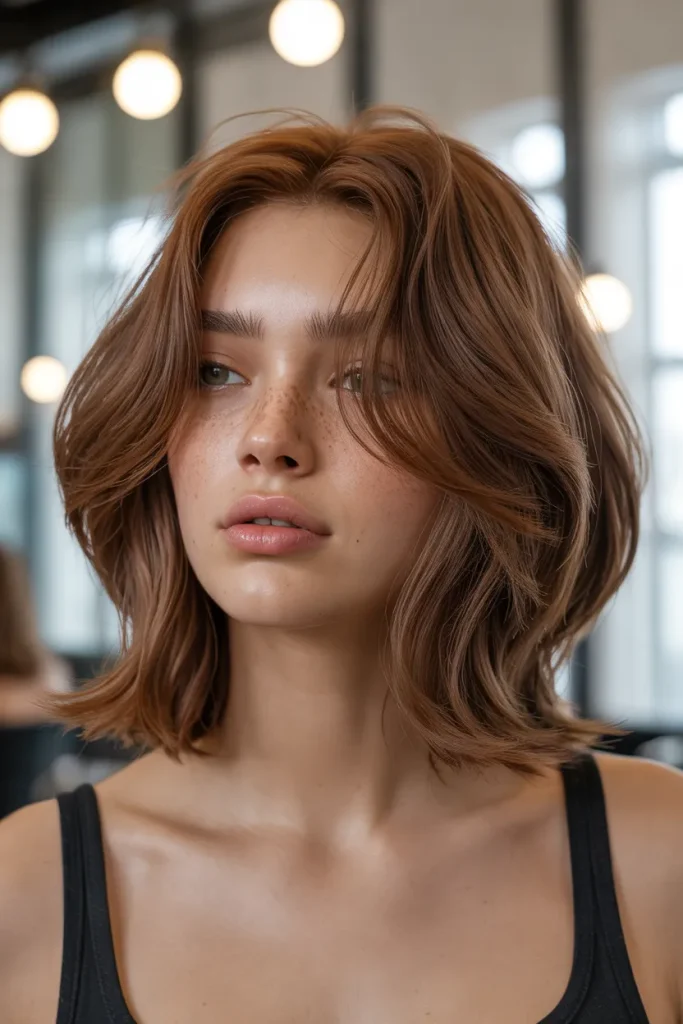
- Combines a relaxed shag shape with a manageable shoulder length.
- Crown layers introduce lift without an exaggerated mullet effect.
- Tapered ends give the silhouette a modern, undone finish.
- Particularly attractive on wavy and naturally textured hair.
- Can be worn with a fringe or an open forehead.
- Refreshing the roots helps maintain volume between washes.
A soft wolf lob gives shoulder-length hair a more adventurous personality while keeping its proportions wearable. The crown has airy layers, the sides remain softly shaped, and the ends create a relaxed silhouette that moves naturally. Unlike a highly dramatic wolf cut, this version keeps the transitions gentle, making it easier to adapt to different personal styles. It is a useful option if you want visible texture but are not ready for a very short haircut. The shape looks especially appealing with loose natural waves, although a lightly tousled blowout can create a more polished editorial finish.
The haircut should be customized around your natural density because excessive crown layering can make fine hair appear uneven. Thicker hair may need additional internal shaping to keep the sides comfortable and balanced. Discuss whether you prefer a fringe, curtain pieces, or an open forehead before the cutting begins. For styling, work a small amount of mousse through damp roots and use a diffuser or gentle blow-dry technique to encourage movement. You can also leave the ends relatively natural for a softer appearance. This haircut suits casual outfits, concerts, creative environments, and anyone who enjoys a slightly undone finish.
Invisible Layered Waves
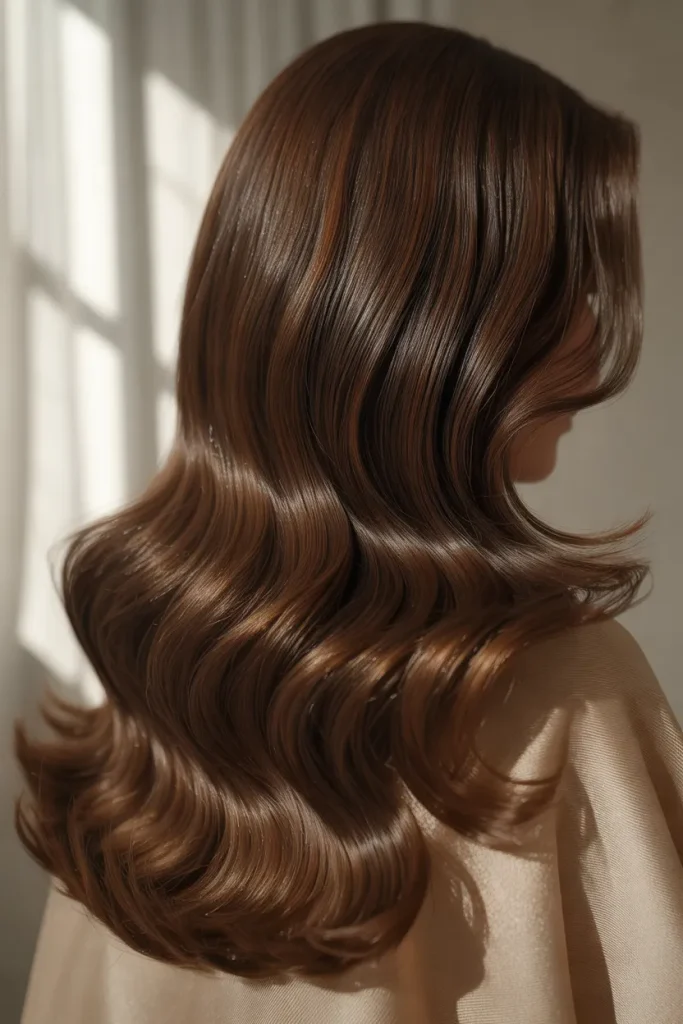
- Maintains a smooth outer appearance while improving internal movement.
- Reduces the heavy feeling of dense long hair.
- Creates flowing waves without visibly choppy layer transitions.
- Ideal for people who prefer understated, polished hairstyles.
- Works well with naturally wavy or heat-styled hair.
- Preserves enough length for braids, buns, and ponytails.
Invisible layered waves are a smart choice when you love long hair but want it to move more freely. The outer surface remains smooth and relatively seamless, while carefully placed internal layers reduce heaviness underneath. This creates flowing movement without the obvious steps associated with traditional layering. The effect is subtle but noticeable when the hair swings or falls into loose waves. It is particularly useful for people whose thick lengths feel difficult to style because the bottom carries too much weight. The result looks refined, natural, and suitable for both relaxed daytime styling and more polished occasions.
This technique requires a stylist who understands how internal weight removal affects the overall outline. Removing too much underneath can make the surface appear disconnected, so the layers should be placed with your natural density in mind. Fine hair generally needs a lighter approach, while dense hair can support more internal shaping. Loose waves can be created with a large barrel, but the cut should still move beautifully when worn straight. Use a smoothing cream through the mid-lengths and ends to maintain a clean surface. This is a versatile option if you want a subtle refresh rather than an obvious haircut transformation.
Asymmetric Midi Sweep
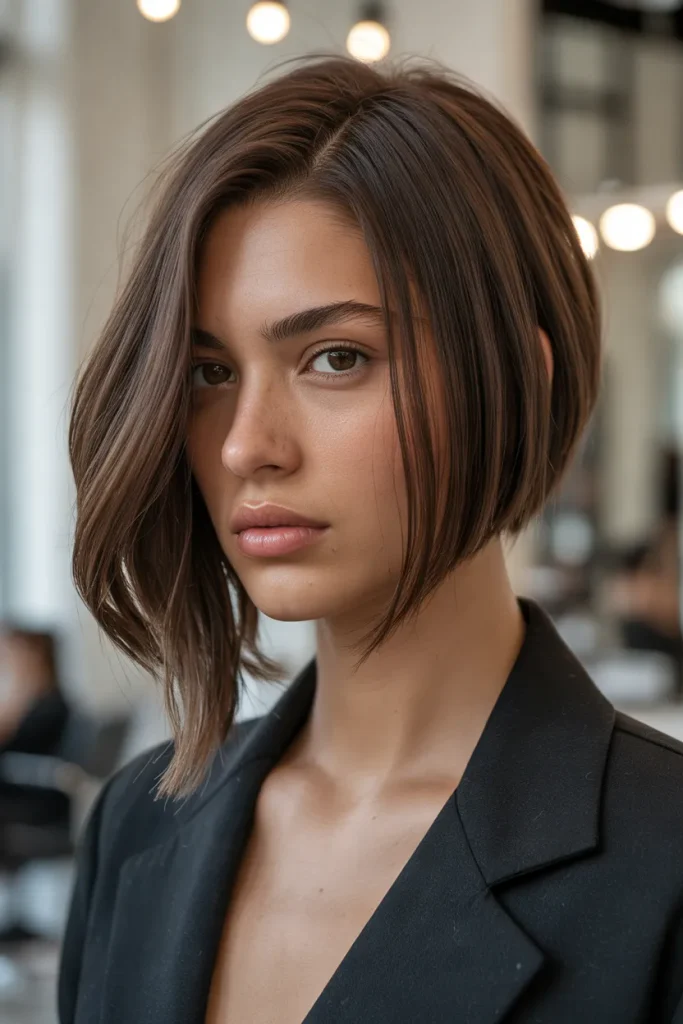
- Creates visual interest through an intentionally uneven length.
- The diagonal outline adds direction to the overall silhouette.
- Longer front sections can soften the appearance of the jaw.
- Looks particularly striking with smooth, controlled styling.
- Can be adapted to subtle or more dramatic asymmetry.
- Requires precise cutting to keep both sides balanced.
An asymmetric midi sweep brings a distinctive editorial quality to medium-length hair. One side sits slightly longer than the other, creating a diagonal outline that looks intentional and fashion-forward. The difference can remain subtle for everyday wear or become more noticeable for a stronger statement. Its visual appeal comes from the direction of the cut, which guides attention toward the face and gives the hair a more sculptural shape. This is an interesting option if symmetrical haircuts have started to feel repetitive. It also offers enough length to tuck one side behind the ear or create a soft, one-sided wave.
The amount of asymmetry should reflect your comfort level and daily styling habits. A small difference between the sides is easier to maintain, while a stronger angle requires more precise salon shaping. Ask your stylist to check the haircut from the front, back, and side so the longer section falls naturally rather than appearing accidental. Straight hair displays the diagonal line most clearly, whereas loose waves soften its geometry. A smoothing lotion can help define the outline, and a side tuck emphasizes the longer section. This haircut is especially attractive with minimalist clothing and clean, modern accessories.
Conclusion
Finding a hairstyle you love doesn’t mean following every new trend. It means discovering a cut and shape that complement your features, work with your natural texture, and fit comfortably into your daily routine. These 15 ideas offer plenty of inspiration, whether you prefer polished elegance, effortless layers, playful movement, or a bold transformation. Remember, choosing new hairstyle options should feel exciting rather than overwhelming. Save this article to your Pinterest boards so you can revisit your favorite looks before your next salon appointment. Try an idea that catches your eye, discuss the details with your stylist, and share this guide with someone looking for fresh inspiration. Your next favorite hairstyle might be just one haircut away!