15 Hair Steaming Pros and Cons You Should Know
Soft, touchable hair can feel like a completely different kind of confidence. But is steaming really worth adding to your wash-day routine?
This guide explores the hair steaming pros and cons so you can understand where this moisture-focused treatment fits into real hair care. If your strands often feel dry, rough, tangled, or difficult to manage, controlled steaming may make conditioning feel more effective and your hair easier to work with. At the same time, steaming is not a magic fix, and using too much heat or product can leave hair feeling heavy or uncomfortable. I’ve noticed that the best results usually come from simple routines built around your hair’s actual needs. From fine strands to thick, processed, or textured hair, these practical ideas will help you make smarter choices, protect your lengths, and create a softer, more manageable finish.
Warm Moisture Reset
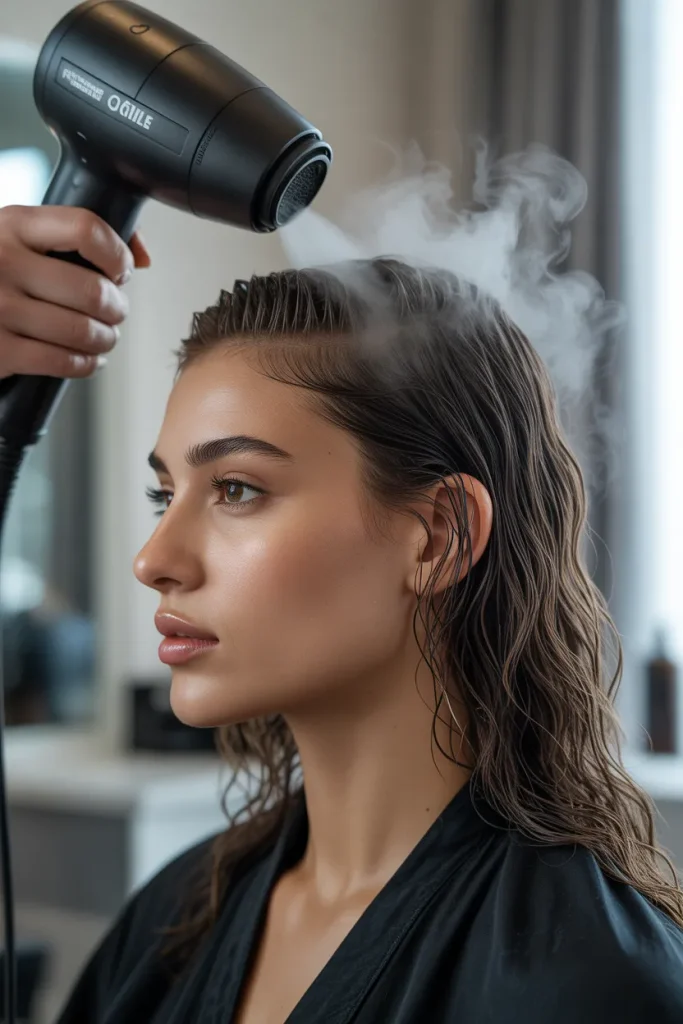
- Creates a warm, moisture-focused conditioning environment.
- Helps dry lengths feel softer and more flexible.
- Works well before careful detangling.
- Best paired with a moisturizing conditioner or mask.
- Moderate heat is more comfortable than intense heat.
- Suitable for occasional moisture-focused wash days.
Warm moisture can transform how dry hair feels afterward. Steaming helps conditioners spread across thirsty lengths more evenly. I’ve noticed softened strands become easier to detangle afterward. It can make wash day feel calmer and gentler. Use moderate heat rather than chasing an intense sensation. Cleanse first, then apply your preferred moisturizing treatment evenly. Cover every section, especially porous ends needing extra conditioning attention. Follow your steamer instructions carefully for temperature and timing limits. Rinse thoroughly afterward and blot hair without rough towel friction. This approach keeps moisture care simple, controlled, and practical. Use it when extra moisture feels helpful.
The best steaming routine begins with realistic expectations and consistency. It cannot repair permanently damaged strands or replace trimming. Think of it as support for your existing conditioning routine. Fine hair may need shorter sessions to avoid heaviness. Coarser textures often appreciate richer masks during controlled steaming sessions. Always test your chosen temperature before positioning hair nearby. Keep steam away from irritated skin or uncomfortable scalp areas. If hair feels limp, reduce frequency or product richness. If ends remain rough, review cleansing and conditioning habits. Small adjustments usually create a more comfortable, manageable routine overall. Keep step gentle and deliberate.
Dry End Revival
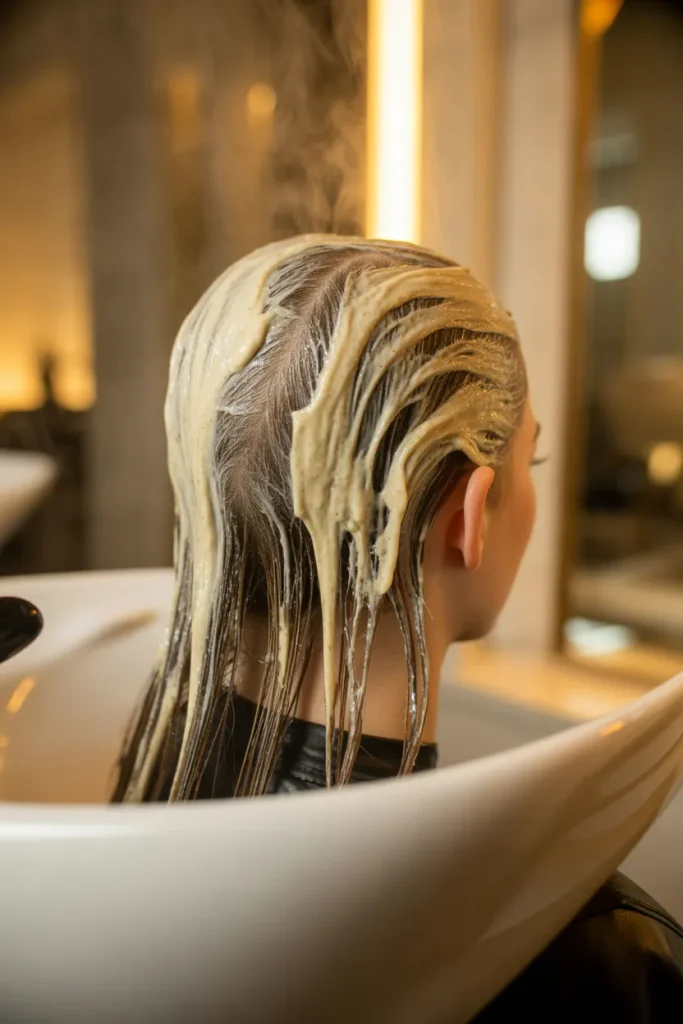
- Concentrates moisture where older strands need attention.
- Helps soften rough-looking ends during conditioning.
- Sectioning improves even product distribution.
- Useful for hair exposed to frequent styling.
- Keep masks away from oily roots when appropriate.
- Regular trims remain important for visibly split ends.
Dry ends often need focused moisture rather than heavier styling products. Steam can make conditioning treatments feel more effective during washing. Start by concentrating mask on the oldest lengths first. Avoid coating the scalp when buildup is already noticeable. Sectioning helps distribute conditioner evenly without excessive product application everywhere. Steam may improve softness and reduce combing resistance afterward. I’ve seen this work best with patient, careful detangling. Use fingers first, then a wide-tooth comb when appropriate. Rinse according to the mask directions, especially after richer formulas. The result should feel conditioned, flexible, clean, and comfortably lightweight. Keep temperature moderate throughout.
Targeting dry ends requires more than simply adding conditioner. Ends are older, so they often need gentler handling. Keep steaming sessions brief when hair already feels fragile. Never pull through knots while strands are saturated and slippery. Detangle from the tips upward using small, controlled movements. A microfiber towel can reduce unnecessary friction after rinsing. Follow with a lightweight leave-in if hair needs it. Seal the ends only when additional richness does not cause heaviness. Regular trims remain useful when split ends are visibly traveling upward. Steaming works best as supportive care, not damage reversal entirely. Keep sessions comfortably brief.
Scalp Comfort Care
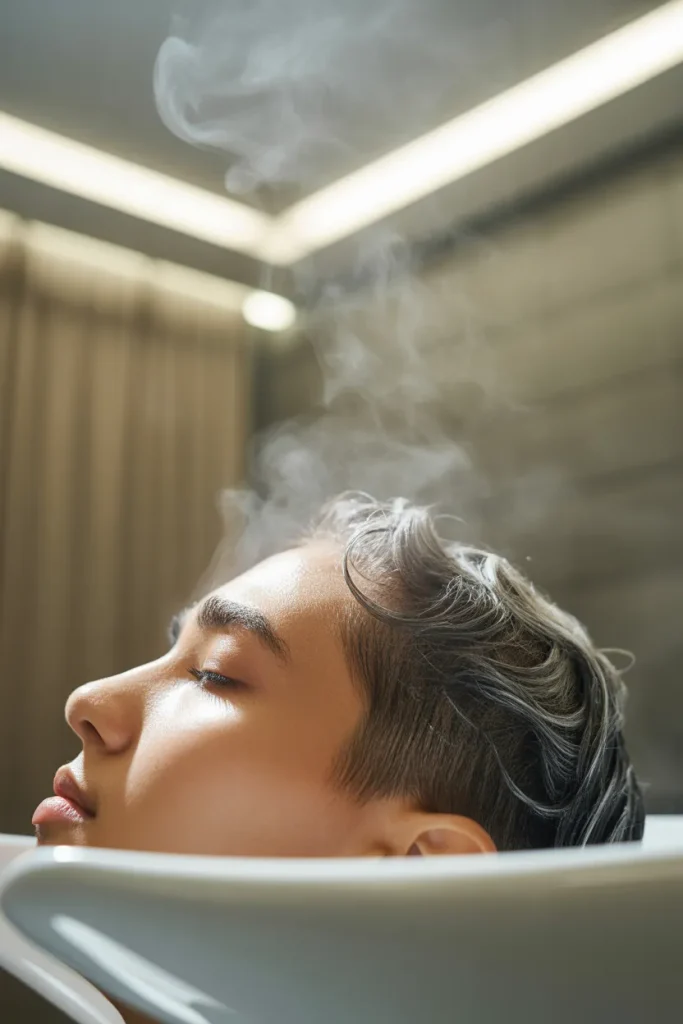
- Keeps scalp comfort central during steaming.
- Uses controlled warmth instead of excessive heat.
- Works best with clean roots and lengths.
- Avoids heavy masks on areas prone to buildup.
- Gentle fingertip massage can improve product distribution.
- Stop immediately if heat feels irritating or uncomfortable.
A soothing scalp-care routine can begin with clean, comfortable skin. Steam may create a warm sensation that feels relaxing during washing. Keep heat moderate and never tolerate burning or discomfort. The scalp should feel comfortable throughout the treatment period. Cleanse thoroughly when oils, dry shampoo, or styling residue accumulate. Apply conditioner mainly to lengths unless your product specifically suits scalps. Gentle fingertip massage can encourage even product distribution without scratching skin. I’ve noticed calmer routines make wash days easier to maintain consistently. Avoid aggressive brushing when hair is wet and vulnerable. Finish by rinsing completely and drying the roots gently.
Scalp comfort should always guide how frequently you use steam. More heat does not automatically mean better hair care. If your scalp feels tight, hot, itchy, or irritated, stop. Choose lukewarm water afterward rather than adding additional heat. Keep oils and heavy masks away from sensitive areas when needed. Clean your steamer regularly according to its manufacturer cleaning instructions. Residue inside equipment can make a routine less pleasant overall. Use freshly washed tools whenever they contact your hair directly. Pay attention to changes after each session before increasing frequency. Comfortable skin and clean roots matter more than chasing softness alone.
Deep Conditioning Boost
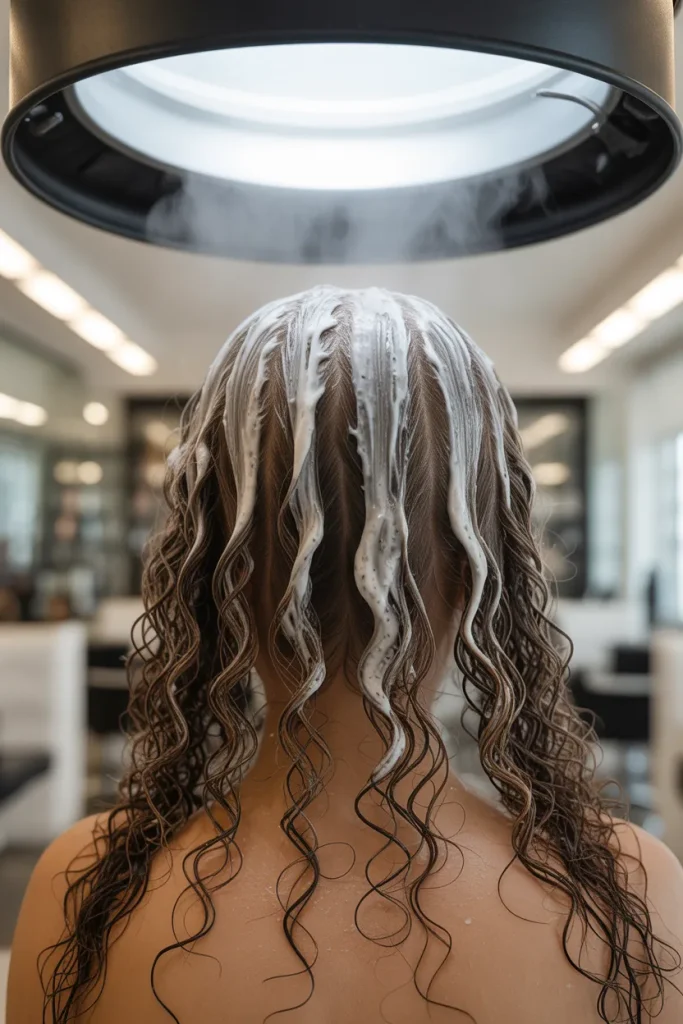
- Supports a focused conditioning treatment.
- Makes section-by-section application easier to manage.
- Keeps product concentrated through mid-lengths and ends.
- Useful during colder or drier periods.
- Avoids combining several intense treatments together.
- Rinse thoroughly to prevent lingering residue.
Conditioning becomes easier when every section receives enough product and attention. Steaming can help create a pleasant environment for moisturizing treatments. Begin with freshly cleansed hair that remains damp, not dripping. Apply a mask from mid-lengths toward the ends first. Use clips to divide thick hair into manageable sections. Gentle warmth can make the treatment feel especially comforting during winter. Avoid stacking multiple intense treatments during one wash day. Let your product directions determine processing time rather than guessing. Rinse until hair feels clean, soft, and free from residue. This simple method can turn ordinary conditioning into focused maintenance. Overall.
Product choice matters more than steam when building a conditioning routine. Choose formulas according to texture, dryness, and your normal styling habits. Very rich masks can overwhelm fine strands surprisingly quickly. Lighter conditioners may suit hair that loses volume easily. Coily textures may benefit from careful sectioning before steaming begins. Wavy hair often needs enough moisture without excessive residue afterward. Chemically processed lengths deserve especially gentle handling and moderate temperatures. I’ve noticed balance matters more than using the richest treatment available. Keep notes about softness, manageability, and buildup after each session. Those observations can guide better product decisions over time.
Gentle Post-Wash Finish

- Protects freshly conditioned strands after rinsing.
- Reduces rough towel friction.
- Keeps leave-in products focused where needed.
- Supports smoother, easier detangling.
- Works with air-drying or moderate blow-drying.
- Helps prevent unnecessary post-wash manipulation.
Post-wash softness depends heavily on what happens after steaming ends. Rinsing correctly prevents leftover conditioner from making roots feel heavy. Use cool or comfortably lukewarm water instead of extreme temperatures afterward. Press excess water out gently with a soft towel. Avoid twisting wet lengths tightly because they stretch more easily. Apply leave-in conditioner only where slip remains useful. Detangle carefully while hair is damp and adequately lubricated. Let hair dry naturally when possible, or use moderate airflow. Finish with a small amount of serum on dry ends. This routine preserves the clean, conditioned feeling without unnecessary manipulation afterward.
Aftercare is where many moisture routines either succeed or become frustrating. Too much product can leave hair looking flat and coated. Too little protection can make freshly conditioned ends feel rough again. Choose your leave-in amount according to density and length. Fine hair usually needs a lighter hand around the roots. Dense hair may need more section-by-section distribution for even coverage. Avoid repeatedly brushing hair while it dries after treatment. If using heat tools, apply suitable heat protection before styling. Sleep routines also matter when friction repeatedly affects delicate lengths overnight. Consistent gentle handling helps preserve softness between wash days.
Careful Detangling Slip
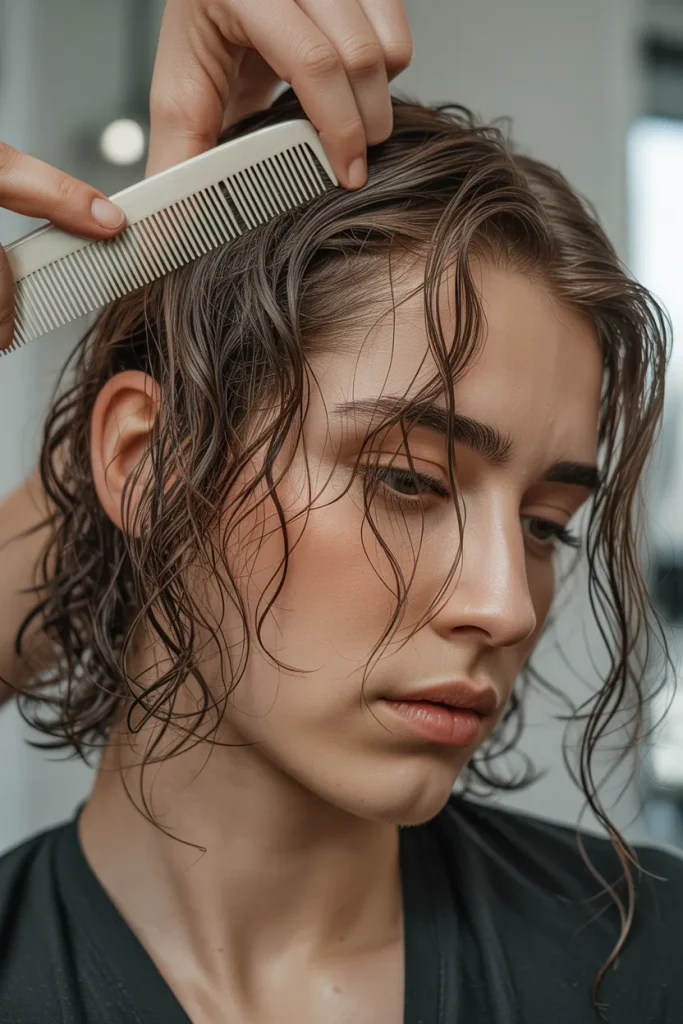
- Adds slip before combing through knots.
- Encourages slower, controlled detangling.
- Works especially well with sectioned textured hair.
- Fingers can loosen stubborn knots first.
- Reduces unnecessary pulling during wash day.
- Helps make dense hair easier to manage.
Steam can make detangling sessions feel smoother when hair needs extra slip. Start at the ends instead of attacking knots near roots. Separate large sections before reaching for any comb. Use fingers to loosen stubborn tangles with minimal pulling first. Apply conditioner generously enough to create useful slip throughout lengths. Steam can support softness, but technique still prevents unnecessary breakage. I’ve noticed slower detangling saves time when knots are particularly stubborn. Hold each section near its base for added control. Work upward gradually until the comb moves through comfortably. Stop whenever resistance increases and add more conditioner rather than force.
Detangling success depends on patience, tools, and the hair’s current condition. Wide-tooth combs can work well for textured hair routines. Flexible brushes may suit some lengths when used gently and slowly. Avoid comparing your routine with someone having different density. Curly and coily patterns often need smaller sections for control. Straight hair can still knot when dryness and friction increase. Steam should never become an excuse for aggressive combing afterward. If tangles remain frequent, review cleansing, conditioning, and sleeping habits. A silk-like pillowcase or protective wrap may reduce overnight friction. Gentle repetition builds easier wash days without forcing fragile strands.
Humidity Balance

- Keeps moisture care separate from humidity control.
- Favors lightweight finishing products.
- Helps prevent unnecessary product layering.
- Works with naturally wavy or textured hair.
- Supports more predictable styling in changing weather.
- Encourages seasonal product adjustments.
Humidity can change hair texture, but moisture care remains useful. Steaming adds moisture during treatment rather than controlling outdoor humidity. Follow conditioning with products suited to your desired finish afterward. Lightweight leave-ins can help prevent an overly coated feeling. Curl creams may define textured hair when used sparingly afterward. Straight styles may benefit from smoother, lighter finishing products instead. Avoid adding several layers simply because hair feels freshly soft. Product overload can make humidity-related frizz harder to manage. I’ve noticed simple routines often create more predictable styling results. Adjust products seasonally when weather changes your hair’s behavior. Keep it balanced.
Managing frizz starts with understanding whether dryness or humidity drives it. Steam may help soften dry hair before finishing and styling. It does not permanently change the hair’s natural response outdoors. Use conditioning products that provide slip without excessive residue afterward. For curls, distribute products through sections before scrunching or shaping. For straight styles, smooth products mainly through mid-lengths and ends. Avoid repeatedly touching hair while it finishes drying completely. Friction from towels, clothing, and brushing can increase visible flyaways. Protect finished hair overnight with a gentle low-friction method. Keep expectations realistic, because weather always influences final texture. Without complication.
Fine Strand Moisture
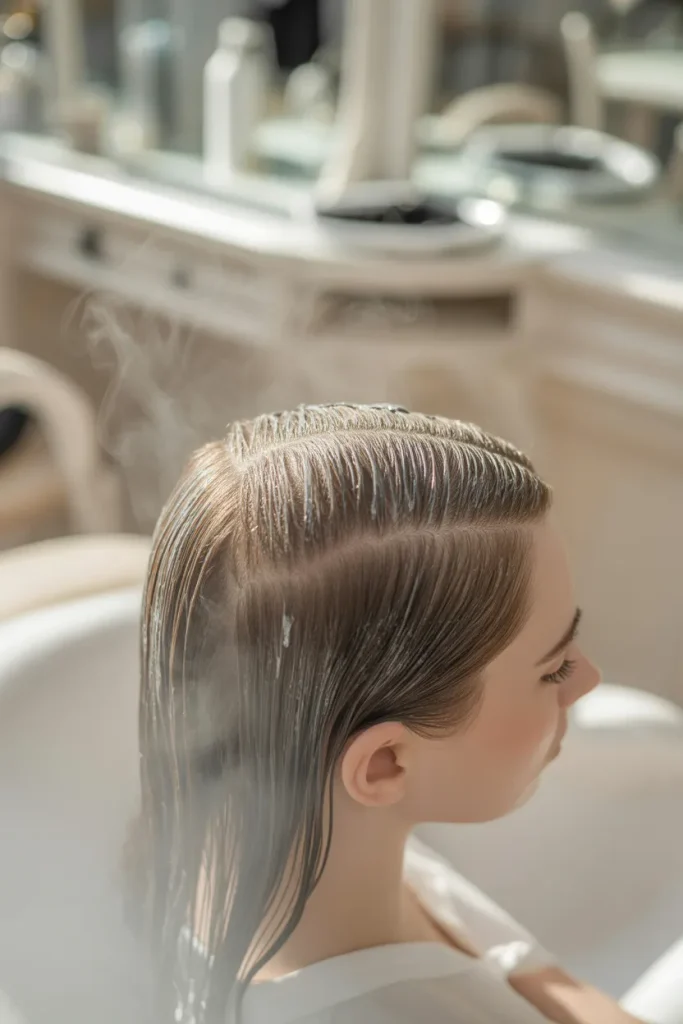
- Keeps moisture lightweight for delicate strands.
- Reduces the chance of flattened roots.
- Favors shorter steaming sessions.
- Uses minimal oil near the scalp.
- Supports softness without sacrificing movement.
- Best with lightweight masks and leave-ins.
Fine hair can enjoy moisture care when the routine stays lightweight. Steam may soften strands without requiring heavy layers of conditioner. Apply modest product amounts and focus primarily on longer sections. Avoid saturating roots if volume disappears easily after washing. Shorter steaming sessions can feel more suitable for delicate textures. Rinse especially well to remove richer treatment residue completely afterward. A lightweight leave-in can provide slip without flattening the overall shape. Use minimal oil because fine strands can look greasy quickly. I’ve noticed careful product placement matters more than product quantity. The finished hair should feel soft, clean, and buoyant.
Fine strands need moisture without sacrificing movement, freshness, or natural volume. Choose masks labeled lightweight when richer formulas repeatedly feel heavy. Sectioning can prevent accidental overapplication around the crown and roots. Steam should feel warm and comfortable, never intensely hot. Limit manipulation while wet because fine strands can stretch easily. Blot gently, then let hair partially air-dry before styling. Volumizing products belong mainly near roots when extra lift matters. Conditioning treatments work best when used consistently but not excessively. Watch for limpness, oily roots, or slower drying between sessions. Those signs suggest simplifying the routine rather than adding more products.
Dense Hair Sections
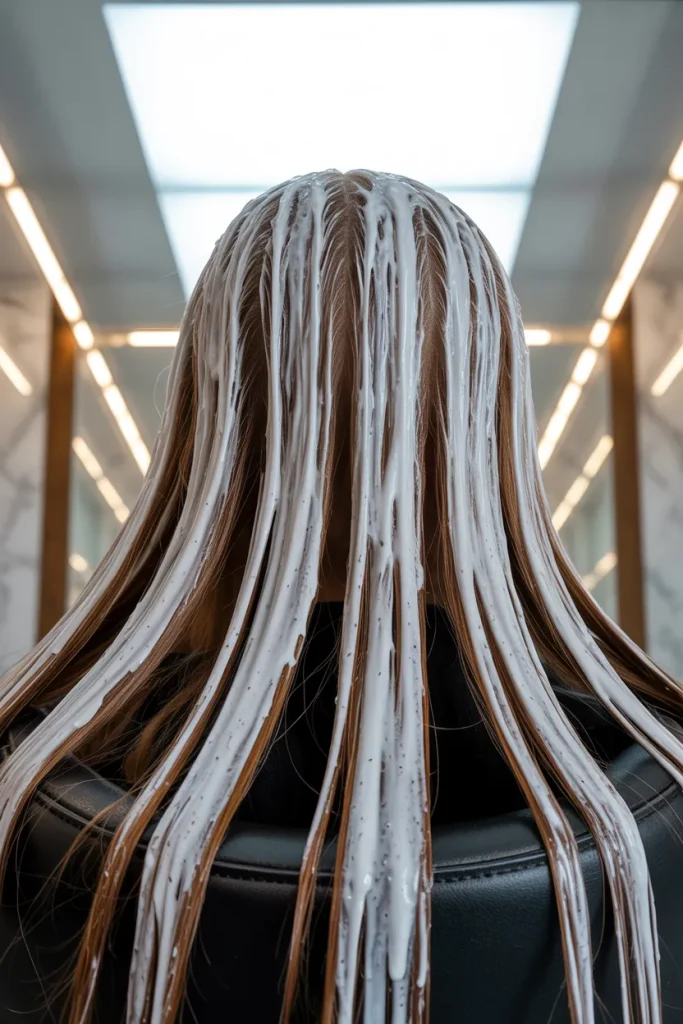
- Makes dense hair easier to treat evenly.
- Prevents conditioner from sitting only on outer layers.
- Allows steam to reach separated sections.
- Supports controlled detangling afterward.
- Works well for long, thick, or coily textures.
- Requires patient rinsing to remove residue.
Thick hair often benefits from sectioning because dense lengths need thorough treatment. Steam can make a conditioning session feel easier to manage. Divide hair into several panels before applying your chosen mask. Work product through each section using gentle smoothing motions. Concentrate richer conditioner where dryness is most noticeable, especially ends. Secure sections loosely so steam can reach the hair evenly. Avoid piling heavy product onto already coated strands during treatment. Afterward, rinse patiently because dense hair can retain residue longer. Detangle one section at a time while maintaining steady control. This approach makes moisture care feel organized instead of overwhelming.
Density changes how much time and product a steaming routine requires. Thick hair does not need maximum heat or duration. More important is even distribution from roots toward older lengths. Use clips that hold sections without creating pressure points. If your hair tangles easily, add slip before combing through. Rinse thoroughly underneath layers that commonly trap conditioner and water. Allow enough drying time before tying hair tightly or sleeping. Damp, compressed sections can feel uncomfortable and take longer to dry. Track how your hair responds after several sessions rather than judging once. A routine keeps dense hair manageable and comfortable.
Processed Hair Recovery
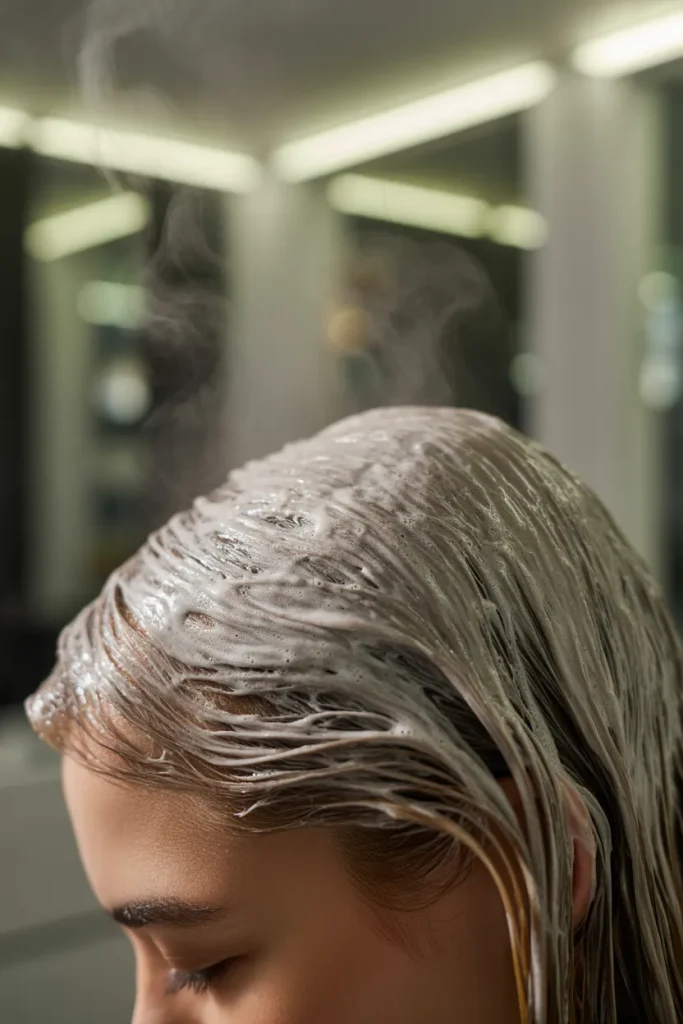
- Prioritizes gentle handling after chemical services.
- Focuses conditioning on porous-looking lengths.
- Keeps temperatures moderate and controlled.
- Pairs well with heat-protection habits.
- Avoids aggressive wet-hair manipulation.
- Regular trims remain useful for compromised ends.
Chemically processed hair deserves a gentler approach to moisture treatments. Steam may make conditioning sessions feel soothing on dry, processed lengths. Begin with a mild cleanser that does not leave hair squeaky. Apply a treatment designed for your hair needs afterward. Focus attention on porous areas that feel rough or brittle. Keep temperature moderate and shorten sessions whenever strands feel fragile. Never pull aggressively through wet hair after treatment has finished. Rinse, then use a leave-in suited to processed lengths. Heat protection remains important whenever blow-drying or heat styling follows. Consistent gentle care can improve manageability without unrealistic repair promises.
Processed hair can respond differently from untreated hair after repeated coloring. Porosity, texture, and previous services should guide your conditioning choices. Avoid assuming every damaged-looking area needs heavier products immediately. Sometimes roughness comes from buildup rather than insufficient moisture alone. Clarifying should be occasional and appropriate for your hair routine. Follow with conditioning afterward if cleansing leaves lengths feeling dry. Steam should support your routine, never replace careful chemical-service maintenance. Schedule trims when ends remain visibly split despite improved conditioning habits. If hair becomes unusually fragile, simplify handling and styling pressure. Maintenance protects the appearance of well-maintained color and texture.
Weekly Moisture Ritual
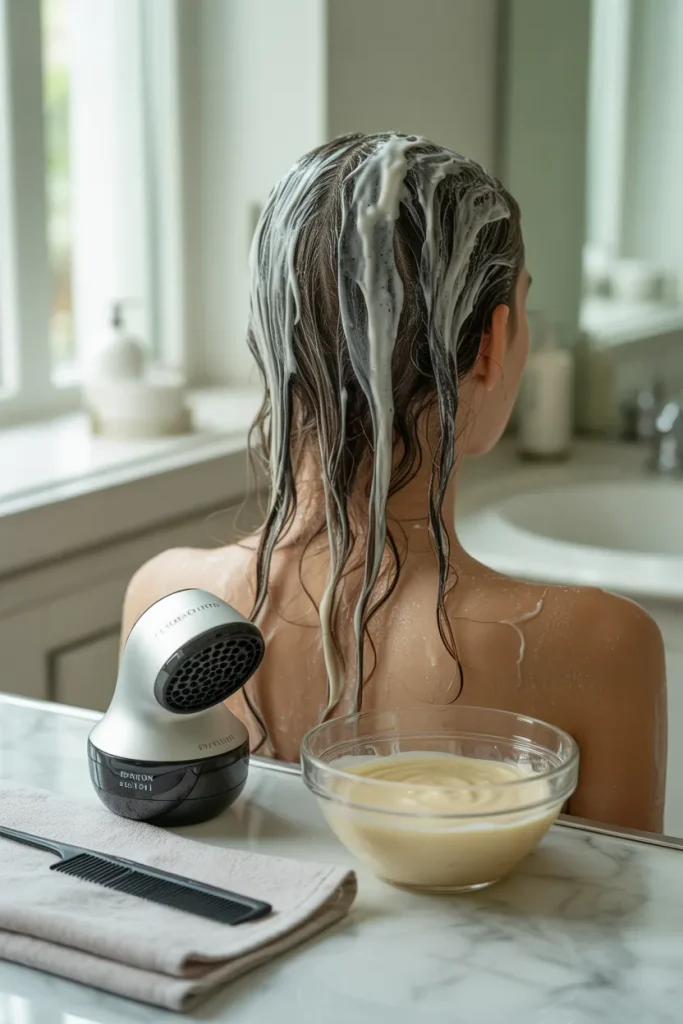
- Creates a consistent conditioning appointment at home.
- Fits naturally into a weekly self-care routine.
- Helps organize products and sectioning tools.
- Can be adjusted according to hair response.
- Works best without excessive treatment layering.
- Makes moisture care easier to remember.
A weekly moisture ritual can make hair care feel intentional. Steam fits naturally into a dedicated conditioning day for many people. Pick one day when you can slow down without rushing. Cleanse first, then apply a treatment suited to current needs. Divide hair evenly so product reaches every important section. Keep steaming comfortably brief rather than extending sessions unnecessarily long. Use that waiting time to prepare your next styling steps. Rinse thoroughly and follow with only necessary leave-in products. Record how softness and manageability change over several weeks. Consistency matters more than creating an elaborate, time-consuming ritual. Keep it realistic.
A routine becomes sustainable when it fits your schedule comfortably. Busy readers may prefer steaming every few washes instead. Others may reserve it for seasonal dryness or special occasions. There is no universal frequency that suits every texture. Pay attention to buildup, limpness, dryness, and styling performance afterward. If hair remains balanced, your routine may be working appropriately. If results decline, reduce product layers before increasing treatment intensity. Keep equipment clean and store it according to manufacturer guidance. Avoid turning a relaxing routine into another demanding beauty obligation. The best care plan is gentle enough to maintain consistently. Stay consistent.
Protective Moisture Care
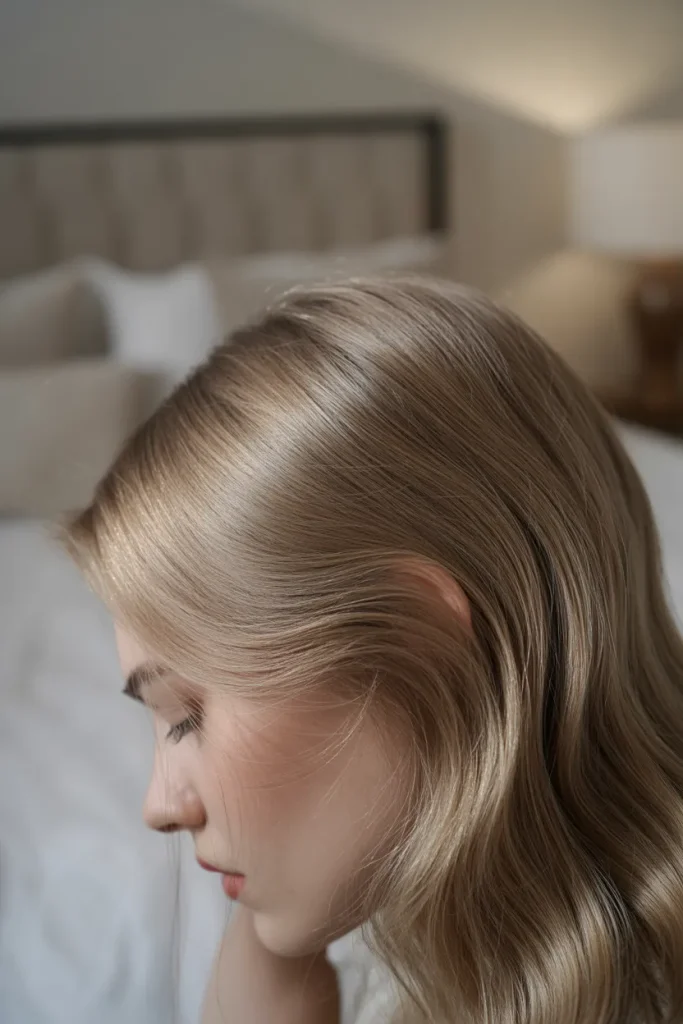
- Reduces unnecessary pulling after conditioning.
- Helps protect freshly moisturized lengths.
- Favors loose, low-tension arrangements.
- Limits friction during everyday movement.
- Keeps ends from becoming tangled easily.
- Works especially well during windy or active days.
Healthy moisture care works best when paired with thoughtful protective styling. Steam can soften hair before creating low-manipulation looks afterward. Choose loose styles that avoid constant pulling around fragile areas. Use fabric-covered elastics instead of tight, rough bands when possible. Keep freshly conditioned lengths from becoming tangled during everyday movement. A loose wrap can help protect hair while sleeping. Avoid securing wet hair tightly because moisture increases stretching and fragility. Steam should prepare hair for gentle handling, not aggressive styling. I’ve found softer routines are easier to maintain when hair feels manageable. Protect ends during windy, dry, or active days.
Protective care should reduce friction without hiding problems underneath styling. Check your scalp and roots rather than leaving styles untouched. Remove accessories gently and separate compressed sections with your fingers. If a style feels tight, loosen it immediately rather than waiting. Moisture alone cannot prevent damage caused by repeated tension. Rotate your parting and accessory placement when possible for comfort. Keep ends conditioned, but avoid coating them until they feel sticky. Satin or silk-like fabrics can reduce nighttime friction for many people. Clean wraps and accessories regularly to keep the routine fresh. Gentle protection preserves manageability between deeper conditioning sessions.
Overnight Moisture Shield
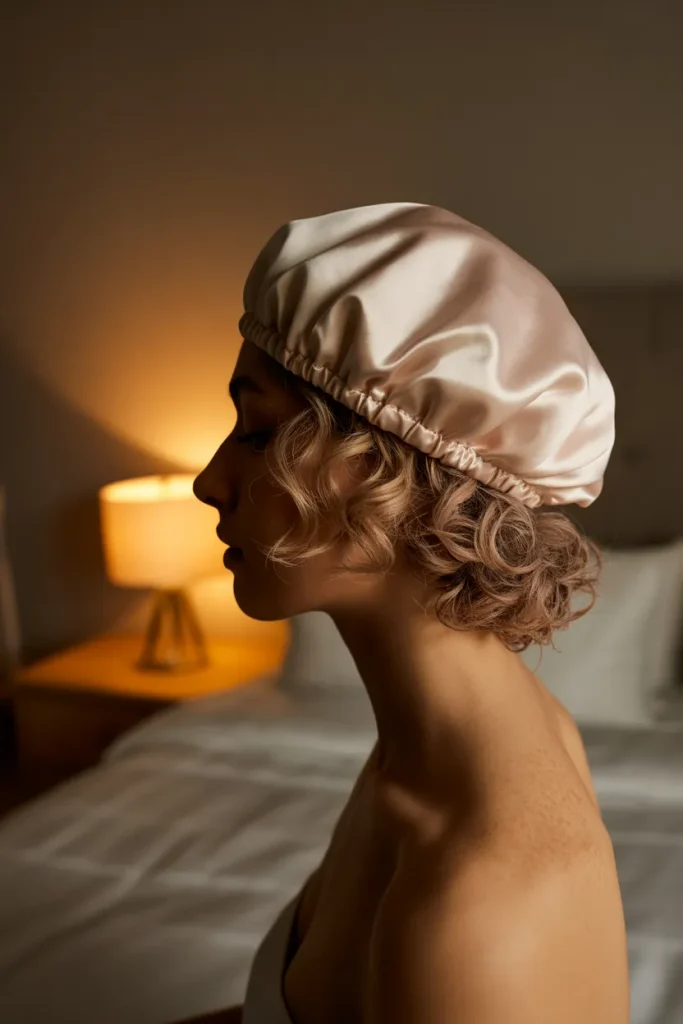
- Protects conditioned lengths while sleeping.
- Reduces overnight friction and tangling.
- Keeps accessories loose and comfortable.
- Helps preserve curl or wave definition.
- Works with different hair densities.
- Requires hair to be mostly dry beforehand.
Nighttime care can preserve the softness created during a conditioning session. Start by ensuring hair is dry before securing it. Choose a loose protective arrangement that does not create tension. A smooth bonnet or low-friction pillow surface can help. Avoid tight elastics that leave deep marks around delicate lengths. Long hair can be loosely gathered to reduce overnight tangling. Curly textures may benefit from preserving their shape with minimal handling. Straight hair can stay smoother when friction is reduced during sleep. Keep the scalp comfortable by avoiding overly warm, restrictive coverings. Morning styling becomes easier when nighttime manipulation stays gentle.
Your nighttime method should match texture, density, and preferred morning styling. Thick hair may need larger, looser sections overnight. Fine hair often benefits from minimal accessories and lighter fabric. Curly patterns can require enough space to avoid crushing their shape. If roots become oily, keep heavy products away from them. Replace or wash sleep accessories regularly according to their care instructions. Morning detangling should begin with fingers before using a suitable tool. Avoid pulling through flattened or tangled areas too quickly. Small nighttime habits can reduce friction without adding complicated steps. The goal is comfortable protection, not perfect overnight styling.
Balanced Moisture Routine
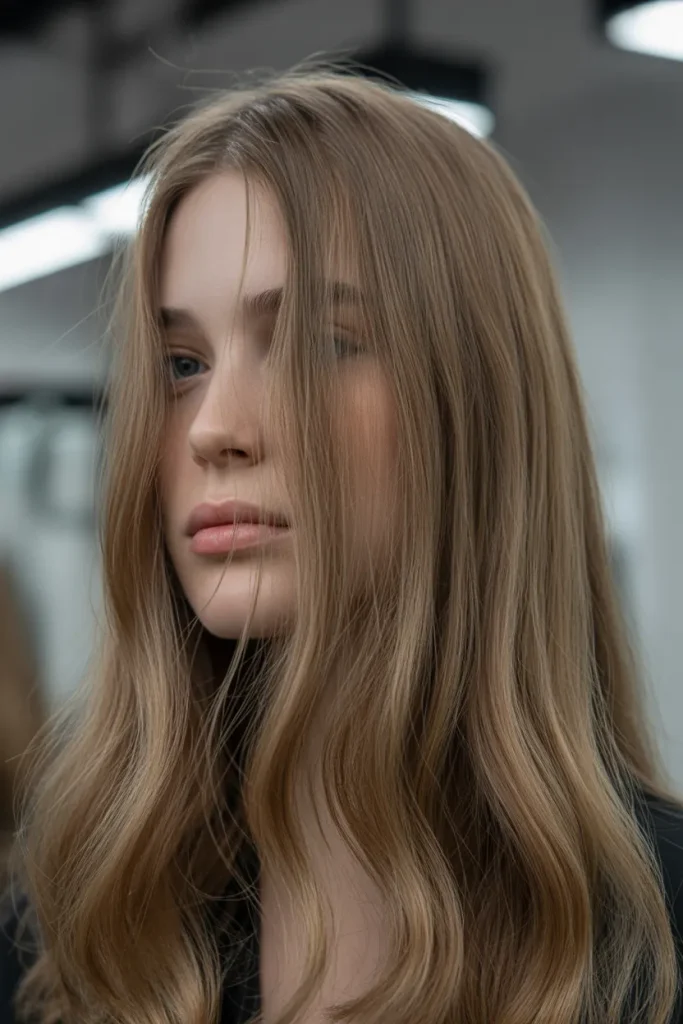
- Balances softness with natural movement.
- Prevents excessive product layering.
- Encourages observation between wash days.
- Combines cleansing, conditioning, and gentle handling.
- Helps fine hair avoid excessive heaviness.
- Supports flexible routines instead of rigid schedules.
A balanced routine matters more than chasing moisture every wash. Steaming can be useful, but hair still needs cleansing and variety. Use moisturizing treatments when dryness or roughness calls for them. Do not assume softer always means healthier or stronger hair. Watch how strands behave during washing, drying, and styling afterward. Excessive softness can sometimes make fine hair feel less supported. Product buildup can also disguise the need for simpler cleansing. Alternate routines according to season, texture, and styling demands. In my experience, responsive care works better than rigid schedules. Let your hair provide feedback through texture, movement, and manageability.
Understanding balance helps explain many hair steaming pros and cons clearly. Benefits can include softness, easier conditioning, and more comfortable detangling. Downsides may appear when heat, duration, or product use becomes excessive. Sensitive scalps need especially careful temperature control during every session. Fragile lengths also benefit from shorter, gentler treatment periods overall. Keep expectations practical because steaming cannot reverse structural damage. Combine moisture care with trimming, gentle handling, and sensible styling. Review your routine whenever your hair’s behavior noticeably changes. A simple record can reveal which products genuinely improve manageability. Good hair care remains individualized, flexible, and grounded in observation.
Seasonal Steam Care
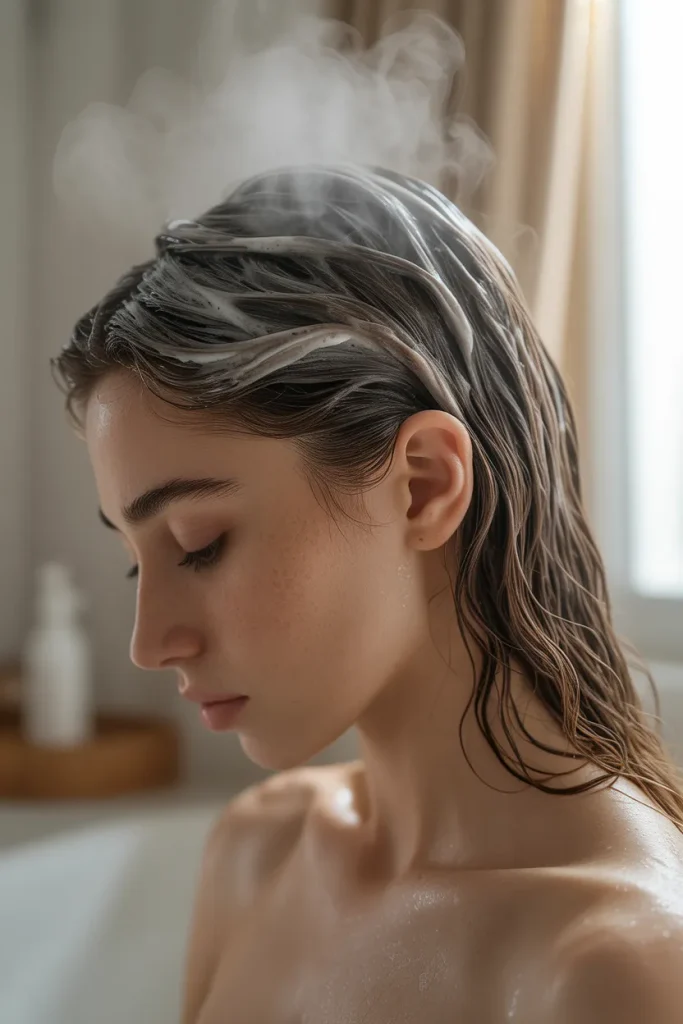
- Adjusts moisture care when weather changes.
- Gives extra attention to dry winter ends.
- Favors lighter formulas during humid periods.
- Keeps steaming occasional rather than automatic.
- Encourages small, observable routine changes.
- Helps prevent unnecessary product experimentation.
Seasonal changes can make the moisture routine feel different. Winter air may leave lengths feeling rougher and less flexible. Humid weather can make heavily conditioned hair feel unnecessarily coated. Adjust product weight before automatically increasing steaming frequency for dryness. During colder months, focus attention on ends and friction. In humid months, prioritize lightweight formulas and controlled product amounts. Keep wash frequency based on scalp needs rather than calendar habits. Steam can remain occasional instead of becoming a mandatory weekly step. I’ve noticed seasonal adjustments often prevent unnecessary product experimentation. Your routine should evolve when your environment and styling habits change.
Weather affects drying time, texture, and how products behave on hair. Give dense or long hair enough time to dry thoroughly. Avoid tying wet lengths tightly simply because mornings feel rushed. Use breathable, comfortable accessories when covering hair during colder weather. In humid conditions, touching hair repeatedly can encourage visible frizz. In dry conditions, gentle leave-ins may improve combing comfort afterward. Keep richer treatments focused where dryness actually appears most noticeable. Do not add oils automatically if hair already feels coated. Seasonal care works best when changes remain small and observable. That makes it easier to identify what truly helps.
Conclusion
Beautiful hair care does not have to mean complicated routines or endless products. The right moisture approach can make strands feel softer, easier to detangle, and more comfortable to style. Understanding the hair steaming pros and cons helps you decide when controlled warmth belongs in your routine and when simpler conditioning is the better choice. I’ve seen how small changes in temperature, product amount, sectioning, and aftercare can make wash day feel much easier. Choose the tips that match your texture, dryness, density, and lifestyle. Save this guide to Pinterest for your next conditioning day, try one practical idea at a time, and share it with someone who could use a little extra moisture inspiration. Your best routine starts with understanding your hair.