15 Ways how to Know If Your Hair Is Thick or Thin
This guide explores simple visual and styling clues through 15 modern hairstyles designed to reveal how different hair densities behave. You’ll see how layers, blunt ends, short cuts, waves, curls, and carefully shaped silhouettes can change the way thickness appears. This is especially helpful when your hair looks completely different after washing, blow-drying, or adding texture.
In my experience, the most useful clues often come from observing how your hair sits naturally rather than judging it from one hairstyle alone. Notice how your ends fall, how much space appears between strands, and how easily your hair holds volume. These details can help you choose styles that work with your natural texture instead of fighting it.
Butterfly Volume Cut
- Crown layers make natural density easier to observe.
- Thick strands create a broader, fuller silhouette.
- Finer hair shows more separation between layers.
- Long feathered ends add movement without excessive bulk.
- Works beautifully with middle or soft side parts.
- Best for polished everyday styling and events.
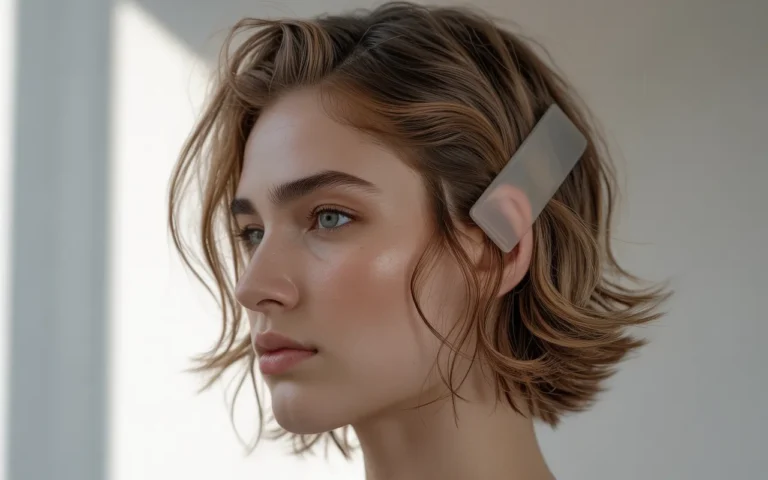
A polished butterfly cut makes hair density surprisingly easy to read. Shorter crown layers lift away from the scalp, while longer pieces reveal whether the overall shape has substantial fullness or a lighter fall. Thick hair usually creates a broader, weightier silhouette, whereas finer strands tend to separate more softly around the face. I’ve noticed layered shapes are useful when comparing density because the haircut exposes how much hair holds each section in place. Wear it smooth for a salon finish, or add loose bends for an airy, modern Pinterest-ready look. This shape also photographs beautifully from every flattering angle.
Ask your stylist to keep enough perimeter weight if your hair feels delicate, then graduate the layers according to how much natural body you have. On denser hair, removing strategic interior weight can prevent the shape from becoming triangular or overly heavy. A round brush brings out the dramatic sweep, while a large curling iron creates softer bends. This silhouette works beautifully with middle parts, deep side parts, and face-framing pieces adjusted to your features. For everyday wear, refresh the crown with dry shampoo and reshape the front with a quick blow-dry. The result feels glamorous without requiring complicated styling every morning.
Sculpted Midi Layers
- Midi length keeps the silhouette balanced and sophisticated.
- Curved ends show how much natural weight remains.
- Face-framing layers soften strong cheekbones.
- Dense hair can support fuller sculpted edges.
- Fine hair benefits from restrained layering.
- Easy to dress up with sleek or softly waved finishes.
Sculpted midi layers give the hair a refined shape while making its natural fullness easier to notice. The balanced length keeps the ends visible, so you can observe whether they form a substantial line or appear wispy and separated. This is one reason haircut shape can help when learning how to know if your hair is thick without relying only on touch. A fuller mane often creates a denser-looking perimeter, while finer strands may need careful shaping to prevent sparse-looking ends. The finished style feels elegant, modern, and intentionally polished, especially when the layers curve gently toward the shoulders.
For styling, use a smoothing cream before blow-drying, then direct the ends slightly inward with a medium round brush. Avoid aggressive thinning if your strands already look lightweight, because excessive texturizing can make the perimeter appear less substantial. On fuller hair, subtle internal layers can reduce heaviness while preserving the polished outline. A center part creates symmetry, while a relaxed side part adds softness. This haircut transitions easily from office mornings to dinner plans and photographs especially well when the ends have a clean bend. A lightweight shine spray can finish the look without flattening natural movement or making roots appear greasy.
Airy French Bob
- Chin length instantly highlights the hair’s perimeter.
- Fuller hair creates a compact, substantial bob shape.
- Finer strands can look airy and delicate.
- Soft fringe frames the eyes without feeling heavy.
- Textured ends create contemporary French-inspired movement.
- Ideal for casual styling, dates, and editorial portraits.
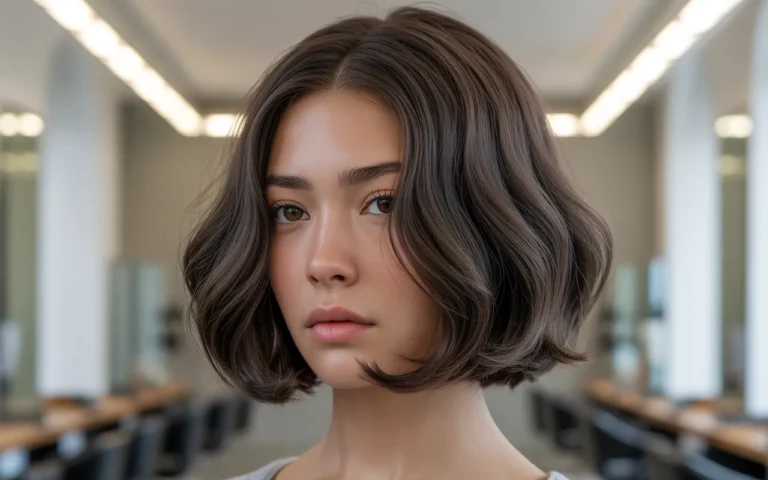
An airy French bob creates a compact silhouette that makes hair density surprisingly visible. Because the cut ends around the chin, there is less length to disguise how much hair gathers along the perimeter. Thick hair can form a strong, rounded outline, while finer strands may look lighter and more separated at the ends. The subtle fringe adds another clue because it shows how much coverage your front section naturally provides. I’ve seen this length work especially well for people who want a fashionable haircut that still feels practical. A slight bend through the ends keeps the finished shape relaxed rather than overly precise.
Styling depends on how your strands behave naturally. Fuller hair often benefits from a small amount of smoothing product and controlled blow-drying to keep the shape sleek. Finer hair may respond better to lightweight volumizing mousse and a gentle root lift. Keep the fringe soft instead of heavily flattened, particularly if you want movement around the forehead. A tiny amount of texture spray can separate the ends without creating stiffness. The bob works with straight, lightly wavy, or naturally textured hair when the cut is customized appropriately. Regular trims help maintain the crisp chin line and prevent the silhouette from losing its intentional shape.
Blunt Glass Lob
- A blunt perimeter makes density visually obvious.
- Thick hair can produce a strong, substantial edge.
- Fine hair benefits from preserving maximum length weight.
- Sleek styling emphasizes strand separation and shine.
- Shoulder length offers excellent everyday versatility.
- Perfect for minimalist luxury and polished occasions.
The blunt glass lob is a useful visual test because its straight perimeter leaves very little room for layers to disguise density. A fuller head of hair can create a noticeably substantial edge, while finer hair often forms a narrower line with more visible separation between strands. When exploring how to know if your hair is thick, observing the ends after a sleek blowout can provide a simple visual clue. The glossy finish also reveals how strands sit together rather than hiding them inside curls. This haircut feels especially current when paired with a clean middle part and perfectly smooth, shoulder-skimming length.
To create the glass effect, apply heat protectant first, then blow-dry in controlled sections before using a flat iron if necessary. Avoid repeated passes, especially on fragile ends. Dense hair may need sectioning and a smoothing serum, while fine hair usually looks better with minimal product near the roots. Ask for a genuinely blunt perimeter rather than heavily texturized ends if your goal is to preserve visual fullness. The style suits professional settings, evening outfits, and minimalist wardrobes. Between washes, a clean brush-through and small amount of lightweight serum can restore polish without making the entire hairstyle look stiff or overly coated.
Cloud Curl Shag
- Rounded layers create dramatic curly volume.
- Dense curls can build a fuller cloudlike silhouette.
- Fine curls may appear lighter and more separated.
- Graduated shaping prevents the cut from becoming boxy.
- Works with naturally curly and coily textures.
- Diffused styling preserves softness and movement.
The cloud curl shag turns natural texture into a soft, rounded silhouette that makes density easy to observe. Multiple layers allow curls to expand rather than hang in one heavy shape, so fuller hair often creates a noticeably generous crown. Finer curls may form a more delicate outline with additional space between individual ringlets. This is especially useful when trying to understand how to know if your hair is thick because density becomes visible through the amount of texture occupying the shape. The finished haircut feels playful yet elevated, with enough movement for Pinterest-worthy volume while still looking believable for everyday wear.
For the best result, style curls while they are very damp, distributing a lightweight leave-in conditioner before applying mousse or gel. Fuller curls may need sectioning so every layer dries evenly, while finer curls often benefit from lighter formulas that do not collapse the shape. A diffuser on low airflow can encourage definition without roughening the cuticle excessively. Avoid brushing dry curls, which can disrupt the intended pattern and create unwanted expansion. This shag suits festivals, casual weekends, creative workplaces, and evening plans. Refresh flattened sections with water and a small amount of styling cream rather than repeatedly adding heavy product.
Ribbon Layered Waves
- Long layers create graceful movement through the lengths.
- Wave separation reveals how much hair occupies each section.
- Thick hair produces fuller, heavier ribbons.
- Fine hair can appear delicate and lightweight.
- Face-framing pieces brighten the front profile.
- Suitable for weddings, dinners, and elevated everyday wear.
Ribbon layered waves create a flowing silhouette that lets natural density show through movement. The long sections form broad S-shaped bends rather than tight curls, making it easier to notice how much hair fills each wave. Fuller hair usually produces thicker, more substantial ribbons, while finer hair tends to create narrower pieces with more visible separation. I’ve noticed this finish is particularly flattering when someone wants to assess their texture without sacrificing a glamorous appearance. The layers prevent long hair from becoming visually flat, while the controlled waves add dimension without requiring an exaggerated curling technique or an overly styled finish.
Use a large barrel iron or heatless overnight method to create relaxed bends, alternating the direction of selected sections for a natural result. Dense hair may require smaller sections and additional drying time, while finer hair can benefit from fewer passes and a lighter hold product. Keep the roots relatively clean and lifted so the lengths do not appear weighed down. A center part creates a symmetrical editorial effect, while a loose side part adds romantic softness. This hairstyle works beautifully with satin dresses, tailored outfits, and casual denim. Trim the longest layers periodically to maintain movement without allowing the ends to become uneven.
Modern Halo Pixie
- Short length makes scalp coverage easier to observe.
- A fuller crown creates a rounded halo effect.
- Fine strands can look softer and more delicate.
- Tapered sides sharpen the facial silhouette.
- Textured top adds contemporary editorial character.
- Low styling time makes it practical for busy routines.
A modern halo pixie makes hair density visible because the short silhouette leaves almost nothing hidden inside the lengths. The crown remains softly rounded, while tapered sides reveal how much coverage your hair naturally provides around the head. Fuller hair can create a plush, compact shape, whereas finer strands may show more scalp visibility or a flatter contour depending on texture and styling. This haircut is also helpful for noticing strand behavior because each section has limited weight pulling it downward. The result feels futuristic and clean, especially when the top is styled with subtle separation instead of exaggerated spikes or stiff texture.
Ask your stylist to customize the taper around your natural growth patterns rather than copying a reference photo exactly. A lightweight styling paste can define the top without making fine strands look greasy. Fuller hair may tolerate a slightly stronger cream to control expansion around the crown. Use fingertips instead of a brush when creating the final texture, since manual shaping keeps the finish relaxed. This pixie suits active mornings, travel, creative workspaces, and statement evening looks. Maintenance is more frequent than with longer cuts because the silhouette changes as the sides grow. Regular trims keep the halo shape intentional and balanced.
Soft Bixie Sweep
- The bixie combines bob length with pixie lightness.
- Layer placement reveals natural crown fullness.
- Fuller hair creates a richer, rounded sweep.
- Fine hair benefits from controlled, purposeful layers.
- Side sections create flattering cheekbone framing.
- Easy to style with fingers and lightweight cream.
The soft bixie sweep sits between a bob and pixie, creating a modern shape that exposes natural density without looking severe. Shorter layers around the crown encourage lift, while slightly longer side pieces frame the face. Fuller hair can hold a rounded, substantial silhouette, while finer hair often creates a lighter, more feathered effect. This makes the cut useful when learning how to know if your hair is thick because you can observe how much the shape expands after drying. The style feels youthful without being overly trendy, especially when the finish stays touchable and the side sweep remains slightly imperfect.
For a salon finish, apply a small amount of volumizing mousse before blow-drying the crown upward and directing the sides toward the cheekbones. Dense hair may need controlled smoothing through the interior, while finer hair usually needs lift rather than additional weight. A small amount of styling paste can separate the ends after drying. Avoid applying rich oils directly to the crown if your roots become flat quickly. The bixie works with straight, softly wavy, and lightly textured hair when the layers are tailored appropriately. It is particularly practical for quick mornings because the short shape can often be refreshed with damp fingers.
Velvet Curtain Layers
- Curtain layers create a soft frame around the face.
- Longer lengths preserve visual weight and movement.
- Dense hair can support broader layered panels.
- Fine hair benefits from restrained face framing.
- The center part creates balanced symmetry.
- Beautiful for romantic events and everyday styling.
Velvet curtain layers create a soft frame that makes the front sections especially easy to observe. The parted pieces sweep away from the face before blending into longer lengths, showing whether the hair naturally forms broad panels or delicate strands. Fuller hair often produces a richer curtain effect, while finer hair may create a lighter, more transparent frame. This distinction can help when learning how to know if your hair is thick, particularly when comparing the same hairstyle on different people. The overall look feels romantic but current, with enough movement to suit Pinterest boards without becoming overly complicated or theatrical.
To style the curtain pieces, direct each side away from the face with a round brush, then allow the hair to cool before gently loosening it. Fuller hair may need sectioning and controlled tension to keep the layers smooth, while fine hair benefits from moderate heat and a lightweight volumizing spray. Keep the longest layers substantial if you want the hairstyle to appear fuller. A center part creates a symmetrical finish, while a slightly off-center part gives more casual movement. This haircut pairs easily with knitwear, tailoring, evening dresses, and denim, making it versatile across seasons and different personal styles.
Liquid S-Curve Cut
- Continuous S-curves create an elegant flowing silhouette.
- Smooth lengths reveal strand separation clearly.
- Thick hair creates more substantial waves.
- Fine hair produces a lighter liquid effect.
- Mid-length proportions keep the style manageable.
- Ideal for polished parties, dinners, and portraits.
The liquid S-curve cut gives straight or softly wavy hair a controlled flow that makes its natural weight easier to notice. Instead of creating separate curls, the styling forms one continuous sequence of gentle bends through the lengths. Fuller hair tends to produce deeper, broader curves, while finer strands often create a narrower and more delicate movement. This controlled silhouette is particularly useful for observing how hair responds to heat and tension. The result feels luxurious without looking stiff, especially when the ends remain smooth and the bends are brushed into one cohesive pattern rather than separated into obvious curls.
Begin with heat protectant and a smooth blowout, then use a large barrel iron or flat iron to create broad bends. Work in medium sections so the shape stays fluid rather than becoming overly curled. Dense hair may need smaller subsections, while fine hair usually responds better to fewer passes and moderate heat. Finish with a tiny amount of serum through the ends, keeping the roots product-free. This cut looks sophisticated with a clean middle part but becomes softer with a side part. It is excellent for formal dinners, polished work outfits, photographs, and occasions where you want movement without obvious curls.
Textured Octave Bob
- Staggered layers create a modern geometric silhouette.
- Interior movement prevents dense hair from feeling heavy.
- Airy ends give fine hair visual lightness.
- Short length emphasizes natural perimeter density.
- Architectural shaping feels runway-inspired and fresh.
- Works well with sleek or tousled finishes.
The textured octave bob uses staggered interior sections to create a sculptural silhouette while keeping the outer shape intentional. Because the cut sits around the chin and neckline, the perimeter provides a clear view of how much hair gathers along the edge. Dense hair can support a stronger geometric outline, while finer hair may create a softer, more delicate finish. The interior texture adds movement without turning the entire haircut into a heavily layered style. I’ve found structured short cuts especially useful when comparing density because their shape depends on how much hair physically supports each section rather than relying on long lengths.
For styling, use a smoothing lotion on damp hair and blow-dry with a paddle brush for a clean finish. To create a more editorial result, twist selected sections while drying and finish with a dry texture spray. Fuller hair may need subtle interior debulking, but fine hair should generally retain enough perimeter weight to keep the shape looking intentional. The bob can be parted centrally or slightly off-center depending on facial proportions. It suits creative offices, gallery events, dinners, and casual weekends. A regular trim keeps the geometric outline crisp and prevents the shorter sections from losing their carefully balanced relationship.
Feathered Collarbone Cut
- Collarbone length offers an easy balance of shape and manageability.
- Feathered ends create softness without excessive shortening.
- Fuller hair supports a richer layered silhouette.
- Fine hair can retain enough length weight.
- Face-framing pieces enhance the cheek and jaw area.
- Versatile for workdays, travel, and special occasions.
The feathered collarbone cut creates a soft silhouette while keeping enough length to observe natural fullness. The ends sit around the collarbone, where they can show whether your hair forms a substantial line or breaks into finer pieces. Strategic feathering adds movement without removing large amounts of visible length. Fuller hair usually creates a richer overall shape, while finer hair can benefit from restrained feathering that avoids making the perimeter look sparse. The result feels effortless and current, especially when the front pieces curve gently toward the face. It is a practical option for anyone wanting movement without committing to a dramatically short haircut.
Style this cut with a medium round brush, directing the front sections backward and allowing the ends to curve naturally. Dense hair can be divided into more sections for smoother control, while finer hair benefits from root lift and minimal heavy styling cream. If your ends already look delicate, ask for feathering mainly around the face rather than throughout the entire perimeter. A middle part creates a balanced finish, while a loose side part adds volume visually on one side. This haircut transitions easily from office styling to relaxed weekends, and it can be worn straight, softly waved, or air-dried with natural texture.
Micro Fringe Shag
- Micro fringe immediately highlights front-section density.
- Choppy layers create expressive movement around the crown.
- Fuller hair can support a stronger shag silhouette.
- Fine hair creates a softer, airier finish.
- Short fringe adds an editorial fashion element.
- Best for expressive casual and creative styling.
The micro fringe shag makes the front of the hairstyle a clear focal point, allowing you to observe how much hair naturally gathers across the forehead. A fuller fringe tends to look more substantial, while finer strands may create a lighter, more separated edge. Behind it, choppy crown layers create movement and reveal how the rest of the hair expands after drying. This combination feels intentionally undone rather than messy, making it a strong Pinterest-style choice for someone who wants personality. The short fringe also changes the visual balance of the face, drawing attention toward the eyes and upper cheekbones.
Styling should preserve the haircut’s irregular texture rather than forcing every strand into place. Apply lightweight mousse to damp roots, then blow-dry the fringe forward using your fingers. Let the crown dry with natural movement before adding a small amount of texture paste to selected ends. Dense hair may need careful interior shaping so the shag does not become too wide, while finer hair benefits from keeping enough layers to create movement. Because the fringe is short, it requires regular trimming to maintain its intended proportion. The style suits concerts, creative workplaces, casual outings, and fashion-forward events especially well.
Long U-Curve Layers
- The U-shaped perimeter makes overall density easy to observe.
- Long lengths preserve substantial visual weight.
- Fuller hair creates a richer curved outline.
- Fine hair benefits from limited interior layering.
- Face-framing sections add movement without losing length.
- Excellent for long-hair lovers wanting a polished shape.
Long U-curve layers offer a practical way to see how much hair occupies the lower half of the silhouette. The rounded perimeter keeps the longest pieces connected, while subtle face-framing sections add movement near the front. Fuller hair often creates a broad, substantial curve across the back, whereas finer hair may appear narrower and more delicate. Because the haircut does not depend on dramatic layers, the natural weight of the lengths remains visible. This makes it especially useful when comparing density after washing and drying. The finished look feels polished, feminine, and effortless without requiring an elaborate styling routine.
Ask for a gentle U shape rather than an aggressively layered perimeter if preserving fullness is important. Blow-dry the longest sections downward first, then use a large round brush to soften the front pieces. Dense hair may need controlled sectioning to prevent uneven drying, while fine hair usually benefits from lightweight volumizing products and minimal oils. A center part emphasizes symmetry, while a side part introduces extra movement around the face. The haircut works with straight, wavy, and lightly textured hair when the layering is adapted appropriately. It is especially practical for people who enjoy long hair but want more shape through the front.
Glossy Italian Lob
- Rounded volume gives the lob a sophisticated silhouette.
- Fuller hair creates a plush, substantial shape.
- Fine hair benefits from preserving the rounded perimeter.
- Side parting adds instant visual lift.
- Shoulder length balances glamour and practicality.
- Excellent for dinners, portraits, and polished daily wear.
The glossy Italian lob combines shoulder length with controlled volume, creating a shape where natural fullness becomes easy to observe. Its rounded ends and subtle side part encourage the hair to sit away from the head rather than falling completely flat. Fuller hair can produce a plush, substantial outline, while finer strands may create a lighter silhouette with less natural expansion. The style is useful when exploring how to know if your hair is thick because the volume comes from the hair’s own structure as well as from styling. Its polished finish feels luxurious while remaining realistic enough for everyday salon maintenance.
Create the shape with a smooth blowout, directing the roots upward and the ends slightly inward. Fuller hair may need a paddle brush through the interior before finishing with a round brush, while finer hair benefits from volumizing mousse applied close to the roots. Keep serum mainly on the mid-lengths and ends so the crown retains lift. A deep side part adds drama, while a softer side part feels more casual. This lob pairs well with tailored clothing, evening makeup, denim, and simple jewelry. Refresh it between washes with a dry shampoo at the roots and a quick brush-through.
Conclusion
Understanding your hair density can make hairstyle choices feel much simpler and more intentional. Once you know how to know if your hair is thick, you can better recognize which cuts preserve fullness, which layers create movement, and which styling techniques suit your natural texture. The 15 looks in this guide offer plenty of inspiration, from polished bobs and sculpted waves to airy layers and modern short cuts. I’ve seen how the right shape can completely change the way hair moves and frames the face. Save this post to Pinterest so you can revisit your favorite ideas, try a new look yourself, and share it with someone who is also figuring out their hair. Your next great hairstyle may be closer than you think.