15 Layered Bob Hairstyles for Women Over 60 Trendy
Your next haircut could be the easiest way to make your whole look feel fresher. ✨
Want a bob that feels polished, flattering, and wonderfully easy to style?
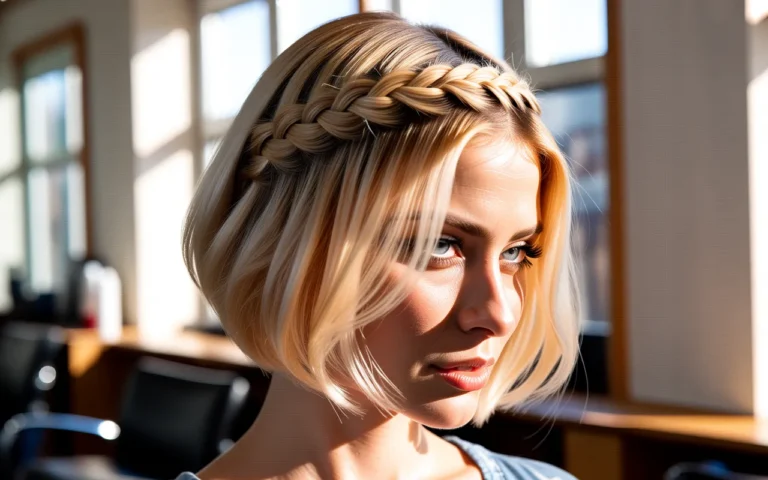
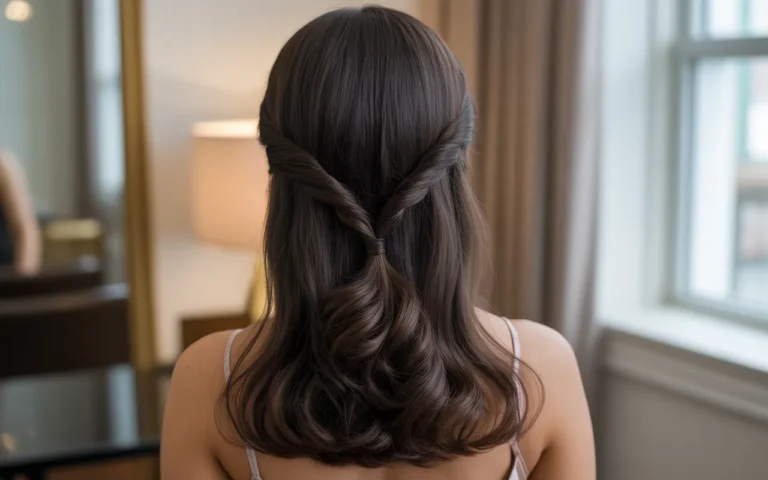
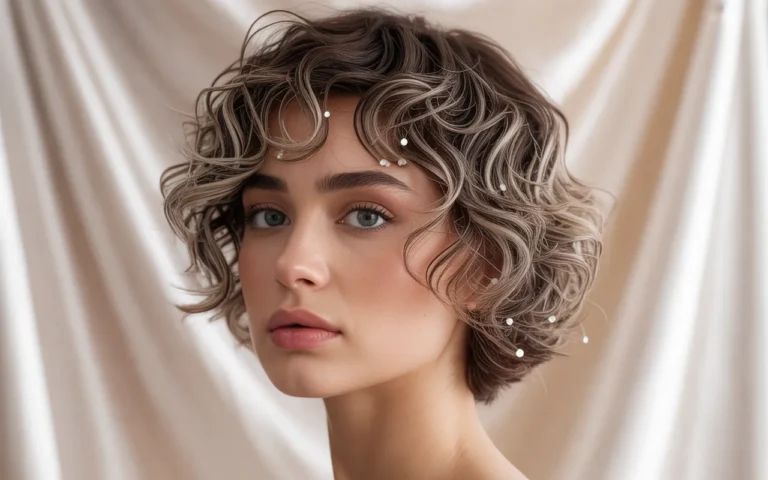
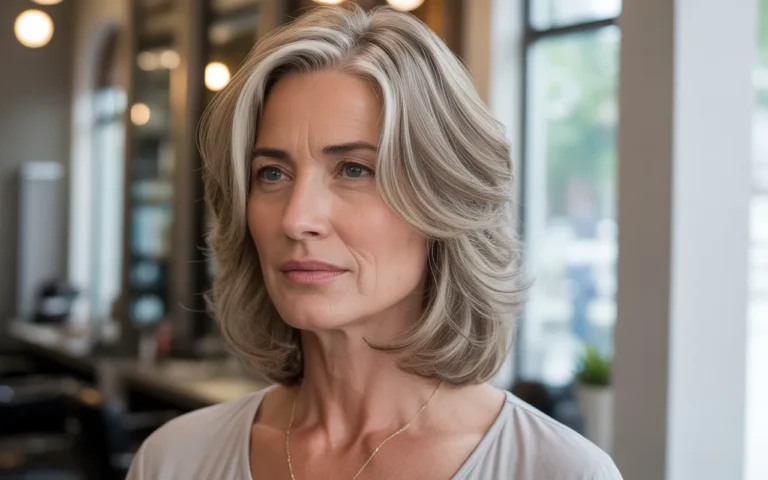
Layered bob hairstyles for women over 60 offer plenty of ways to add movement, softness, and shape without making daily hair care complicated. Whether your hair has become finer with age, feels flat at the crown, or simply needs a modern refresh, the right layers can make a noticeable difference. From softly curved ends to airy crown movement, these styles give you practical options for creating a fuller-looking, beautifully balanced silhouette.
In my experience, the most successful hairstyles are the ones that work with your natural texture rather than against it. A well-placed layer can reduce heaviness, encourage movement, and make styling faster. I’ve noticed that even a small change in length or layering can completely refresh a familiar bob. Explore these ideas for inspiration, then choose the shape that fits your hair, lifestyle, and personal style best.
Sculpted Nape Bob
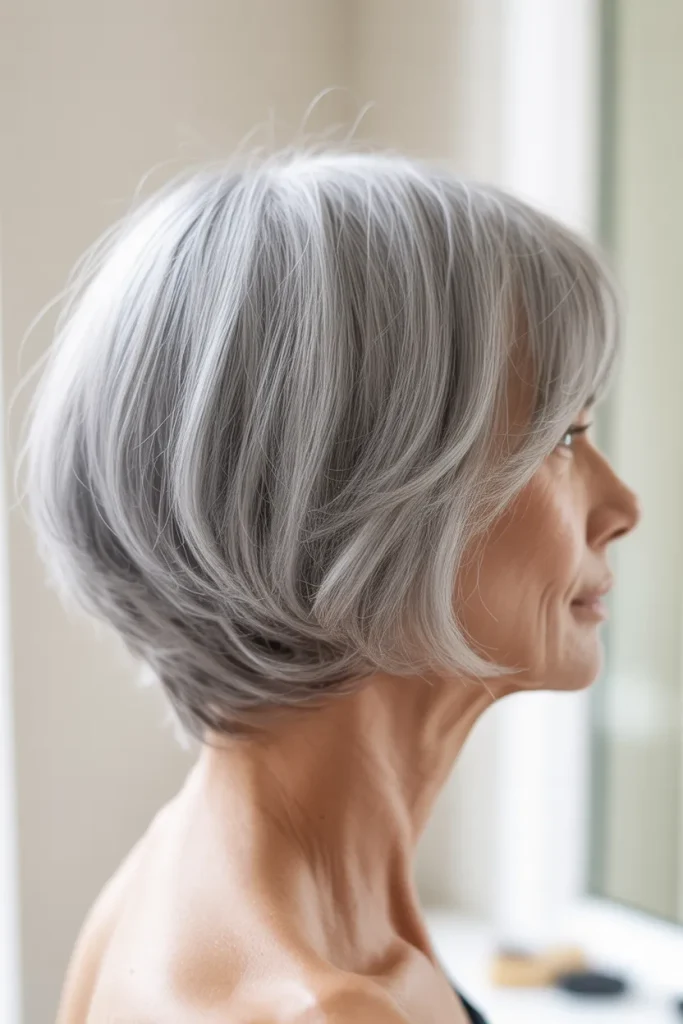
- Creates a clean, lifted shape around the back of the head.
- Shorter nape layers help the haircut sit neatly without looking bulky.
- Longer upper layers maintain enough softness around the face.
- Works beautifully with naturally straight or lightly wavy hair.
- Gives fine hair a more structured, fuller-looking silhouette.
- Easy to polish with a round brush and lightweight styling cream.
- Looks refined enough for dinners while remaining practical for everyday wear.
This bob catches attention from the back before revealing its softly framed front. The sculpted nape creates a tidy foundation, while the longer layers above it keep the haircut from feeling severe. For women who dislike hair sitting heavily against the neck, this shape can feel noticeably lighter and fresher. I’ve noticed that shorter layers underneath often help fine hair appear more controlled without relying on excessive product. A small amount of smoothing cream is usually enough to define the shape. The result works especially well for polished daytime outfits, family gatherings, lunches, or occasions when you want your haircut to look intentionally styled without spending a long time in front of the mirror.
The real advantage is how naturally this shape follows the head rather than simply hanging downward. A round brush can lift the upper sections, while directing the ends slightly inward creates that neat salon-finished curve. If your hair has a little natural movement, you can also allow it to air-dry and then refine only the front pieces. Stylists often recommend keeping the nape carefully maintained because this area controls the overall silhouette. Regular trims help preserve its crisp outline. For women searching for layered bob hairstyles for women over 60 that feel sophisticated but not overly complicated, this variation offers a practical balance of structure, softness, and easy daily styling.
Airy Crown Bob
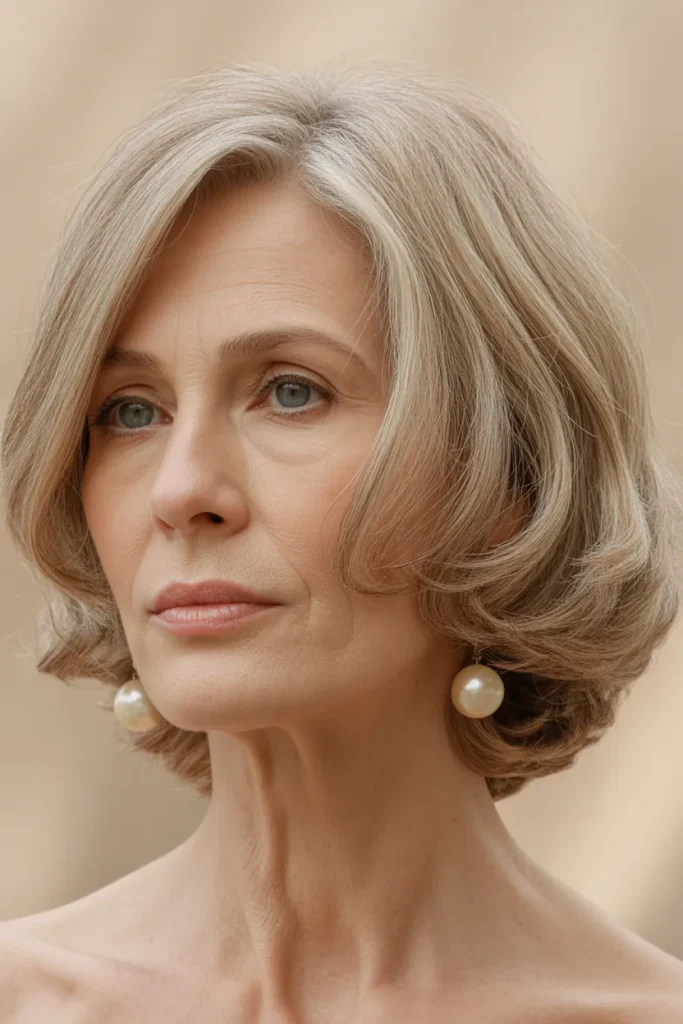
- Adds light, separated layers through the crown for natural movement.
- Keeps the perimeter soft instead of creating a heavy blunt edge.
- Ideal for fine or medium-density hair needing more visible dimension.
- A side-swept front section creates gentle facial framing.
- Lightweight layers prevent the haircut from appearing flat at the top.
- Can be styled with fingers for a relaxed, modern finish.
- Particularly flattering for casual days when you want effortless volume.
A little air at the crown can completely change how a short bob looks, especially when the hair tends to collapse against the scalp. This version uses separated layers rather than heavy stacking, giving the top a lighter, more lifted appearance. The side-swept front adds movement without requiring a dramatic fringe. In my experience, fine hair often looks better when styling products are kept away from the roots and used mainly through the mid-lengths and ends. That allows the layers to move instead of becoming stiff. This haircut is especially easy for relaxed mornings, coffee dates, weekend errands, or casual gatherings where you want volume that looks natural rather than carefully constructed.
For everyday styling, start with damp hair and use a lightweight volumizing mousse through the crown. Lift the roots with your fingers while blow-drying, then sweep the front section gently across the forehead. There is no need to curl every strand. Leaving some pieces slightly imperfect can actually make the haircut appear more current and youthful. A small amount of texture spray on the ends can emphasize the separated layers without creating stiffness. This approach also makes the style adaptable: wear it smooth for a more polished appearance or tousle it lightly for weekends. The airy structure gives the haircut movement while keeping its recognizable bob shape.
Beveled Jaw Bob
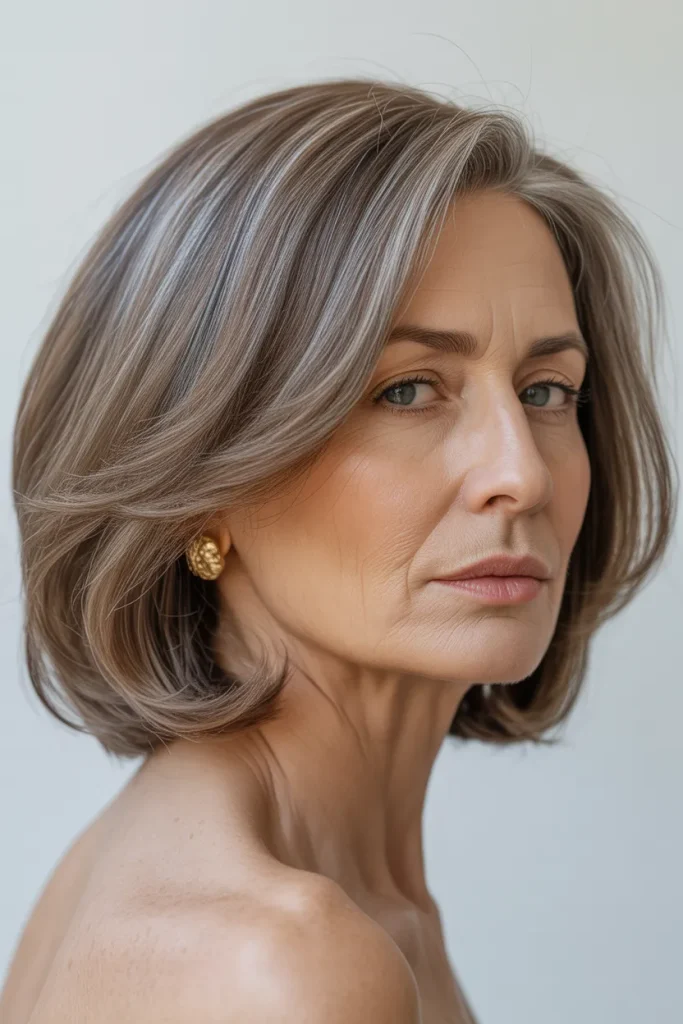
- Uses subtly angled layers to create a clean jawline shape.
- Keeps the back slightly shorter for a gentle forward movement.
- Soft internal layering prevents the ends from looking overly thick.
- Particularly effective on straight or softly textured hair.
- Frames the lower face without creating excessive volume beside the cheeks.
- Easy to smooth with a paddle brush and low-heat blow-drying.
- Makes a polished choice for professional and special occasions.
The gentle angle of this bob gives the jawline a beautifully defined frame without making the haircut look rigid. Instead of dramatic graduation, the layers are placed inside the shape so the outer edge remains smooth and elegant. This can be especially helpful when you want movement but still prefer a refined silhouette. I’ve seen this approach work well for women whose hair becomes puffy when too many short layers are added around the sides. The beveled structure directs the eye forward, creating a sleek visual line around the face. It suits office days, celebrations, dinners, and photographs because the shape remains recognizable even when styled simply.
To recreate the finish at home, apply a small amount of smoothing lotion to damp mid-lengths and ends, then blow-dry with a paddle brush. Keep the airflow directed downward to encourage a smooth surface and reduce unwanted frizz. Once dry, gently turn the front ends inward if you want a more finished curve. The internal layers should provide movement without requiring heavy teasing or backcombing. Stylists often recommend avoiding too much weight removal around the perimeter because it can make a bob lose its distinctive shape. With regular trimming and modest heat styling, this version offers a polished appearance that feels modern while remaining wonderfully manageable.
Feathered Side Bob
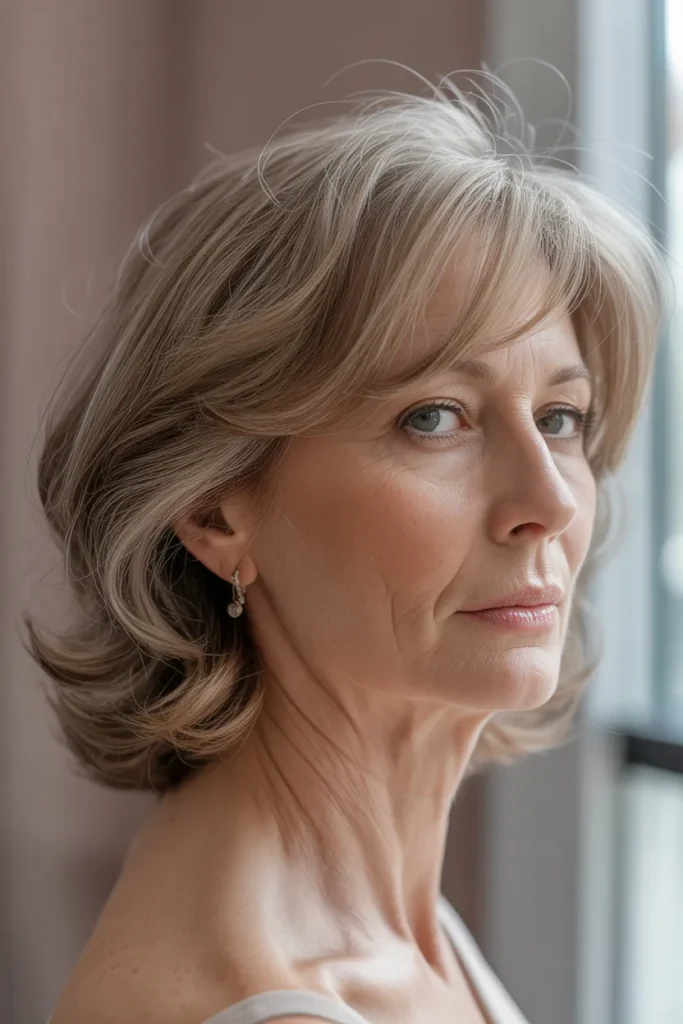
- Uses feathered layers to create soft, flowing movement.
- Keeps the overall length around the jaw for easy maintenance.
- A side part adds natural lift without excessive teasing.
- Particularly pretty on fine, straight, or softly wavy hair.
- Creates a lighter appearance around the cheeks and temples.
- Can be styled with a simple blow-dry and brush.
- Works equally well for relaxed mornings and dressed-up occasions.
Soft movement can make a shorter haircut feel surprisingly graceful, and this feathered shape does exactly that. The layers are directed sideways rather than stacked heavily, allowing the hair to sweep naturally away from the face. That creates a delicate sense of flow while keeping the bob recognizable and easy to manage. I’ve noticed that feathered ends can be especially useful when hair feels limp because they encourage the strands to separate instead of sitting together in one dense line. The side part also gives the crown a little extra lift. This style feels appropriate for everyday wear but photographs beautifully at birthdays, dinners, and family celebrations.
Styling does not need to be complicated. After washing, apply a lightweight mousse through the roots and mid-lengths, then blow-dry while directing the front layers outward with a medium round brush. Avoid pulling the ends too tightly because the feathered effect looks best when it retains some natural movement. If your hair is wavy, simply enhance the existing texture with a small amount of curl cream and let the layers settle naturally. A light finishing spray can hold the sweep without making the hair stiff. Regular shaping around the sides helps preserve the airy direction of the layers and keeps the haircut looking intentional between appointments.
Soft Crescent Bob
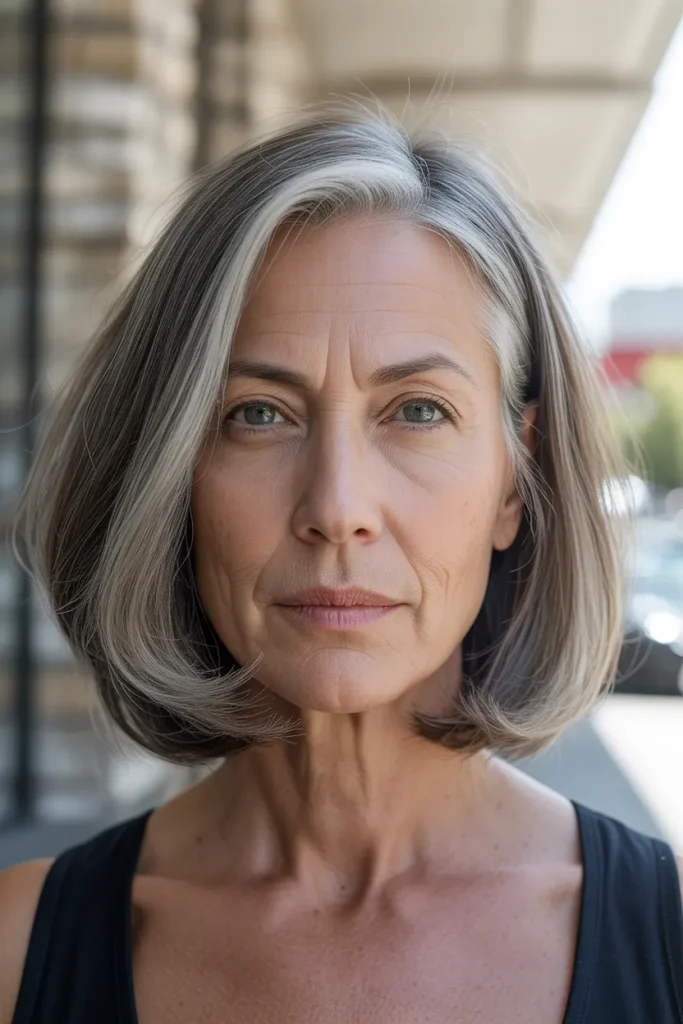
- Creates a gently curved silhouette from front to back.
- Subtle layers keep the ends from appearing heavy.
- The rounded shape gives fine hair a fuller visual finish.
- Looks polished without requiring strong curls or waves.
- Works nicely with natural gray, silver, blonde, or brunette tones.
- Simple enough for low-maintenance styling routines.
- Especially attractive when you want softness around the lower face.
The softly curved outline of this bob gives it a graceful shape that feels polished without looking overly styled. Instead of relying on obvious layers, the haircut uses subtle internal movement to create a smooth crescent-like contour around the face. This makes the ends appear lighter while preserving enough density for a fuller-looking finish. In my experience, understated shaping can be particularly flattering when you want your haircut to look neat even on days when you do very little styling. The curved silhouette also works beautifully with natural silver hair because the gentle shape lets different tones catch the light. It is an easy choice for lunches, appointments, gatherings, or elegant evenings.
For a simple finish, use a smoothing cream on damp hair and blow-dry with a medium paddle brush. Once the hair is nearly dry, gently curve the ends inward using a round brush. The goal is not a strong curl but a soft bend that follows the jawline. If your hair naturally falls straight, you may only need a few minutes of shaping around the front. Those with mild waves can embrace more texture and allow the crescent outline to look slightly relaxed. Stylists often recommend preserving some weight through the ends when creating this type of shape because excessive thinning can weaken the curved silhouette and make maintenance more difficult.
Tapered Temple Bob
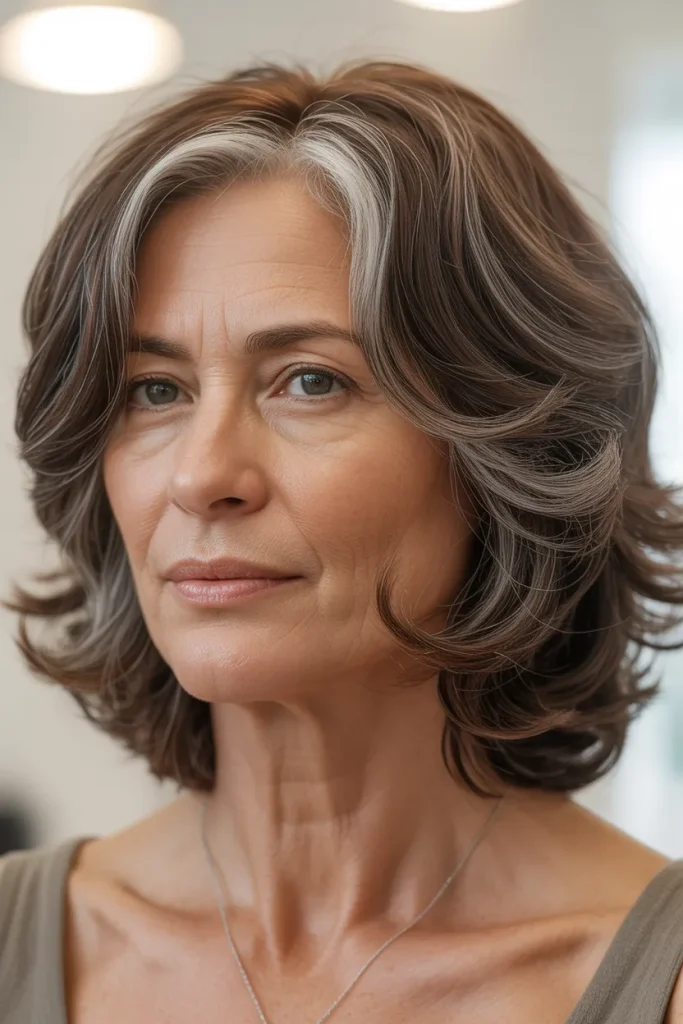
- Uses delicate tapering near the temples for a lighter facial frame.
- Keeps the main bob shape intact through the lower sections.
- Helps prevent thick side areas from overwhelming the face.
- Particularly useful for medium-density or coarse hair.
- Creates a clean transition from the forehead to the jaw.
- Looks sophisticated with both natural and colored hair.
- Can be styled sleekly or left with subtle natural texture.
A small change around the temples can make an entire bob feel lighter and more balanced. This design gently tapers the hair beside the forehead while leaving enough length through the lower sections to maintain the classic bob silhouette. The result is a clean frame that does not feel too sharp or severe. I’ve noticed that women with medium-density or thicker hair often appreciate this kind of controlled taper because it reduces visual bulk exactly where the haircut can otherwise feel crowded. The style is versatile enough for daily wear yet refined enough for formal occasions. It also allows natural silver strands to become part of the overall dimension.
At home, concentrate your styling effort on the temple area rather than trying to perfect every section. A small amount of smoothing balm can help those shorter pieces lie neatly against the head. Blow-dry them with a narrow brush, directing the hair slightly backward and away from the face. Keep the lower bob relaxed so the contrast between the tapered temples and fuller perimeter remains visible. If your hair is naturally wavy, avoid brushing too aggressively once it dries because that can create unnecessary puffiness. A maintenance trim every several weeks can keep the temple taper precise while allowing the rest of the haircut to grow naturally.
Wispy Earline Bob
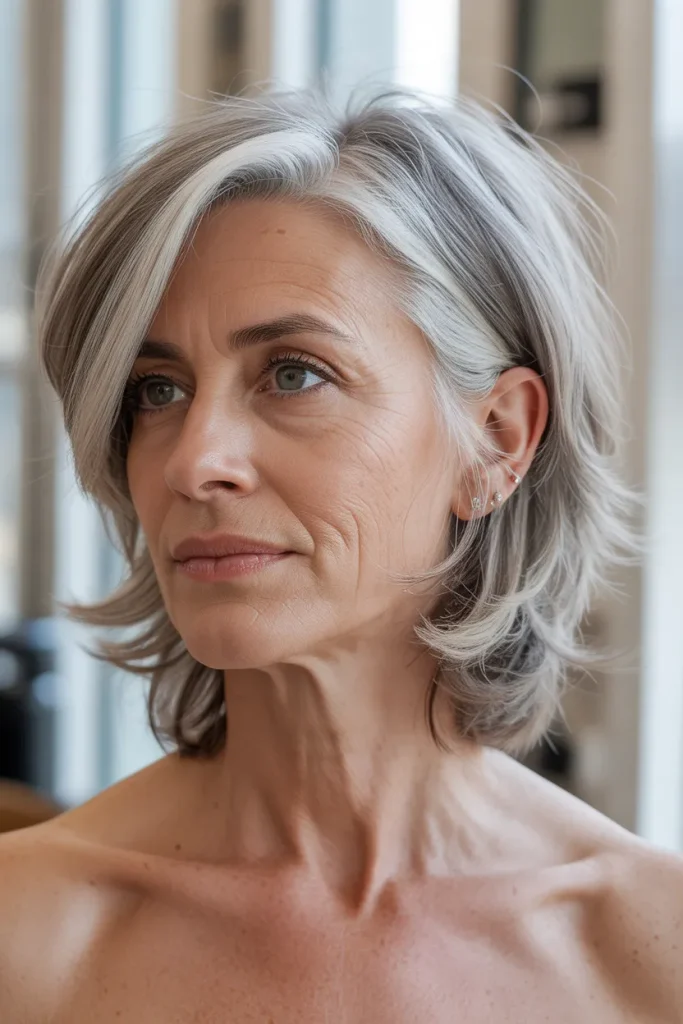
- Adds feather-light layers around the ears for delicate movement.
- Keeps the main length near the jaw for recognizable bob structure.
- Works especially well with fine or lightweight hair.
- Creates softness without adding excessive width to the sides.
- Natural silver strands can enhance the airy, dimensional finish.
- Needs only light brushing and minimal styling product.
- A lovely option for relaxed everyday elegance.
Sometimes the smallest layers make the biggest difference, especially when a bob feels too uniform around the ears. This version introduces wispy pieces that break up the outline and give the haircut a lighter, more relaxed character. The main length stays near the jaw, so the style still feels polished rather than shaggy. I’ve noticed that delicate layers can make fine hair appear more animated because individual strands catch the light instead of forming one solid shape. That subtle separation is especially beautiful with naturally silver hair. Wear it with a simple sweater for everyday errands, or smooth the front pieces for lunches, celebrations, and casual evening plans.
Styling this haircut is refreshingly simple. After washing, blot the hair gently with a towel and apply a small amount of lightweight leave-in conditioner to the ends. Let the hair air-dry if your natural texture already has movement, or use a low-heat dryer for a smoother finish. Once dry, separate a few earline strands with your fingertips rather than using a heavy wax or pomade. The goal is softness, not stiffness. If the ends begin to look dry, a tiny drop of hair oil can add shine without flattening the layers. Regular trims help keep the wispy pieces intentional while preventing them from becoming overly uneven.
Flipped Side Bob
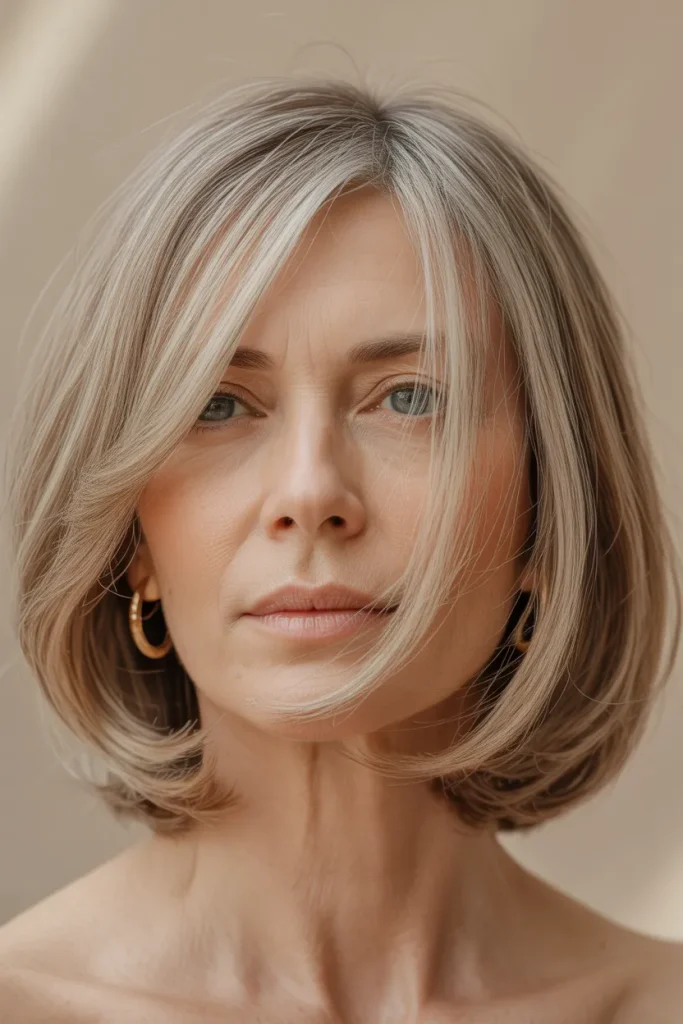
- Features softly turned side layers for noticeable directional movement.
- Keeps the opposite side cleaner for an asymmetric visual balance.
- Creates lift without depending on heavy root teasing.
- Looks striking with straight, fine, or lightly wavy hair.
- Highlights dimensional color through the sweeping layers.
- Can be created quickly with a round brush.
- Ideal for dinners, celebrations, and stylish daytime looks.
A single outward sweep can give a classic bob an entirely different personality. This design uses layered side sections that gently flip away from the face, creating movement without dramatically changing the overall length. The asymmetrical direction makes the haircut look lively while remaining sophisticated and wearable. In my experience, this kind of styling is particularly useful when you want volume but dislike the stiff appearance that can come from teasing. The flipped layers also reveal more of the hair’s natural dimension, making highlights, silver strands, or subtle color variations easier to see. It is a fun choice for dinners, gatherings, photographs, and special occasions.
For the best result, start with damp hair and create a comfortable side part. Use a medium round brush while blow-drying, lifting each side section slightly before directing the ends outward. Keep the brush moving so the heat does not concentrate on one area. Once the hair cools, loosen the flip with your fingers to make it look natural rather than overly curled. A light mist of flexible hairspray can help preserve the direction while allowing movement. If your hair is naturally wavy, you can achieve a softer version by enhancing the existing texture instead of using a brush. The finished style should feel airy, touchable, and effortless.
Layered Collar Bob
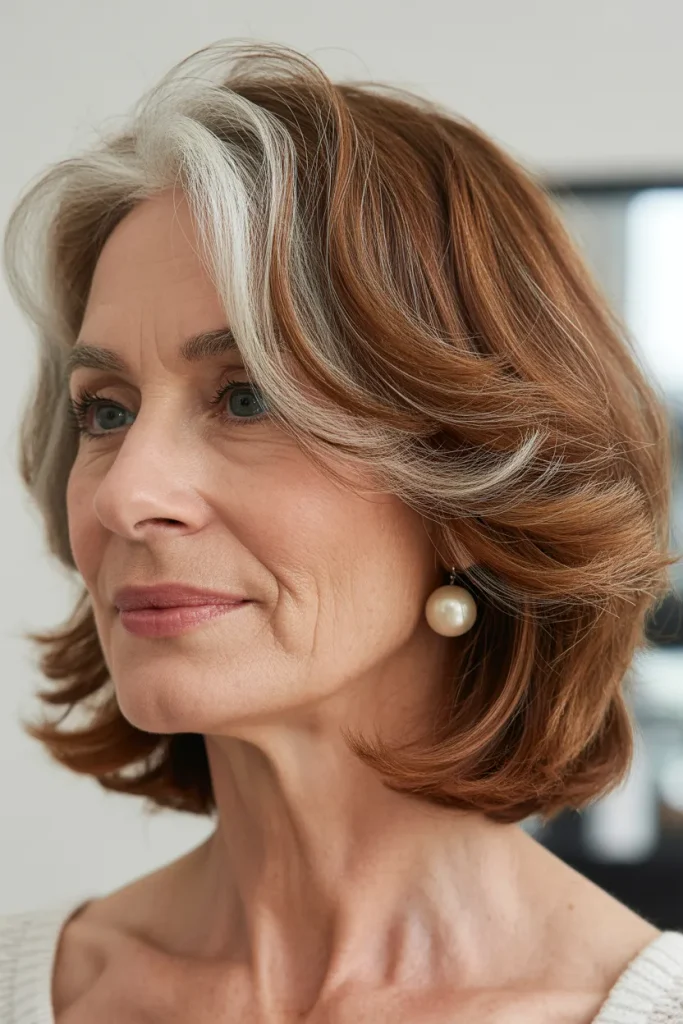
- Extends slightly below the jaw toward the upper neck.
- Uses internal layers to keep the longer shape from feeling heavy.
- Gives medium-density hair a graceful, flowing outline.
- Provides more styling flexibility than a very short bob.
- Looks beautiful tucked behind one ear or worn loose.
- Works with straight, wavy, or softly textured hair.
- A practical choice when you want elegance with extra length.
If you love the shape of a bob but want a little more length, this collar-grazing version offers a graceful middle ground. The added length gives the hair room to move across the upper neck while internal layers prevent it from becoming dense or flat. The result feels elegant without requiring elaborate styling. I’ve noticed that this length is particularly versatile for women who occasionally want to tuck their hair behind an ear or change their part without losing the haircut’s overall shape. It works beautifully for everyday outfits, work settings, family photographs, and evening occasions because the longer silhouette creates a slightly more sophisticated finish.
A smooth blow-dry will bring out the cleanest version of this haircut, but it does not need to be perfectly straight. For natural waves, apply a lightweight curl-enhancing cream and scrunch the ends while they dry. If you prefer a polished look, use a paddle brush and direct the airflow downward before gently curving the ends under. Avoid applying too much product near the roots, especially if your hair is fine. Stylists often recommend keeping internal layers subtle at this length so the haircut retains enough weight to fall beautifully. A regular trim also helps maintain the collar-grazing outline and keeps the ends looking healthy and purposeful.
Curved Fringe Bob
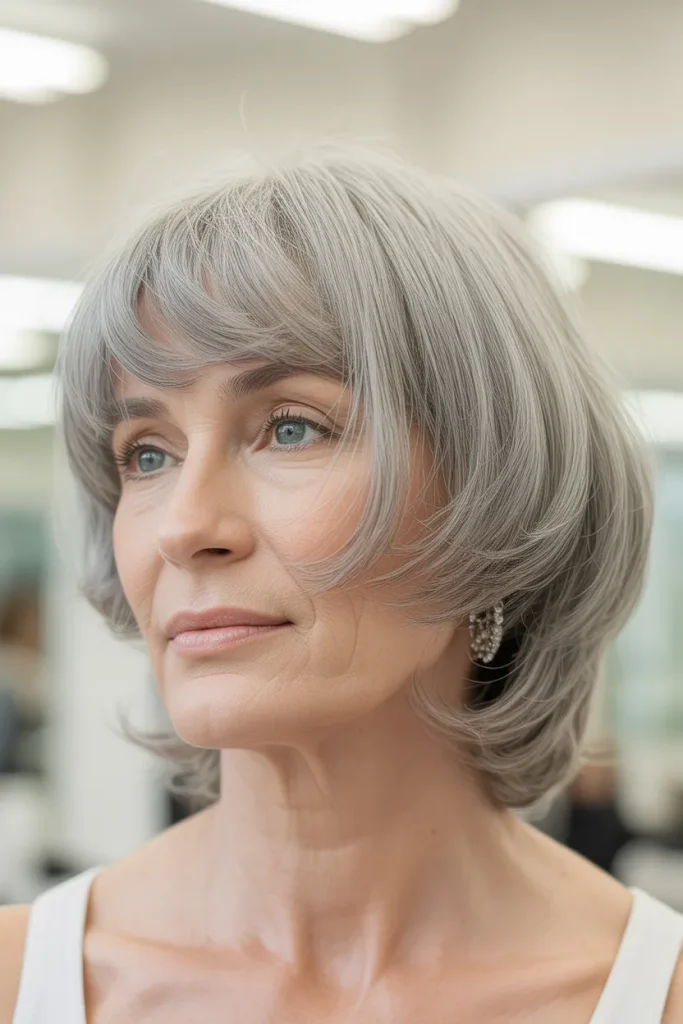
- Pairs softly curved front layers with a structured bob shape.
- Creates gentle movement across the forehead without a heavy fringe.
- Helps soften the transition between the face and haircut.
- Works beautifully with straight or lightly wavy textures.
- Keeps the sides controlled while the front adds visual interest.
- Easy to refresh with a quick round-brush blow-dry.
- Suitable for everyday wear, lunches, and polished gatherings.
The right front layer can make a bob feel softer, fresher, and much more personalized. This version uses a curved fringe that gently follows the forehead before blending into the side layers. It avoids the solid appearance of a traditional heavy bang while still giving the face a defined frame. I’ve noticed that lighter front pieces are often easier to manage because they can be swept aside when you want an open forehead. The shape is especially attractive when natural gray or silver tones are present because the curved layers catch light around the face. It works nicely for brunches, appointments, family events, and everyday styling.
Keeping the fringe light is the key to making this haircut practical. Blow-dry the front section first while it is still damp, using a small round brush to create a soft curve rather than a tight bend. Once dry, separate the ends gently with your fingers so they blend into the surrounding layers. If your hair tends to fall forward during the day, a tiny amount of flexible styling cream can help guide the pieces without making them greasy. Stylists often recommend trimming a fringe separately from the rest of the haircut because even a small amount of extra length can change how it sits. This keeps the face-framing detail fresh between full trims.
Rounded Back Bob
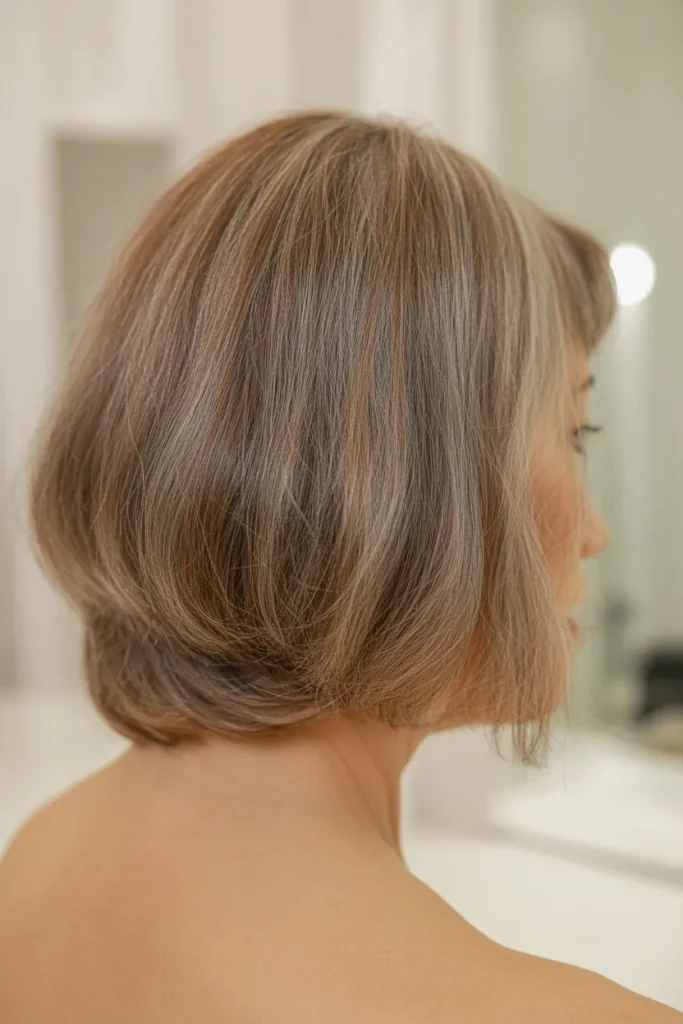
- Builds a softly rounded shape through the back layers.
- Creates gentle fullness without excessive height at the crown.
- Keeps the sides balanced and visually smooth.
- Particularly useful for fine or medium-density hair.
- Looks polished even with minimal styling.
- Works well with natural gray, blonde, brunette, or dimensional color.
- Gives the haircut a neat silhouette from every angle.
A beautifully shaped back can make a bob look fuller and more finished from every angle. This variation concentrates gentle layering through the back, creating a rounded silhouette without pushing the crown into an exaggerated shape. The sides remain comparatively smooth, giving the haircut a balanced appearance that feels modern and refined. In my experience, controlled layering at the back can be especially helpful when fine hair tends to look flat after air-drying. Rather than adding lots of product, the haircut itself provides some of the visual structure. It is an excellent option for everyday routines, professional settings, weekend outings, and occasions where photographs from behind may matter.
For a simple salon-inspired finish, apply a lightweight volumizing product near the roots and blow-dry the back sections with a round brush. Lift each section slightly before allowing it to cool against the brush. Do not over-tease the hair because the rounded layering should create a natural curve rather than obvious height. If you prefer an easier routine, let the hair air-dry and use a small amount of texturizing cream only on the ends. Regular trims are useful because the back layers determine much of the haircut’s silhouette. Keeping those sections balanced helps the bob maintain its rounded shape as it grows.
Textured Cheek Bob
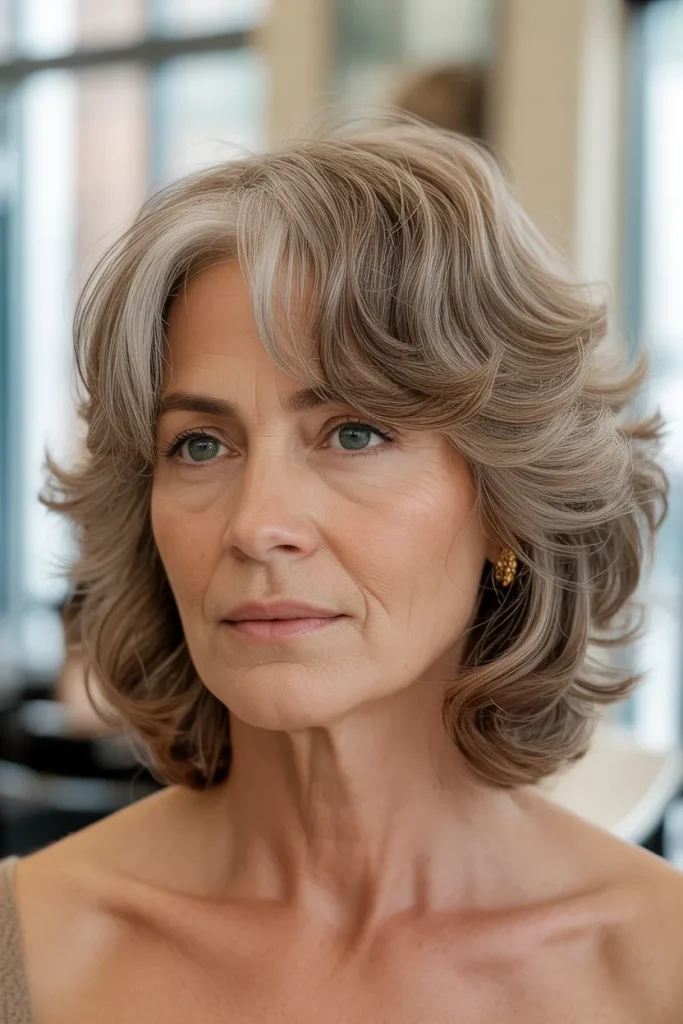
- Adds carefully placed texture beside the cheek area.
- Creates separation without making the haircut look choppy.
- Helps soften a traditional jaw-length bob.
- Works especially well with fine-to-medium hair.
- Enhances natural waves and subtle bends.
- Gives straight hair a more relaxed, contemporary finish.
- Easy to dress up or down for different occasions.
Texture around the cheeks can turn a conventional bob into something much more relaxed and contemporary. Instead of adding layers everywhere, this design places subtle separation through selected side pieces, allowing them to move independently around the face. That creates softness without sacrificing the haircut’s overall shape. I’ve seen this work particularly well for hair that looks too flat when cut into one continuous line. The textured sections give the eye more detail while keeping the style easy to understand and maintain. It is versatile enough for casual weekends but can look surprisingly elegant with simple makeup and earrings for dinners, celebrations, or photographs.
The easiest way to style this version is to work with your natural texture instead of fighting it. Apply a lightweight curl cream to damp hair, scrunch gently, and allow the hair to dry naturally or use a diffuser on low heat. For straight hair, create the texture with a round brush or large-barrel styling tool, focusing only on a few side pieces rather than the entire head. Finish by separating the ends with your fingertips. Avoid heavy wax because it can make delicate layers look greasy or clumped together. A small amount of flexible spray is usually enough to keep the cheek-framing pieces in place while preserving their natural movement.
Swooped Layer Bob
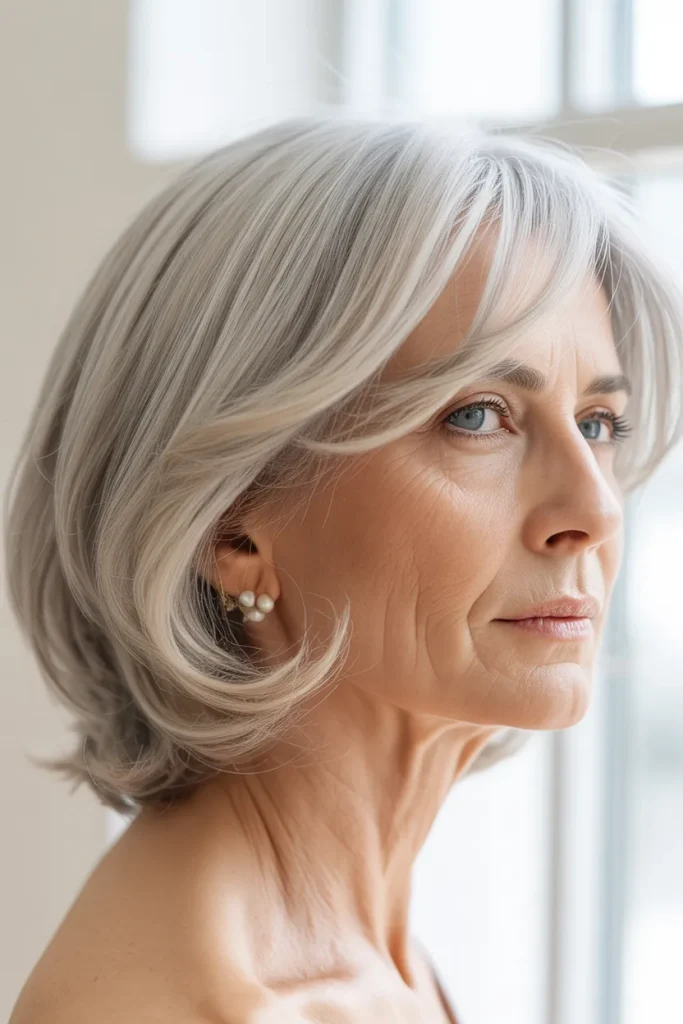
- Creates a graceful sweeping direction through the front layers.
- Adds movement without relying on tight curls or strong waves.
- Helps fine hair look more dynamic and dimensional.
- Works beautifully with a natural side part.
- Keeps the overall bob shape refined and easy to recognize.
- Can be styled smoothly or with relaxed texture.
- A versatile option for both casual and dressed-up occasions.
A sweeping front layer can give a simple bob an elegant sense of direction and movement. This design lets one longer section flow naturally across the forehead and blend into the side, creating a soft visual line around the face. The rest of the haircut stays controlled, so the finished shape never feels overly dramatic. I’ve noticed that a strong side direction can also make fine hair appear more substantial because overlapping layers create additional visual depth. The style is especially useful when you want a polished appearance without spending time creating curls. It fits office mornings, lunches, family gatherings, and evening occasions equally well.
Start styling with a defined side part while the hair is damp. Apply a lightweight smoothing lotion through the lengths, then use a round brush to guide the front section across the face and slightly backward. Allow the hair to cool before loosening the sweep with your fingers. If you want a softer result, leave a few individual strands around the temple rather than brushing everything into one perfect line. A flexible hairspray can help maintain the direction without making the hair feel stiff. Regular trimming is helpful because the longer front section needs enough length to create the signature sweep while still blending naturally into the surrounding layers.
Lifted Sidecut Bob
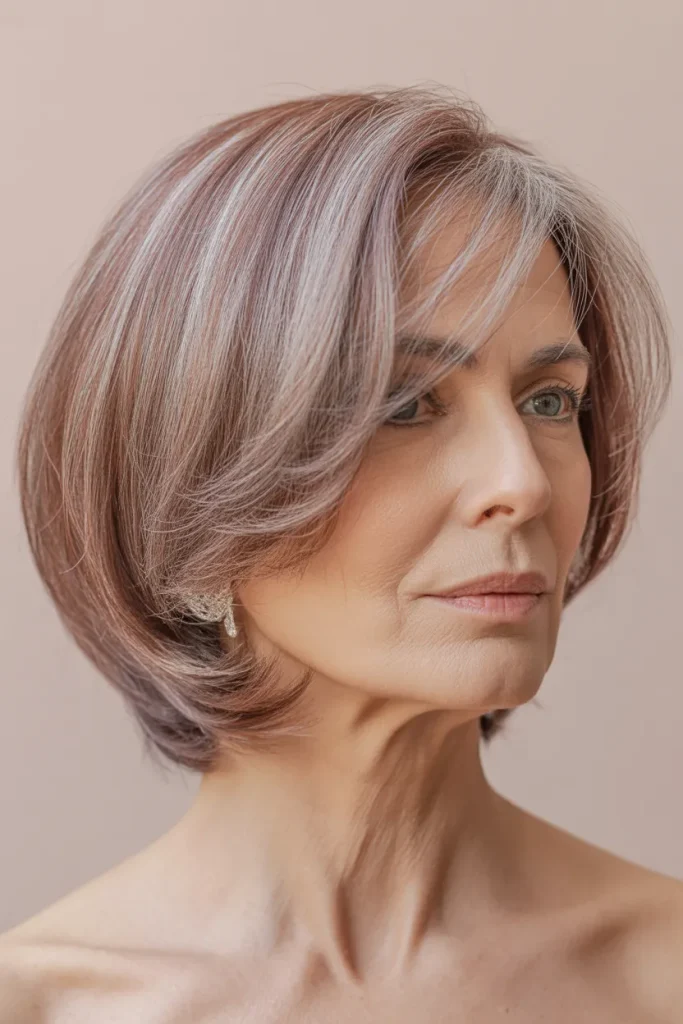
- Uses subtle layering to create lift on one side of the crown.
- Maintains a balanced bob length around the jaw.
- Adds asymmetrical movement without requiring an extreme cut.
- Works especially well with straight or fine hair.
- Creates visual height without excessive teasing.
- Lets you change the look simply by switching the part.
- Ideal when you want a modern detail within a classic shape.
Changing the direction of the part can completely refresh the appearance of a layered bob, and this version makes that shift part of the haircut itself. One side receives slightly more lift through the crown, while the rest of the shape stays balanced around the jaw. The result has a subtle asymmetrical quality without looking like an extreme or difficult haircut. In my experience, this technique is useful when fine hair tends to fall flat because changing the direction encourages the roots to sit away from the scalp. It is a smart choice for women who want something contemporary while still feeling comfortable with a familiar bob length.
To style it, create the part while the hair is damp and lift the fuller side with a round brush as you blow-dry. Concentrate the airflow at the roots first, then smooth the lengths afterward. Avoid loading the crown with heavy creams or oils because they can quickly remove the lift. Once dry, gently loosen the roots with your fingertips for a softer finish. If you change the part occasionally, the haircut can look noticeably different without another salon visit. A light finishing mist is enough to hold the shape. This makes the style practical for busy mornings while still giving you a polished silhouette for dinners and social events.
Soft Angled Bob
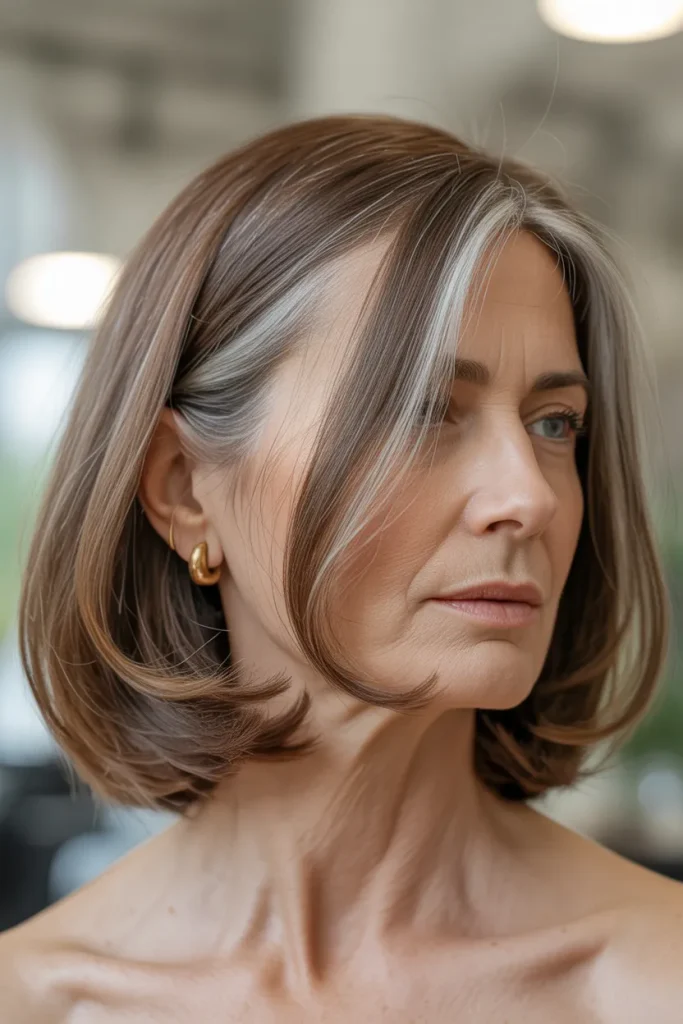
- Uses a gentle forward angle for natural face-framing.
- Keeps the back slightly shorter without dramatic graduation.
- Creates movement through carefully blended layers.
- Gives straight hair a sleek but approachable appearance.
- Helps medium-density hair avoid looking overly heavy.
- Looks polished with minimal heat styling.
- Transitions easily from everyday outfits to formal occasions.
A gentle forward angle gives this bob a graceful sense of movement while keeping the overall haircut remarkably easy to wear. The back sits slightly shorter, allowing the front sections to extend naturally toward the chin and frame the lower face. Unlike a sharply graduated cut, the layers are blended so the transition feels soft and seamless. This makes the shape especially appealing when you want definition without a severe edge. Stylists often recommend this type of controlled angle for women who prefer a polished haircut that does not require constant styling. It works beautifully for professional settings, dinners, celebrations, and everyday errands.
For a smooth finish, apply a small amount of heat-protective styling cream to damp hair before blow-drying. Use a paddle brush through the back and switch to a round brush around the front to encourage the ends to curve gently inward. If your hair naturally has some wave, you can leave the texture visible rather than straightening everything. The layered angle will still provide direction. Try not to overwork the ends with a flat iron, as excessive heat can make them look dry and reduce their natural movement. A consistent trim schedule keeps the angle balanced and prevents the longer front sections from becoming disconnected from the back.
Conclusion
The right bob can make your hair feel lighter, more manageable, and beautifully refreshed. These layered bob hairstyles for women over 60 show how thoughtful layers can create movement, softness, shape, and a modern finish without demanding complicated styling routines. Whether you prefer an airy crown, a graceful angle, textured sides, or a softly sculpted silhouette, there is plenty of inspiration to explore. I’ve seen how the right haircut can transform not only someone’s appearance but also the confidence they carry into everyday life. Save this article to your Pinterest boards so you can revisit your favorite looks before your next salon appointment. Try one style that catches your eye, and share these ideas with someone who could use fresh hairstyle inspiration too!